The Hidden Health Effects of Sitting Too Much (And What to Do About It)
Even if you work out, hours of sitting still damage your circulation, metabolism and posture. Here's what the science says — and a practical mobility routine to reverse it.
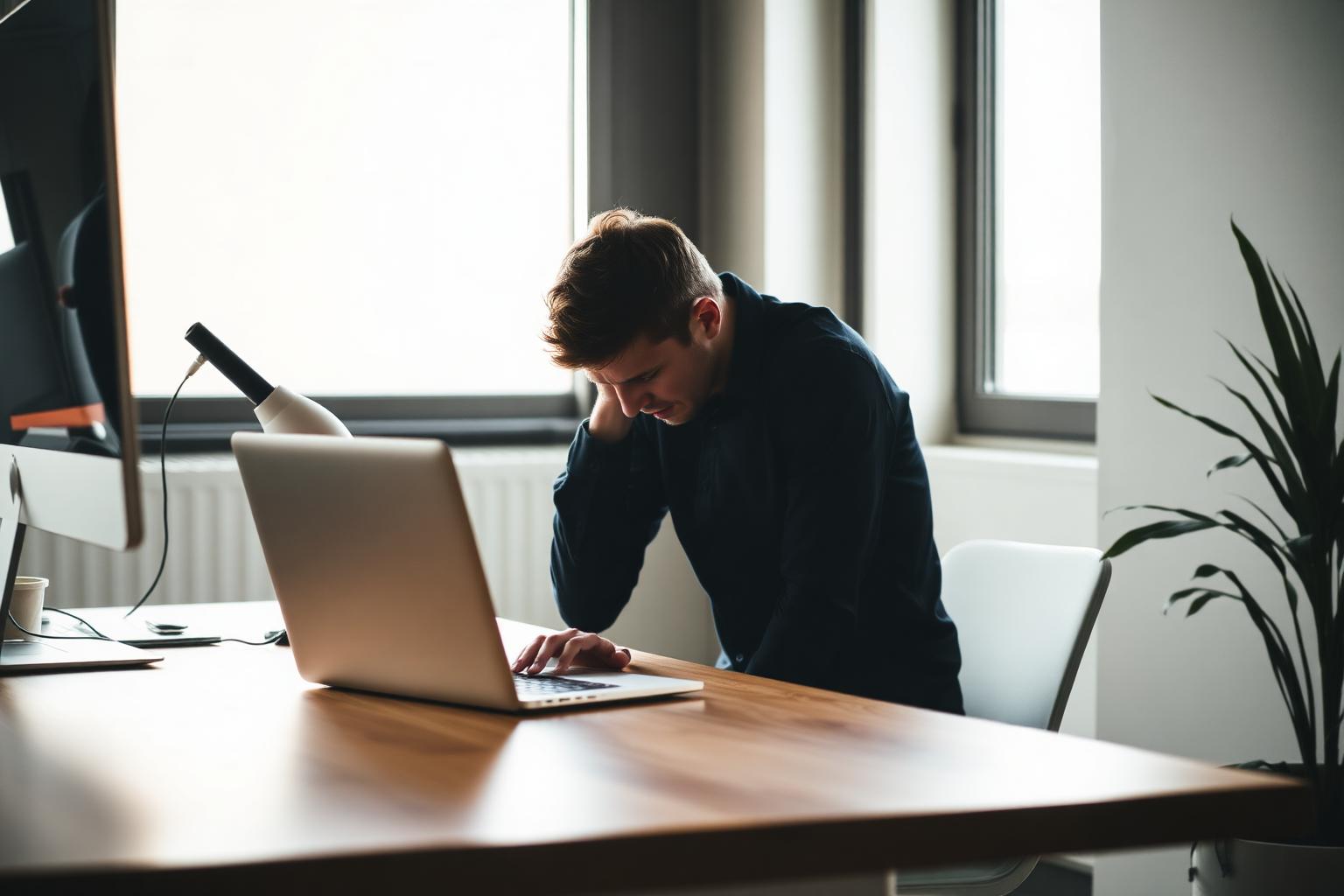
Think about your average day. You wake up, sit at the breakfast table, sit in your car or on public transport, sit at your desk for eight hours, sit through lunch, commute home sitting down again, and then sink into the couch for the evening. Most people know exercise is important — but what most don't know is that even if you work out every morning, the hours you spend sitting throughout the rest of the day are doing real, measurable damage. Scientists call it 'sitting is the new smoking', and while that comparison is dramatic, the research behind it is not. This guide breaks down exactly what happens inside your body when you sit too much, why office workers are especially at risk, and what you can do about it starting today — no gym membership required.
What 'Sitting Too Much' Actually Means
A sedentary lifestyle is one where you spend long periods sitting or lying down with minimal physical activity throughout the day. Research suggests that as few as four to six cumulative hours of sitting per day begins to put your health at risk — and the average desk worker sits for eight to ten hours daily.
Here's the part that surprises most people: at ten or more hours of daily sedentary behaviour, research shows an increased risk for cardiovascular disease — and that is true even if you work out and meet recommended physical activity guidelines. In other words, your evening jog does not cancel out eight hours at a desk. They are two separate health behaviours, and both matter independently.
Your Blood Circulation Starts to Suffer
When you sit still for extended periods, blood flow — particularly in your legs — slows significantly. A fixed working position squeezes the blood vessels in working muscles, reducing the supply just when they need it most. Blood begins to pool in your lower legs and feet instead of circulating back to the heart efficiently.
This slower flow can cause blood to pool in the veins of your legs, increasing the risk of clot formation, particularly deep vein thrombosis (DVT). While the immediate effects are usually reversible, chronic prolonged sitting over many years can contribute to arterial stiffness and endothelial dysfunction.
Day-to-day warning signs: legs that feel heavy or achy by midday, ankles that swell toward the end of the workday, hands and feet that are frequently cold, visible varicose veins developing over time, and feeling mentally foggy in the afternoon — poor blood flow affects the brain too.
It Wrecks Your Posture — More Than You Realise
Slouching at a desk feels comfortable in the short term. Over months and years, it silently reshapes the way your entire body holds itself. Poor posture and limited movement strain the neck, shoulders and lower back, explaining the aches and pains so common among office workers.
When you hunch forward toward a screen, several damaging things happen at once: hip flexors shorten and tighten, glutes 'switch off' (a phenomenon called gluteal amnesia), core muscles stop firing properly, and your neck juts forward — adding up to 60 pounds of effective load to your cervical spine for every inch of forward head tilt.
Over time this creates a predictable set of problems: rounded shoulders, forward head posture, tight hip flexors, a weak core and chronic lower back pain. The relationship between sitting time and mortality is non-linear; each additional hour of sedentary behaviour can increase death risk by approximately 3–5%.
Your Metabolism Slows Down Noticeably
When you're inactive, your body burns fewer calories throughout the day. But it goes deeper than calories: skeletal muscle activity drops, making it harder for the body to absorb glucose from the blood. Over time this contributes to insulin resistance — a major pathway to type 2 diabetes.
Uninterrupted sitting also lowers production of lipoprotein lipase (an enzyme critical for fat breakdown), reduces HDL ('good') cholesterol, and impairs blood sugar regulation. The resulting insulin resistance promotes inflammation, a key player in the buildup of fatty plaque inside arteries.
What makes this especially frustrating is that metabolic slowdown is subtle. You don't feel it happening — you just notice you're gaining weight despite not eating more, feeling sluggish, and struggling to lose weight even when you try.
Sedentary Lifestyle Risks Go Beyond the Physical
A 2025 study in Alzheimer's & Dementia reported that a sedentary lifestyle in aging adults was an independent risk factor for Alzheimer's — even in participants who met recommended exercise guidelines. Studies also link sedentary behaviour to an increased risk of depression and anxiety.
The mechanism is straightforward: physical movement stimulates BDNF (brain-derived neurotrophic factor), the protein that supports learning, memory and mood. When you sit still all day, BDNF production drops, dopamine and serotonin activity decreases, and energy sinks — which is why the 3 PM slump hits desk workers so reliably.
Why Office Workers Are at Especially High Risk
If you work a standard desk job, the math is not in your favour. A typical office worker sits during their commute, sits for eight-plus hours at their workstation, takes seated lunch breaks and then goes home to sit on the couch — twelve or more sedentary hours by bedtime.
Open-plan offices have actually reduced incidental movement in many cases, and remote workers are even more sedentary on average — no commute walk, no colleague's desk to walk to, no stairs between meetings. Research from the Minneapolis Take-a-Stand Project showed up to 66 minutes of reduced sitting time per day when simple workplace interventions were introduced.
The Power of Walking Breaks: Small Moves, Big Results
Here's the good news — you do not need to overhaul your life to reverse most of these effects. Walking breaks as short as 1–2 minutes every 30 minutes have been shown to preserve endothelial function and improve blood pressure control. Five minutes of moderate walking every 40–50 minutes of sitting can meaningfully protect cardiovascular and metabolic health.
The key insight from the science is this: it is not just about the total amount of exercise you get — it is about how often you interrupt sitting. Frequent, brief movement breaks are more protective than one long workout sandwiched between hours of stillness.
Easy walking break strategies
Set a recurring 30–45 minute timer. Walk to a colleague instead of messaging. Take calls standing or walking. Use the bathroom on a different floor. Walk the block during lunch. Park further away or get off transport one stop early.
Your Daily Mobility Improvement Routine
Beyond walking breaks, a short daily mobility routine can reverse postural damage and restore movement quality. The following takes about 10–15 minutes and can be done at home or at the office.
Morning (5–7 min): Cat-Cow stretch for 1 minute to wake the spine; Hip Flexor Stretch for 1 minute each side to counteract sitting; Thoracic Rotation 10 reps each side to restore upper-back mobility.
Desk breaks (2–3 min every hour): Standing Calf Raises (15–20 reps) to activate the calf muscle pump; Seated Ankle Circles (10 each direction); Neck Rolls and Shoulder Shrugs for 1 minute; Doorway Chest Stretch for 1 minute to open rounded shoulders.
Evening reset (5 min): Figure-Four Glute Stretch 1 minute each side; Child's Pose for 2 minutes to decompress the lower back; Legs Up the Wall for 3 minutes to drain pooled blood from the legs and calm the nervous system.
Quick Do's and Don'ts for Office Workers
Do: set a movement reminder every 30–45 minutes; stand or walk during calls; adjust your chair so feet are flat; position the monitor at eye level; drink enough water (it forces more toilet breaks); do the 10-minute mobility routine daily; walk at least 10 continuous minutes at lunch; try a standing desk for alternating postures.
Don't: sit more than 45–60 minutes without a break; rely on an evening workout to 'cancel out' a sitting day; cross your legs or tuck a foot under you; hunch toward the screen; skip movement breaks on busy days; stand all day (prolonged standing has its own problems); ignore persistent leg swelling, pain or numbness — these can signal DVT.
When to See a Doctor
Most effects of sitting too much are gradual and reversible. However, some symptoms warrant a doctor visit sooner rather than later: one leg significantly more swollen than the other (possible DVT); leg pain that worsens when you walk (possible vascular issue); persistent numbness or weakness in the legs or feet; sharp or radiating back pain that shoots down one leg (possible sciatica); chest tightness or shortness of breath after prolonged sitting. Do not self-diagnose — see a healthcare professional promptly.
Key Takeaways
- Four to six hours of cumulative sitting daily already raises health risk; ten or more is independently risky even if you exercise.
- Prolonged sitting slows circulation, weakens posture, reduces insulin sensitivity, and lowers BDNF — affecting brain and mood too.
- Each extra sedentary hour beyond 7/day can raise all-cause mortality by roughly 5%.
- Frequency of movement breaks matters more than one long workout — 1–2 minutes every 30 minutes preserves vascular health.
- A daily 10–15 minute mobility routine reverses most postural and circulatory damage from desk work.
Frequently Asked Questions
Can exercise cancel out sitting all day?
No. Research shows that even meeting exercise guidelines does not fully offset the cardiovascular and metabolic risks of 10+ hours of daily sitting. Both behaviours matter independently.
How often should I take a break from sitting?
Aim for a 1–2 minute movement break every 30 minutes, plus a longer 5-minute walk every 45–60 minutes. Frequency matters more than duration.
Is a standing desk the solution?
Standing desks help when alternated with sitting, but standing all day has its own circulation problems. The goal is varied posture and frequent movement — not staying still in any one position.
Can sitting really cause brain fog?
Yes. Reduced circulation and lower BDNF production from prolonged inactivity both impair concentration, alertness and mood — which is why desk workers often feel sluggish in the afternoon.
What are the warning signs of DVT from sitting?
Significant swelling in one leg, calf pain or tenderness, warmth and redness in the area. These symptoms need urgent medical evaluation.
Conclusion
The human body was not designed for chairs. The good news is that the damage from sitting too much is largely reversible. You do not need to quit your job or buy expensive equipment — you simply need to move more often, in small doses distributed throughout your day. Set a timer. Stand up. Walk to the window. Do five calf raises. Stretch your hip flexors for sixty seconds. Done consistently, those tiny interruptions reduce your risk of heart disease, protect your metabolism, sharpen your thinking and genuinely extend your life. Your chair is not your enemy — but staying in it without a break certainly is. Always consult a qualified healthcare professional for persistent symptoms or before making major changes to your health routine.
Sources & Further Reading
- NIH PMC — Too Much Sitting: The Population-Health Science of Sedentary Behavior (Owen et al., 2010)
- NIH/PubMed — Sedentary Time and Its Association with Risk for Disease (Biswas et al., 2015)
- NIH PMC — Sedentarism and Chronic Health Problems
- MedlinePlus — Health Risks of an Inactive Lifestyle
- Cleveland Clinic — Health Risks of a Sedentary Lifestyle
- UPMC HealthBeat — How Does a Sedentary Lifestyle Affect Your Health?
- CCOHS — Working in a Sitting Position: Overview
- WorkSafe PT — The Importance of Movement Breaks for Desk Workers
- WHO — Physical Activity Fact Sheet
- Mayo Clinic — Sitting Risks: How Harmful Is Too Much Sitting?
You may also like

10 Science-Backed Benefits of Drinking Water Daily
Hydration is the most underrated wellness habit. Here are 10 research-backed reasons to drink your water every day.

15 Healthy Lifestyle Changes That Actually Work (Long-Term)
Fifteen small lifestyle shifts that quietly compound into a healthier, longer life — without overhauling your week.

Designing Your Environment for Healthy Habits
Willpower is overrated. Your environment is doing most of the work. A practical guide to designing your home and routine so healthy choices become the easy ones.