10 Science-Backed Benefits of Drinking Water Daily
Hydration is the most underrated wellness habit. Here are 10 research-backed reasons to drink your water every day.

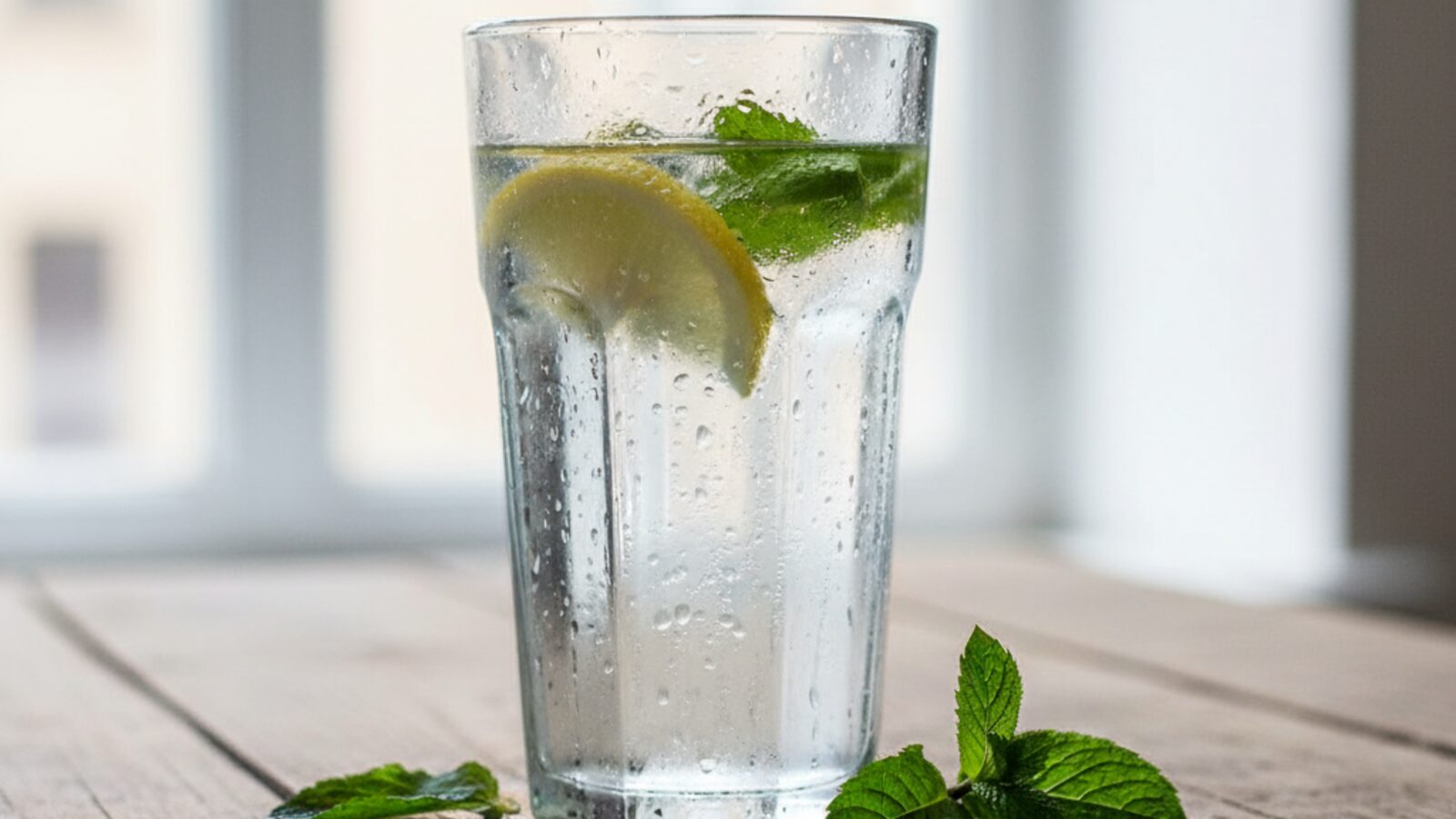
Most adults walk around mildly dehydrated and call it tiredness. Water is involved in every single biological process you care about — energy production, digestion, mood, skin, even fat loss. Here is what research actually shows.
1. Better Energy and Focus
A 2019 study in Nutrients found a 1.5% drop in hydration impaired mood, concentration, and short-term memory in healthy adults.
2. Easier Weight Management
500ml of water before meals reduced calorie intake by an average of 13% in older adults in a University of Birmingham study.
3. Healthier Skin
Hydration supports skin elasticity and barrier function. It is not a substitute for sunscreen, but dehydrated skin lines and dulls faster.
4. Fewer Headaches
Dehydration is a documented headache trigger. Drinking water at the first sign of a tension headache resolves it for many people within an hour.
5. Better Digestion
Water keeps stool soft and intestinal contents moving. Combined with fibre, it is the simplest fix for occasional constipation.
6. Improved Exercise Performance
Even 2% dehydration measurably reduces strength and endurance. Drink 500ml two hours before training and small sips throughout.
7. Kidney Support
Adequate water reduces kidney stone recurrence by roughly 50% according to Mayo Clinic data.
8. Joint Lubrication
Cartilage is around 80% water. Chronic dehydration accelerates joint stiffness, especially in active adults over 40.
9. Body Temperature Regulation
Sweat is the body's air conditioning. Hydration determines how efficiently it works in hot weather and intense workouts.
10. Mood and Sleep Quality
Mild dehydration is linked to higher reported anxiety and lower sleep quality. The fix is free.
The Molecular Importance of Systematic Hydration
While the primary benefits of hydration are often linked to muscle and skin, the biological reality is that water provides the very medium for every chemical reaction in the human body. At a molecular level, water acts as a solvent, transporting nutrients and oxygen to cells while simultaneously removing metabolic waste products like carbon dioxide and nitrogen. When you drink water daily, you are essentially facilitating'cellular logistics.' Without sufficient fluid, these processes slow down, leading to cellular stress and the accumulation of toxins that can impair long-term organ health. According to the National Institutes of Health (NIH), fluid balance is critical for protecting sensitive tissues, such as the spinal cord and the brain, which are composed of high percentages of water.
Furthermore, water is an essential component of blood plasma, which is approximately 90% water. This plasma is responsible for carrying hormones, antibodies, and glucose to the areas where they are needed most. If systemic hydration levels drop even by 1-2%, the blood becomes more viscous. This increased viscosity forces the heart to work harder to pump blood through the circulatory system, leading to increased cardiovascular strain. By maintaining optimal hydration, you ensure that your circulatory system remains efficient, reducing the baseline workload on your heart and ensuring that every extremity of the body receives the oxygenation it needs for repair and growth.
Osmotic Balance and Cellular Integrity
It is a common misconception that all liquids hydrate equally. While the body can extract water from coffee, sodas, and juices, the osmotic pressure required to process high-solute liquids can actually be taxing on the kidneys. Pure water requires no metabolic energy to process, making it the most efficient way to maintain the body's delicate electrolyte-salt balance. When we consume excess salt or sugar without adequate water, the body pulls water out of the cells to dilute those solutes, leading to cellular dehydration despite a full stomach.
Boosting Immune System Function Through Fluid Intake
The relationship between hydration and the immune system is frequently overlooked in mainstream wellness discussions. The lymphatic system, which is a major part of the immune response, relies heavily on water to function. Lymph is a fluid that circulates throughout the body, picking up bacteria, viruses, and waste products to be filtered by the lymph nodes. Since lymph is composed of nearly 95% water, chronic dehydration can lead to a sluggish lymphatic system. This stagnation prevents the body from effectively identifying and neutralizing pathogens, potentially making you more susceptible to seasonal illnesses.
In addition to lymphatic support, water is vital for maintaining the integrity of mucosal barriers. The mucous membranes in your nose, throat, and digestive tract act as the first line of defense against airborne and foodborne pathogens. These membranes must remain moist to trap contaminants and move them toward disposal. When you are dehydrated, these barriers can dry out and crack, providing an entry point for viruses and bacteria. Research published through the Mayo Clinic suggests that staying hydrated helps keep these protective barriers robust, ensuring that your innate immune defenses are working at peak capacity year-round.
Establishing Your Personal Hydration Baseline
One of the most persistent questions in nutrition is exactly how much water a person needs. The '8x8 rule' (eight glasses of 8 ounces) is a popular benchmark, but it is not a scientific absolute. According to the National Academies of Sciences, Engineering, and Medicine, the adequate intake for men is approximately 15.5 cups (3.7 liters) and for women, about 11.5 cups (2.7 liters) of total fluids per day. However, these figures include water obtained from food and other beverages. About 20% of daily fluid intake usually comes from moisture-rich foods like cucumbers, watermelon, and leafy greens.
Personal requirements vary significantly based on four key factors: activity level, environment, age, and health status. Athletes or individuals working in manual labor lose significant amounts of water through sweat and respiratory evaporation, requiring much more than the average sedentary adult. Similarly, those living in hot or humid climates, or at high altitudes where the air is dry, must increase their intake to compensate for higher rates of evaporation. Pregnant and breastfeeding women also require additional fluids to support the increased blood volume and milk production. Assessing your needs should be a dynamic process rather than a static goal.
The Urine Color Metric
The most reliable way to monitor your hydration status is by observing the color of your urine. Ideally, it should be a pale straw color. If it is dark yellow or amber, it indicates that your kidneys are concentrating urine to conserve water, a clear sign of dehydration. Conversely, if your urine is consistently clear, you may be over-hydrating, which can flush out essential electrolytes. Monitoring this daily provides an immediate feedback loop for your hydration habits.
Sustainability Strategies for Consistent Daily Intake
Many people struggle with consistent hydration because they view it as a chore rather than a habit. To make it sustainable, you must integrate water consumption into your existing routines. A highly effective method is 'habit stacking,' where you pair drinking a glass of water with an activity you already do. For example, drink a full glass of water immediately after waking up, before every meal, and every time you brew a cup of coffee. This ensures that you aren't trying to 'catch up' on your water intake in the evening, which can disrupt sleep with frequent bathroom trips.
Another sustainability strategy is to improve the accessibility and palatability of water. If you find plain water unappealing, infusion with natural ingredients like lemon, mint, or cucumber can provide flavor without the inflammatory effects of sugar or artificial sweeteners. Carrying a reusable, high-quality water bottle serves as a visual cue to drink throughout the day. Set small, achievable milestones, such as finishing one bottle by noon and another by 5:00 PM. By breaking the daily goal into smaller segments, the task becomes less overwhelming and more likely to stick as a permanent lifestyle change.
Common Pitfalls: When Too Much Water is Dangerous
While dehydration is a well-known risk, 'over-hydration' or water intoxication (hyponatremia) is a serious condition that can occur when one drinks too much water in a short period. This causes the sodium levels in the blood to drop dangerously low, leading to cellular swelling. Symptoms include confusion, nausea, and in extreme cases, seizures or coma. This is most common in endurance athletes who drink large amounts of plain water without replacing the electrolytes lost through sweat. It is crucial to pace your water intake rather than 'chugging' several liters at once.
Medical conditions such as congestive heart failure and some types of kidney disease may require restricted fluid intake. In these cases, the heart or kidneys cannot process normal amounts of fluid, leading to edema (swelling) and increased blood pressure. If you have a diagnosed chronic illness, always consult with your physician before significantly increasing your daily water target. Furthermore, certain medications, such as diuretics or some antidepressants, can alter your body's fluid balance, making professional medical guidance essential for a safe hydration plan.
The Balancing Act: Water vs. Electrolytes
Electrolytes—specifically sodium, potassium, and magnesium—are the partners of water in the body. They regulate how much water enters and leaves the cells. If you drink massive amounts of water without maintaining electrolyte balance, you risk 'diluting' your system. For most people, a balanced diet provides enough minerals, but during intense exercise or illness involving vomiting, an electrolyte solution is more beneficial than plain water alone.
Recognizing the Red Flags of Dehydration
The symptoms of dehydration are often subtle and can be easily mistaken for other issues. Mild dehydration frequently manifests as a dry mouth or a 'foggy' brain, but as it progresses, you may experience decreased skin elasticity—a phenomenon known as 'poor skin turgor.' If you pinch the skin on the back of your hand and it takes several seconds to return to normal, you are likely dehydrated. Other physical signs include a lack of sweat during physical activity, sunken eyes, and a rapid heartbeat. These are the body's emergency signals that blood volume has dropped and it is struggling to maintain vascular pressure.
Cognitive and emotional symptoms are equally prevalent. Studies have shown that even 1% dehydration can lead to increased irritability and a lack of concentration. In children and the elderly, dehydration can cause sudden confusion or lethargy that mimics cognitive decline. It is important to see a doctor if you experience persistent thirst that isn't quenched by drinking, or if you show signs of severe dehydration such as dizziness, fainting, or an inability to produce urine for more than eight hours. Frequent, extreme thirst can also be a precursor to underlying conditions like diabetes.
The Environmental and Purity Aspect of Your Water Source
The environmental impact of our hydration habits is a growing concern. While staying hydrated is essential for health, the reliance on single-use plastic water bottles has created a significant ecological crisis. Microplastics—tiny plastic particles—have been found in both bottled water and tap water sources worldwide. Research is still emerging on the long-term health effects of ingesting these particles, but preliminary studies suggest they may interfere with the endocrine system. To optimize both personal and planetary health, investing in a high-quality water filter and a stainless steel or glass reusable bottle is the gold standard.
Furthermore, the choice of water source matters. While tap water in many developed nations is highly regulated and generally safe, older plumbing systems can leach lead or copper into the supply. Using a certified filter can remove these contaminants while retaining beneficial minerals found in hard water, like calcium and magnesium. By choosing a sustainable filtration method over bottled water, you reduce your exposure to BPA and other plastic-associated chemicals while ensuring that your daily habit contributes to a healthier environment. This holistic approach ensures that your hydration strategy is safe for your body and the world at large.
Long-Term Longevity and the Aging Body
Maintaining a daily hydration habit is not just about short-term energy; it is a fundamental pillar of long-term longevity. Proper fluid levels support the kidneys in their lifelong task of filtering blood, potentially delaying the onset of chronic kidney disease. It also preserves the health of your joints' cartilage, which is roughly 80% water. As we age, our bodies naturally lose some of their water content and our thirst mechanism becomes less sensitive. By establishing a rigorous hydration habit in younger years, you protect your mobility and organ function well into your senior years.
Moreover, hydration plays a role in metabolic health over the decades. Consistent water intake has been linked to better glucose metabolism and a reduced risk of developing type 2 diabetes. While water isn't a 'cure-all,' it provides the structural foundation upon which all other healthy habits—such as a good diet and regular exercise—are built. Think of water as the lubrication for the machinery of your life; when the machinery is well-oiled, it lasts longer and performs better. Committing to a lifetime of adequate hydration is one of the simplest, most cost-effective investments you can make in your future health.
Key Takeaways
- Aim for 30–35ml of water per kg of bodyweight per day, adjusted for activity and climate.
- Pale yellow urine is the simplest hydration check.
- Caffeine and salty meals raise your needs — match them with water.
Frequently Asked Questions
Is 8 glasses a day correct?
It's a rough average. Bodyweight, climate, and activity level matter more than a flat number.
Can you drink too much water?
Yes, very rarely — endurance athletes risk hyponatremia. Most people are well under that line.
Conclusion
Carry a bottle, refill it twice before lunch, and you have already won the hardest health habit of the day.
Sources & Further Reading
More on Healthy Lifestyle
- → Designing Your Environment for Healthy Habits
- → Sleep Hygiene Mastery: The Ultimate Guide to Restorative Sleep
- → 15 Healthy Lifestyle Changes That Actually Work (Long-Term)
You may also like

15 Healthy Lifestyle Changes That Actually Work (Long-Term)
Fifteen small lifestyle shifts that quietly compound into a healthier, longer life — without overhauling your week.
Designing Your Environment for Healthy Habits
Willpower is overrated. Your environment is doing most of the work. A practical guide to designing your home and routine so healthy choices become the easy ones.

Sleep Hygiene Mastery: The Ultimate Guide to Restorative Sleep
Sleep is the most underrated health upgrade most people can make. A calm, complete guide to building sleep hygiene that actually leads to restorative rest.