Building Functional Strength: Why Compound Movements Matter
Functional strength isn't about looking strong — it's about being able to lift, carry, climb, and live well. Here's why compound movements are the foundation.

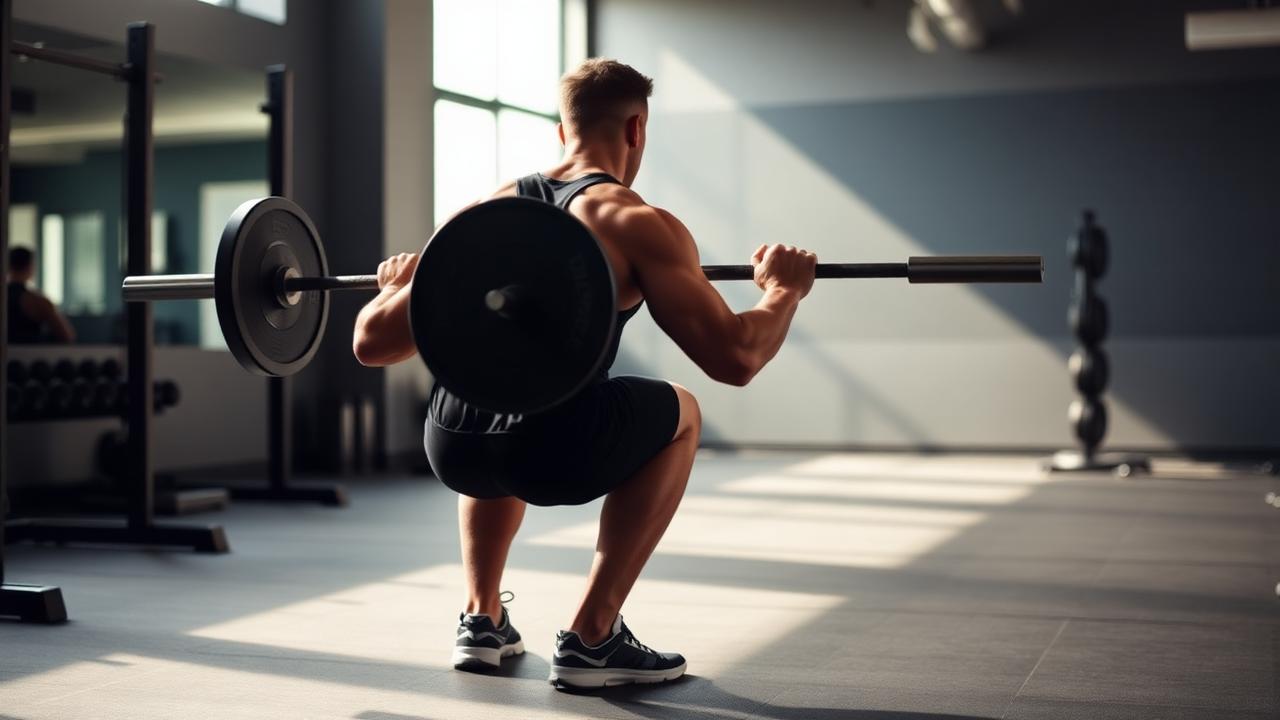
Strength is one of the most underrated investments you can make in your long-term health. It changes how easily you carry groceries at 40, how confidently you climb stairs at 60, and how safely you get up off the floor at 80. The fastest, simplest, and most evidence-backed way to build that strength is through compound movements — exercises that train multiple muscles and joints at once. This guide explains why compound lifts matter, which ones form the foundation, and how to programme them safely whether you train at home or in a gym.
What 'Functional Strength' Actually Means
Functional strength is the ability to produce force in ways that transfer to real life. Carrying a child up a flight of stairs is functional. Hoisting a suitcase into an overhead bin is functional. Catching yourself when you slip is functional. None of these tasks isolate a single muscle — they all demand multiple muscles, joints, and stabilisers working together.
Compound movements train this co-ordination directly. They mimic the patterns the human body evolved to perform — squatting, hinging at the hips, pushing, pulling, carrying, and rotating. The American College of Sports Medicine and the National Institutes of Health both highlight resistance training centred on compound movements as one of the most beneficial forms of exercise for long-term health, bone density, and metabolic function.
Why Compound Lifts Beat Isolation for Most People
Isolation exercises — bicep curls, leg extensions, lateral raises — have their place, especially for advanced trainees who want to develop a specific muscle. But for most people, especially beginners and time-pressed adults, compound movements deliver dramatically more return per minute. A single set of squats trains the quads, glutes, hamstrings, calves, core, and lower back. A single set of pull-ups trains the lats, biceps, forearms, rear shoulders, and core.
That density matters. Research summarised by Verywell Fit and the Cleveland Clinic suggests that two to three full-body sessions per week centred on compound lifts can produce strength and body-composition changes equal to or greater than five days of isolation work. For someone juggling work, family, and limited gym time, this is the difference between consistency and burnout.
The Six Foundational Movement Patterns
Almost every well-designed strength programme is built around six movement patterns. Mastering them gives you a strength toolkit that covers nearly every real-world demand on the body.
Squat — quads, glutes, core
Bodyweight squat, goblet squat with a dumbbell or kettlebell, and eventually a back or front squat with a barbell. Aim for feet roughly shoulder-width, knees tracking over toes, chest tall, hips dropping between the feet.
Hinge — hamstrings, glutes, back
Romanian deadlift, kettlebell deadlift, and eventually conventional deadlift. The hinge teaches you to pick things off the floor without rounding the lower back — arguably the most life-protective skill in the entire strength catalogue.
Push (horizontal and vertical) — chest, shoulders, triceps
Push-ups, bench press, and overhead press. Horizontal pushing builds chest and triceps; vertical pushing builds shoulder strength and stability — crucial for shoulder health as we age.
Pull (horizontal and vertical) — back, biceps, rear shoulders
Rows (dumbbell, barbell, or banded) for horizontal pulling, and pull-ups or lat pull-downs for vertical pulling. Pulling balances all the sitting and screen-time forward posture most modern adults accumulate.
Carry — grip, core, posture
Farmer's walks with heavy dumbbells or kettlebells. Carries are deeply functional, build grip strength (a well-established marker of long-term health), and challenge the core in a way no crunch can match.
Lunge / single-leg — balance, knee health, hip stability
Reverse lunges, split squats, and step-ups. Single-leg training corrects side-to-side imbalances and protects the knees against the kind of small slips and missteps that cause real-world injury.
Programming Basics: Sets, Reps, and Frequency
For general strength and health, two to four sessions per week is the sweet spot for most adults. A simple weekly template might include two full-body days (covering squat, hinge, push, pull, carry, and core) or three days split between upper and lower body. Each compound exercise typically lives in the range of 3–5 sets of 5–10 repetitions, with a controlled tempo and 1–3 minutes of rest between sets.
Progressive overload — gradually adding weight, reps, or quality over time — is the engine of strength gains. You do not need to add weight every session. Adding a single rep, slowing the lowering phase, or improving form all count as progress. Research-based guidelines from the American College of Sports Medicine and the CDC's Physical Activity Guidelines support 2 or more days per week of muscle-strengthening activity for all major muscle groups.
Safety, Technique, and Common Mistakes
Compound movements are powerful precisely because they involve many joints — which is also why poor technique can cause injury. Learn each pattern with bodyweight or light loads first. If possible, work with a certified coach for a session or two, or film yourself from the side to compare your form with reputable tutorials.
Common mistakes include rounding the lower back during deadlifts, allowing the knees to cave inward during squats, flaring the elbows aggressively during bench press, and shrugging the shoulders during overhead press. All of these are correctable, and none of them mean you should avoid the lift — they just mean you should slow down and master the pattern.
Pain that is sharp, joint-centred, or lasts beyond a workout is a signal to stop and consult a qualified healthcare professional, especially if you have a history of back, knee, or shoulder issues.
Warming up properly
Five minutes of light cardio followed by 1–2 ramp-up sets at lighter loads is enough for most lifters. Skip the long static stretches before lifting — research suggests they can briefly reduce strength output. Save static stretching for after training.
How Long Before You Feel and See Results
Neurological gains — being able to lift more weight because your nervous system learns the pattern — usually appear within 2–4 weeks. Visible body composition changes typically take 8–12 weeks of consistent training combined with adequate protein (1.2–1.6 g per kg of body weight per day) and sleep. Bone density improvements, particularly important for women and older adults, develop over months of consistent loading and are documented in long-term studies summarised by Harvard Health Publishing and the NIH.
The biggest barrier is not intensity. It is consistency. Three honest full-body sessions per week, sustained for a year, will outperform almost any short-term aggressive programme.
A Simple Twelve-Week Beginner Programme
If you have rarely lifted weights before, the goal of your first twelve weeks is not to lift heavy — it is to make the movements feel like brushing your teeth. Train three days a week on non-consecutive days. Each session, perform a five-minute warm-up of easy cardio and mobility, then four compound exercises for three sets of eight to ten repetitions, with about ninety seconds of rest between sets. Finish with five minutes of slow stretching for hips, hamstrings, chest, and shoulders.
Day A might be goblet squat, dumbbell bench press, single-arm dumbbell row, and a plank. Day B might be Romanian deadlift, dumbbell shoulder press, lat pulldown or assisted pull-up, and a side plank. Alternate the days through the week. For the first month, focus entirely on form — feet planted, breath controlled, back neutral, full range of motion. Add weight only when the last set feels easy with perfect form. By week eight, most beginners are squatting and hinging with weights they didn't think possible in week one.
Track everything. A small notebook or a free app like Strong or Hevy works. Note the exercise, sets, reps, and weight. The progression is almost mechanical: add a small amount of weight or one extra repetition whenever you can, and rarely grind out ugly reps to chase a number. Strength built this way lasts because it was earned correctly.
When to consider hiring a coach
If you have any history of back pain, joint injury, or a sedentary decade behind you, three to six sessions with a qualified personal trainer or physiotherapist is a worthwhile investment. They will catch form errors you cannot feel and give you confidence to train alone for years afterwards. The Chartered Society of Physiotherapy and the National Academy of Sports Medicine both publish directories of certified professionals.
Recovery, Pain, and the Mistakes That End Most Lifting Journeys
More beginners quit lifting from poor recovery than from poor programming. Muscle is built between sessions, not during them, and the body needs three inputs to recover well: sleep, protein, and patience. Aim for seven to nine hours of sleep, a protein intake around 1.2–1.6 grams per kilogram of body weight, and at least one full rest day between strength sessions for the same muscle group.
Soreness in the first month is normal and usually settles in twenty-four to seventy-two hours. Sharp pain in a joint, pain that lingers more than a week, or pain that travels down a limb is not normal and deserves a medical opinion. The single best way to avoid this is to add weight slowly, keep your repetitions clean, and warm up properly. Most lifting injuries come from ego, fatigue, or rushed loading — not from the exercises themselves, which are taught safely to children and seniors every day.
Finally, do not chase soreness as a sign of a good workout. A productive programme often leaves you feeling worked but not wrecked. Train, eat, sleep, repeat. Twelve weeks of that simple loop will change how strong you feel walking up stairs, lifting groceries, and getting up off the floor — which is what functional strength is for in the first place.
Key Takeaways
- Functional strength is the strength you can use in everyday life.
- Compound movements train multiple muscles at once and produce the best return on time.
- The six foundational patterns are squat, hinge, push, pull, carry, and lunge.
- 2–4 full-body sessions a week is enough for most adults to build lasting strength.
- Consistency over months, not intensity over weeks, drives real results.
Frequently Asked Questions
Are compound lifts safe for beginners?
Yes, when learned progressively with light weights and good technique. Start with bodyweight and small loads, and consider working with a certified coach for your first sessions.
Do I need a gym to build functional strength?
No. A pair of adjustable dumbbells, a kettlebell, and a sturdy bench can deliver decades of progress at home.
How often should I train each muscle group?
Most evidence supports training each major muscle group at least twice per week for steady strength and growth.
Will strength training make women bulky?
No. Building large amounts of muscle requires years of dedicated effort and a calorie surplus. Most women experience improved tone, posture, and bone health long before any bulk.
Conclusion
Compound movements are the backbone of a strong, capable body. They protect your joints, your bones, your metabolism, and your independence as you age. Pick the six patterns, train them consistently for a year, and almost every measure of physical health improves with you. Always consult a qualified healthcare professional before beginning a new exercise programme, especially if you have a medical condition.
Sources & Further Reading
More on Fitness & Workouts
- → HIIT vs Steady-State Cardio: Which One Works Best for Endurance?
- → The Best Morning Workout Routine at Home (20 Minutes, No Equipment)
- → Home Workout Without Equipment: A 30-Minute Full-Body Plan
You may also like

The Best Morning Workout Routine at Home (20 Minutes, No Equipment)
A complete 20-minute morning routine you can do beside your bed — mobility, strength, and a short cardio finisher to set up the rest of your day.
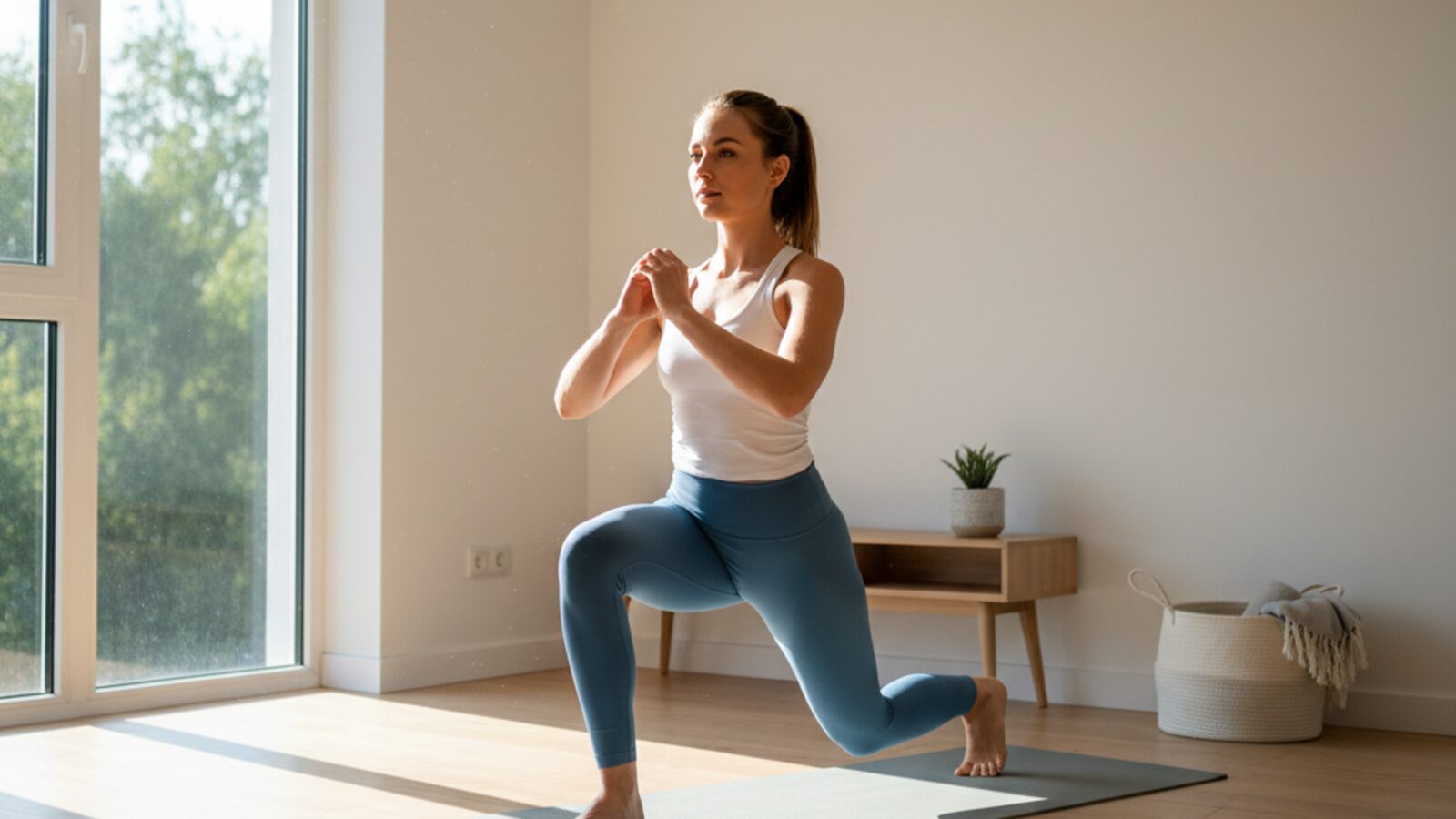
Home Workout Without Equipment: A 30-Minute Full-Body Plan
A balanced 30-minute home workout using nothing but your bodyweight, your breath, and the floor under your feet.
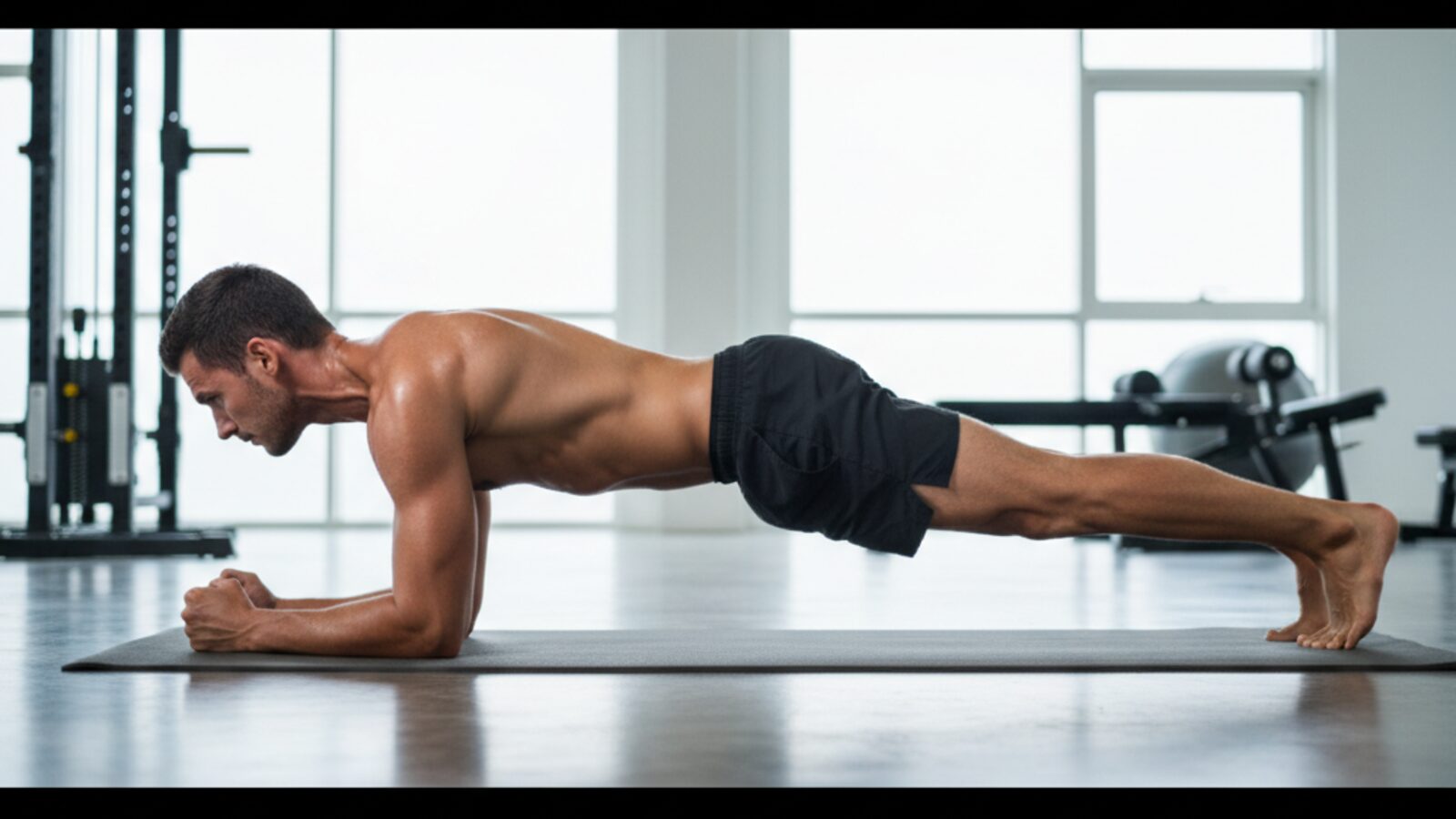
The 8 Best Exercises for Belly Fat (And the Truth About Spot Reduction)
The eight movements that build a strong core and burn calories — plus the honest truth about whether you can target belly fat.