Iron Deficiency in Women: Symptoms, Causes & Best Foods to Recover Fast
Iron deficiency quietly affects more than half of Indian women. Here are the early signs, the real causes, and the exact foods (veg and non-veg) that bring hemoglobin back up — fast.

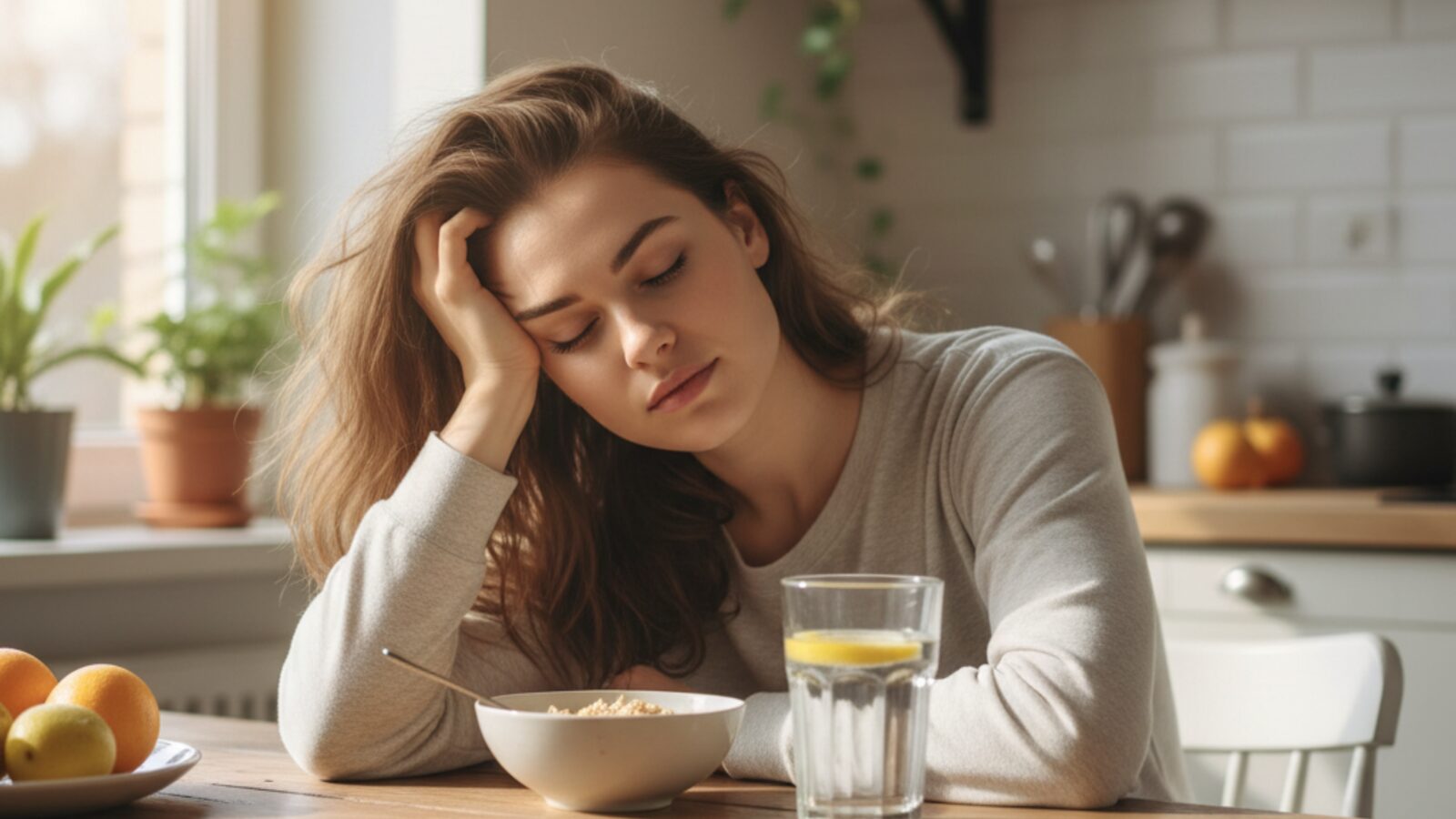
Iron deficiency is the most common nutritional deficiency in the world, and India sits at the very top of the global league table. According to the latest National Family Health Survey, more than 57% of Indian women between 15 and 49 are anaemic — most of them undiagnosed. The classic story is the same: 'I have always felt tired, my hair has been falling for years, I get dizzy when I stand up. I thought it was normal.' It is not normal, and it is one of the easiest things in women's health to fix. This guide walks through every early symptom of iron deficiency, why it happens specifically to Indian women, and the exact food list (vegetarian and non-vegetarian) that brings hemoglobin back up in 8-12 weeks.
The Difference Between Iron Deficiency and Anaemia
These two are often used interchangeably, but they are not the same. Iron deficiency is the early stage — your iron stores (ferritin) are dropping, but your blood is still producing enough hemoglobin to look 'normal' on a basic test. Anaemia is the later stage, where hemoglobin itself has fallen.
Most women in India spend years in the iron-deficient-but-not-yet-anaemic stage with full-blown symptoms, while routine reports come back 'fine'. This is why asking for a ferritin test — not just hemoglobin — matters so much.
Early Symptoms of Iron Deficiency in Women
These are the symptoms that show up well before hemoglobin actually drops:
- Constant fatigue that sleep does not fix - Dizziness or 'head rush' when standing up - Shortness of breath climbing one flight of stairs - Pale skin, pale inner eyelids, pale nail beds - Brittle, ridged or spoon-shaped nails - Hair fall — handfuls in the shower - Cold hands and feet even in warm weather - Headaches and difficulty concentrating ('brain fog') - Restless legs at night - Strange cravings for ice, raw rice or mud (pica) - Heavy or prolonged periods that make everything worse
If four or more of these are part of your daily life, you almost certainly have iron deficiency. A single morning blood test confirms it.
Why Iron Deficiency Is So Common in Indian Women
Six overlapping reasons explain why Indian women lose this battle so often:
1. Monthly menstrual blood loss — every period costs roughly 1 mg of iron per day of bleeding. Heavy periods (fibroids, PCOS, IUDs) multiply this dramatically. 2. Vegetarian diet — plant iron is up to four times less absorbable than animal iron. 3. High tea and coffee intake right after meals — the tannins block iron absorption by 50-70%. 4. Excess calcium from milk and curd taken with meals — competes with iron. 5. Low protein intake — protein helps iron absorption and red blood cell production. 6. Pregnancy and breastfeeding cycles in the 20s and 30s deplete stores faster than they can rebuild.
Best Iron-Rich Indian Foods (Vegetarian)
Plant iron is called 'non-heme iron'. It absorbs less easily, but combined with vitamin C and the right cooking techniques, it works well:
- Green leafy vegetables: spinach (palak), methi, bathua, drumstick leaves — soak or sauté in iron kadhai - Pulses: rajma, kala chana, masoor dal, moong dal, soybean - Whole grains: ragi, bajra, jowar — far higher in iron than wheat or rice - Dry fruits: dates, raisins, dried apricots, prunes — handful daily - Seeds: pumpkin seeds, sesame seeds, flaxseed - Jaggery (gur) instead of white sugar — 100g gives roughly 11mg iron - Sprouted moong, sprouted chana — sprouting increases iron absorption sharply - Beetroot, drumstick (sahjan), pomegranate — supportive, not main sources
Best Iron-Rich Indian Foods (Non-Vegetarian)
Animal iron is 'heme iron' and absorbs almost five times better than plant iron. If you eat non-veg, even 2-3 servings per week make a huge difference:
- Chicken liver — the most iron-dense food on earth, 100g delivers nearly your full daily requirement - Mutton/lamb (red meat) - Egg yolk (2 yolks daily) - Oysters, prawns and other shellfish - Sardines, mackerel and tuna
The 7 Iron-Absorption Rules Every Woman Should Know
1. Pair every iron source with vitamin C — squeeze lemon on dal, eat amla, guava, orange or capsicum with meals. This can triple absorption. 2. Do NOT drink chai or coffee within 1 hour of a meal. Tannins block iron. 3. Do not take milk, curd or calcium supplements at the same meal as your iron-rich food. 4. Cook in a traditional iron kadhai — it actually leaches usable iron into the food. 5. Sprout your pulses where possible — it reduces phytates that block absorption. 6. Eat protein at every meal — it supports red blood cell production. 7. If your doctor prescribes an iron supplement, take it on an empty stomach with vitamin C, ideally at bedtime to reduce nausea.
Sample 1-Day Iron-Boosting Indian Meal Plan
Morning (empty stomach): soaked 4 dates + 1 amla or 1 glass lemon water. Breakfast: 2 ragi-vegetable chillas + 1 boiled egg + 1 orange. Mid-morning: handful of pumpkin seeds + sprouted moong chaat with lemon. Lunch: bajra roti + palak-paneer or palak-dal + beetroot salad with lemon + small bowl of curd (eaten 30 minutes later, not with the meal). Evening: 1 cup green tea (not regular chai) + a handful of dry fruits and pumpkin seeds. Dinner: chicken liver fry OR rajma + 1 katori brown rice + cabbage sabzi + lemon water.
When You Need Iron Supplements (And Which Ones)
If your ferritin is below 30 ng/ml or hemoglobin is under 11 g/dl, food alone will take too long. Your doctor will prescribe one of these:
- Ferrous fumarate or ferrous ascorbate — gentler on the stomach than ferrous sulphate - Iron polymaltose complex (commonly used in India) — even fewer side effects - Bisglycinate forms — newest, very well tolerated - IV iron — reserved for severe anaemia or pre-surgical correction
Most women feel meaningfully better within 3-4 weeks of starting the right supplement, but full ferritin restoration takes three to six months. Do not stop early — that is the most common reason iron deficiency keeps coming back.
The Cellular Science: How Iron Depletion Affects Your Mitochondria
While most people associate iron with basic energy levels, the deeper biological mechanism involves the protein hemoglobin, which acts as the primary transporter of oxygen in the blood. Iron is the central atom in each hemoglobin molecule; without it, the body is physically unable to move oxygen from the lungs to the tissues. However, the science deepens when we look at myoglobin, a protein found in your muscle cells that stores oxygen for immediate use. When iron levels are chronically low, muscles become oxygen-depleted even during rest, leading to the profound, heavy-limbed fatigue that women often describe as 'feeling like lead.' This cellular starvation explains why even simple tasks like climbing a flight of stairs can cause disproportionate breathlessness.
Furthermore, iron is a critical enzymatic cofactor for mitochondrial function—the powerhouses of your cells. The National Institutes of Health (NIH) emphasizes that iron-dependent enzymes are essential for the electron transport chain, which generates Adenosine Triphosphate (ATP), the body's primary energy currency. When iron stores (ferritin) drop, your cells literally begin to brown out, similar to a city's power grid failing during a heatwave. This is why many women report 'brain fog' or cognitive slowing; the brain, though representing only 2% of body weight, consumes roughly 20% of the body's oxygen. An iron-deficient brain is essentially operating on a low-battery mode, resulting in poor concentration and irritability.
The Neurological Connection: Neurotransmitters and Iron
Iron is fundamental to the synthesis of neurotransmitters, particularly dopamine and serotonin. Low iron levels can impair the brain's ability to process these signals, which often manifests as Restless Leg Syndrome (RLS) or increased anxiety. Studies curated by the Mayo Clinic suggest that iron deficiency should be one of the first screenings for patients presenting with unexplained mood shifts or sleep disturbances, as the mineral is a prerequisite for the enzymes that regulate these neurological pathways.
A Step-by-Step Protocol for Sustained Recovery
Treating iron deficiency is not as simple as eating more spinach; it requires a strategic, phased approach to restore the body's depleted stores. The Harvard T.H. Chan School of Public Health notes that dietary iron comes in two forms: heme (from animal sources) and non-heme (from plant sources). For women with significant deficiency, the first phase of the protocol involves 'triaging' the diet to maximize heme iron absorption, which is two to three times more bioavailable than plant sources. If you are vegetarian, this phase requires a massive increase in Vitamin C co-ingestion to chemically reduce non-heme iron into a form the intestines can actually absorb.
The second phase focuses on the 'ferritin build-up.' Ferritin is your body’s iron storage tank. Even if your hemoglobin returns to normal (usually 12.0 g/dL for women), your ferritin might still be critically low. A sustainable protocol involves continuing iron-rich dietary habits for at least three to six months after hemoglobin has stabilized. This long-term approach prevents the 'rebound effect,' where women feel better, stop their iron-focused habits, and then crash again three months later because their underlying storage was rarely replenished. Consistency is more important than the quantity of iron consumed in a single sitting.
Optimization Tactics: The Two-Hour Rule
To ensure the iron you consume actually reaches your bloodstream, you must follow the 'Two-Hour Rule.' Avoid consuming calcium-rich dairy, coffee, tea, or whole grains (rich in phytates) within two hours of your high-iron meal. These substances bind to iron in the digestive tract, creating an unabsorbable complex that is simply excreted. Instead, pair your iron source with citrus, bell peppers, or amla (Indian gooseberry) to create an acidic environment that facilitates transport across the intestinal wall.
Common Mistakes in Managing Iron Deficiency
One of the most common mistakes women make is relying solely on 'superfoods' like beets or pomegranate juice without addressing inhibitors. While these foods contain some iron, the concentration is relatively low compared to the body's daily requirements during a state of deficiency. For instance, drinking large amounts of tea with meals—a common habit in India—can reduce iron absorption by up to 60-70% due to the presence of tannins. Many women believe they are eating a healthy, iron-rich diet, but the presence of tea or coffee at mealtime effectively neutralizes the nutritional benefits.
Another widespread error is the 'more is better' approach with supplements. High doses of iron can cause oxidative stress in the gut, leading to constipation, nausea, and changes in the gut microbiome. The World Health Organization (WHO) has noted that intermittent iron supplementation (once or twice a week) can sometimes be as effective as daily dosing for certain populations, with significantly fewer side effects. Over-supplementing without clinical supervision can also mask underlying issues, such as internal bleeding or malabsorption syndromes like Celiac disease, which require medical intervention rather than just nutritional support.
The 'Normal Hemoglobin' Fallacy
Many women assume that if their hemoglobin is within the 'normal' range (e.g., 12.1 g/dL), they cannot be iron deficient. However, 'Non-Anemic Iron Deficiency' is a recognized clinical state where hemoglobin is normal but ferritin is below 30 ng/mL. In these cases, women still experience hair loss, fatigue, and cold intolerance. Relying only on a Complete Blood Count (CBC) without checking a full Iron Profile (including TIBC and Ferritin) is a diagnostic pitfall that keeps millions of women in a sub-optimal state of health.
Life-Stage Specifics: Who Should Be Most Cautious?
Iron requirements fluctuate significantly throughout a woman's life cycle. During pregnancy, the CDC and ACOG emphasize that blood volume expands by nearly 50%, requiring a massive influx of iron to support both the mother's increased red blood cell count and the growing fetus and placenta. Post-partum iron deficiency is also frequently overlooked; blood loss during delivery, combined with the iron demands of breastfeeding, can leave a new mother severely depleted, contributing to postpartum fatigue and 'baby brain.' Transitioning into perimenopause brings its own set of challenges, as irregular and often heavier menstrual cycles can rapidly deplete iron stores that were previously stable.
Conversely, post-menopausal women and those with certain genetic conditions like hemochromatosis must be extremely cautious. For these groups, iron can actually become toxic, accumulating in the liver, heart, and joints. Excessive iron acts as a pro-oxidant, potentially increasing the risk of chronic diseases. Therefore, iron supplementation should rarely be an 'auto-pilot' habit for older women unless a deficiency is clinically proven through bloodwork. It is essential to recognize that 'weakness' in a post-menopausal woman may be due to B12 deficiency or thyroid issues rather than iron.
Long-term Sustainability: Beyond the Recovery Phase
Sustainability in iron management is about moving away from 'crisis eating' and toward a lifestyle of 'mineral density.' This means integrating iron-rich habits into your daily routine so they become second nature. One of the most effective long-term strategies is the use of traditional cast-iron cookware. Research has consistently shown that cooking acidic foods (like tomato-based curries) in iron pots can leach small, safe amounts of dietary iron into the food, providing a consistent baseline of intake that guards against future depletion.
Long-term success also involves gut health. Following a diet rich in prebiotics and probiotics ensures that the lining of the small intestine is healthy enough to manage the complex process of iron transport. Chronic inflammation, often stemming from a diet high in ultra-processed foods, triggers a hormone called hepcidin. The NHS highlights that high levels of hepcidin actually block iron from being absorbed into the bloodstream. Therefore, a long-term iron-boosting strategy isn't just about adding iron; it's about maintaining a low-inflammation lifestyle that allows your body's natural absorption hooks to remain open and functional.
When to See a Doctor: Red Flags and Advanced Diagnostics
While dietary changes and standard supplements work for many, there are clinical 'red flags' that necessitate immediate medical consultation. If you experience 'Pica'—a craving for non-food items like ice, dirt, or chalk—this is a hallmark sign of severe iron deficiency that usually requires intravenous (IV) iron therapy rather than oral supplements. Similarly, if you are strictly following an iron-rich diet but your levels fail to rise after three months, this points toward a malabsorption issue. Conditions like H. pylori infections or undiagnosed Celiac disease can prevent iron from ever entering the systemic circulation.
You should also seek a doctor if your iron deficiency is accompanied by persistent digestive changes, such as unexplained weight loss or blood in the stool. In some cases, low iron is not a disease in itself but a symptom of a more serious underlying condition, such as a uterine fibroid or a gastrointestinal polyp. A healthcare professional can perform an ultrasound or endoscopy to rule out internal blood loss. For women in India, where parasitic infections are still prevalent, doctors may also recommend deworming treatments, as certain parasites can 'steal' iron from the host's digestive tract, making dietary recovery almost impossible.
The Role of Intravenous (IV) Iron Therapy
Modern medicine offers 'Injectable Iron' for those who cannot tolerate oral pills or have severe depletion. This is no longer the dangerous procedure it once was; new formulations like Ferric Carboxymaltose can safely deliver a full gram of iron in a 15-minute infusion, bypassing the gut entirely. If your ferritin is in the single digits and you are struggling to function, ask your doctor about IV iron as a way to 'jumpstart' your recovery before switching back to a maintenance diet.
Conclusion: Thriving Beyond Basic Hemoglobin Targets
The ultimate goal of correcting an iron deficiency is to move from a state of 'survival' to a state of 'thriving.' When your hemoglobin and ferritin reach optimal levels—not just the bare minimum—your quality of life changes. You will notice better thermoregulation (no more cold hands and feet), significantly reduced hair shedding, and a return of the 'crescent moon' (lunula) on your fingernails. More importantly, your exercise tolerance will increase, allowing you to engage in physical activity that further boosts your cardiovascular health and bone density.
Recovery is a marathon, not a sprint. By understanding the science of absorption, avoiding common inhibitors, and monitoring your levels through life's transitions, you can break the cycle of chronic fatigue that affects so many women globally. Iron is literally the element that allows your blood to carry life to your cells; treating its deficiency is perhaps the single most impactful thing a woman can do for her long-term metabolic and mental health. Work with your body’s biology, be patient with the process, and prioritize mineral density in every meal.
Key Takeaways
- Iron deficiency is the silent epidemic of Indian women — over 1 in 2 are affected, most undiagnosed.
- Ask for a ferritin test, not just hemoglobin. Ferritin drops first, often years before hemoglobin does.
- Vegetarians can fully recover with ragi, bajra, sprouts, dark leafy greens, jaggery and vitamin C pairing.
- rarely take chai, coffee, milk or calcium supplements at the same meal as your iron-rich food.
- Persistent symptoms despite supplements usually mean heavy periods, gut malabsorption or H. pylori — investigate the root cause.
Frequently Asked Questions
Can a vegetarian woman really fix iron deficiency without meat?
Yes, absolutely. It requires planning — pairing iron foods with vitamin C, avoiding tea/coffee around meals, using iron cookware and being consistent — but a thoughtful vegetarian diet plus a short course of supplements works very well.
How long does it take for hemoglobin to come back to normal?
On supplements and food together, hemoglobin usually rises 1-2 g/dl per month. Ferritin (the storage form) takes longer — three to six months of consistent intake to fully refill stores.
Do iron supplements cause constipation?
Older forms like ferrous sulphate can. Newer forms (iron polymaltose, ferrous bisglycinate) are much gentler. Drinking more water and eating fibre alongside almost always solves it.
Can heavy periods cause iron deficiency?
Yes — this is one of the top causes in women. If your periods soak through a pad in under two hours or last more than seven days, ask your gynaecologist to investigate fibroids, adenomyosis or thyroid issues alongside treating the anaemia.
Conclusion
Iron deficiency is the easiest 'big problem' to fix in women's health. A single blood test, the right food pairings, a short course of supplements if needed, and within three months you will feel an energy you may not have felt for years. If you have been tired forever, this is the first thing to investigate — not the last.
Sources & Further Reading
More on Women's Health
- → 10 Early Signs of Hormonal Imbalance Every Woman Should Know
- → Best Indian Diet Plan for PCOS Weight Loss (Backed by Experts)
- → Why Women Over 30 Start Gaining Weight — and How to Stop It
You may also like

10 Early Signs of Hormonal Imbalance Every Woman Should Know
Hormonal imbalance rarely announces itself loudly. It whispers — through stubborn acne, broken sleep, irregular periods and a mood you cannot quite explain. Here are the 10 earliest signs every woman should recognise.
Best Indian Diet Plan for PCOS Weight Loss (Backed by Experts)
PCOS weight loss is not about eating less — it is about eating in a way that can help improve insulin sensitivity. Here is a realistic Indian diet plan, expert-backed, that works without giving up dal, roti or rice.

Why Women Over 30 Start Gaining Weight — and How to Stop It
Same diet, same lifestyle, but suddenly the jeans don't fit. Here is exactly why women start gaining weight after 30, and the evidence-based plan to reverse it without crash diets.