Why Women Over 30 Start Gaining Weight — and How to Stop It
Same diet, same lifestyle, but suddenly the jeans don't fit. Here is exactly why women start gaining weight after 30, and the evidence-based plan to reverse it without crash diets.

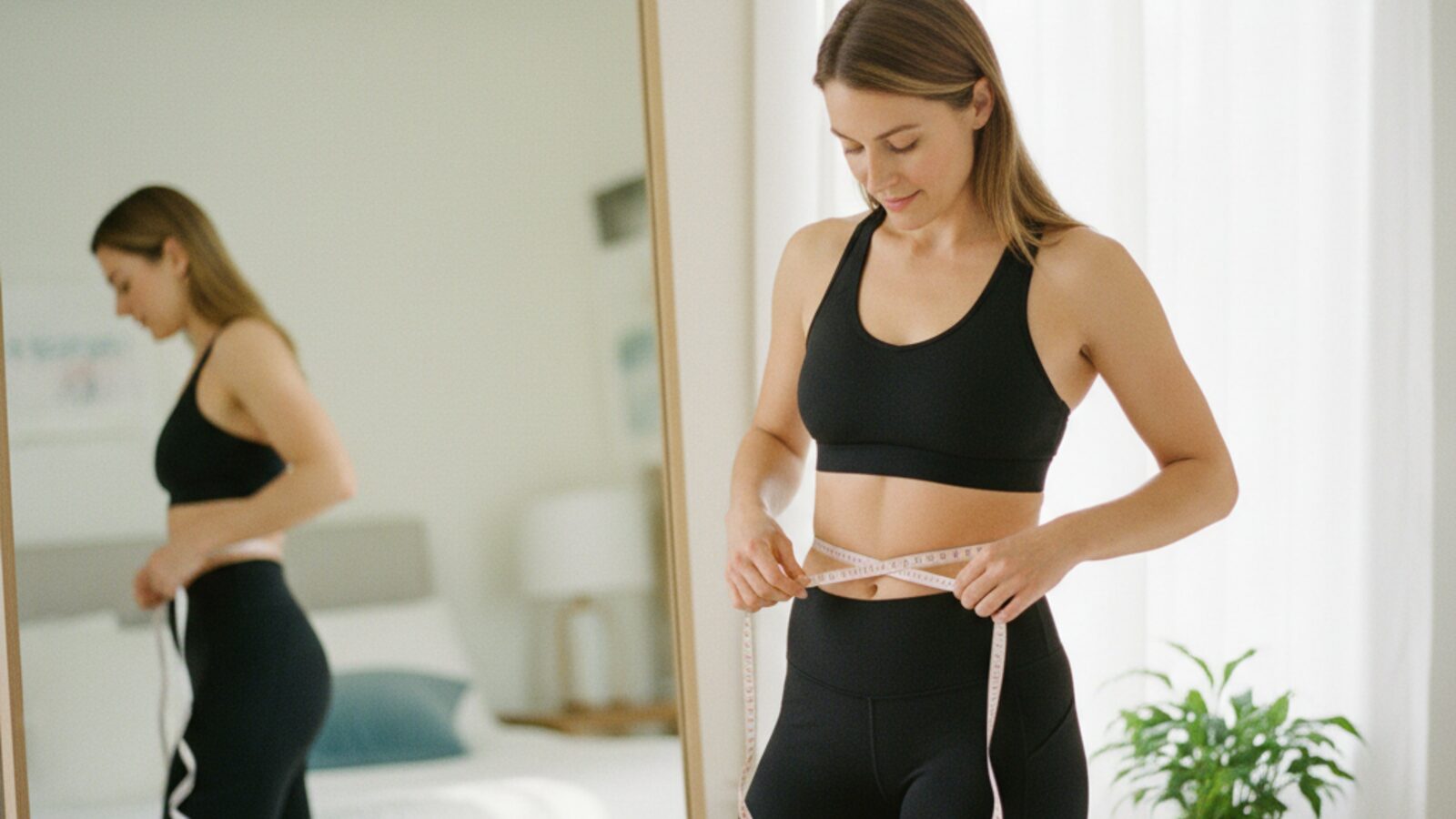
Almost every woman, at some point between 28 and 35, has the same realisation: nothing has changed about how she eats or moves, but the scale is climbing and the belly will not flatten. This is not in your head, and it is not a failure of discipline. The female body undergoes a quiet but real shift in this decade — metabolism slows, muscle mass starts dropping, hormones become more sensitive to stress, and life simply gets busier and more sedentary. The encouraging news is that none of these are out of your control. With the right adjustments, women in their 30s can reach a healthier body composition than they had at 25. Here is exactly what changes after 30, and the plan to reverse it.
Reason 1 — You Are Quietly Losing Muscle (Sarcopenia)
From around age 30, women lose roughly 0.5-1% of their muscle mass per year if they are not actively strength training. This is called sarcopenia, and it is the single biggest driver of weight gain in your 30s.
Less muscle means a lower resting metabolic rate — your body burns fewer calories doing nothing. By 40, an inactive woman may be burning 150-200 fewer calories per day than she did at 25, on the same diet. Over a year, that is roughly 7-9 kg of fat gain without changing a single eating habit.
The fix is not cardio. Cardio burns calories in the moment but does almost nothing to preserve muscle. Strength training does. Two or three short sessions per week with progressive resistance (dumbbells, resistance bands or bodyweight) is enough to halt and even reverse this trend.
Reason 2 — Hormones Start Shifting (Yes, Even at 30)
Perimenopause begins for many women in their late 30s, but hormonal shifts start earlier. Progesterone — the calming, fat-burning hormone — begins to decline first, often from age 32-34. Estrogen stays relatively stable for now but the ratio shifts, leading to a state called estrogen dominance.
This pattern is responsible for the new belly weight, water retention before periods, heavier bleeding, and worsening PMS that many women notice in their 30s. It also explains why caffeine and alcohol suddenly feel harsher.
Reason 3 — Stress and Cortisol Become Chronic
The 30s are usually the most cognitively demanding decade — career growth, young children, ageing parents, financial pressure. Cortisol, your stress hormone, stays elevated for longer stretches of the day.
Chronically high cortisol does three things that show up on the body: it tells fat to store specifically around the abdomen, it breaks down muscle for energy, and it spikes blood sugar even on healthy meals. All three lead directly to weight gain that resists normal diet-and-exercise approaches.
Reason 4 — Sleep Quality Drops
Average sleep for women between 30 and 40 falls from 7.5 hours to under 6.5. Bedrooms get warmer (toddlers, work hours), wake-ups multiply, deep sleep shortens. A single night of under 6 hours raises insulin resistance the next day by up to 25% and triggers stronger cravings for sugar and refined carbs.
Reason 5 — Life Becomes Sedentary
Most women at 25 walked more than they remember — to college, to a friend's place, to the metro. By 32, the day looks like home-car-office-car-home. Average step count drops from 8,000-10,000 to 3,000-4,000. Movement is the unseen calorie burner, and losing it has a bigger impact than any single dietary mistake.
The 5-Part Fix — What Actually Works After 30
These five changes, done consistently for 12 weeks, reverse the typical 'after-30' weight gain for most women without crash dieting:
1. Strength training, 3 days a week
Pick three days a week and do 30-40 minutes of strength work. Squats, lunges, push-ups, rows, planks. Add weight progressively. Two sets, 8-12 reps per exercise. Muscle gained at 35 looks even better than muscle gained at 22 because it shapes the body in proportion.
2. Protein at every meal — 25 to 30g
Most women in their 30s eat enough food but not enough protein. Aim for 90-110g a day split across three to four meals. This single change keeps muscle on while you lose fat, controls hunger, and stabilises blood sugar.
3. 8,000+ steps daily
This is the most powerful, lowest-effort change you can make. Walk during phone calls, take the longer route to the parking lot, do an after-dinner stroll. Steps are insulin medicine in a pair of shoes.
4. Sleep — non-negotiable
Aim for 7-8 hours, with the same bedtime every night. Keep the room cool, dark and screen-free for the last 30 minutes. Sleep is when fat burning peaks and cortisol drops — short sleep undoes a perfect diet.
5. Manage stress on purpose
Choose one daily stress-reduction practice — a 10-minute walk outdoors, journaling, slow breathing for 5 minutes, or 20 minutes of yoga. Without this, cortisol remains a silent saboteur of every other effort.
Simple 4-Week Home Workout for Women Over 30
No gym needed. Three days a week, alternating with rest or walking days:
- Squats: 3 sets of 12 - Push-ups (knee or full): 3 sets of 10 - Glute bridges: 3 sets of 15 - Bent-over dumbbell row (or water bottles): 3 sets of 12 - Plank: 3 sets of 30 seconds
Add 1-2 kg of weight or one extra rep every week. By week four you will already feel the difference in how clothes fit, even before the scale moves dramatically.
What to Eat in a Day After 30 (Sample Indian Plate)
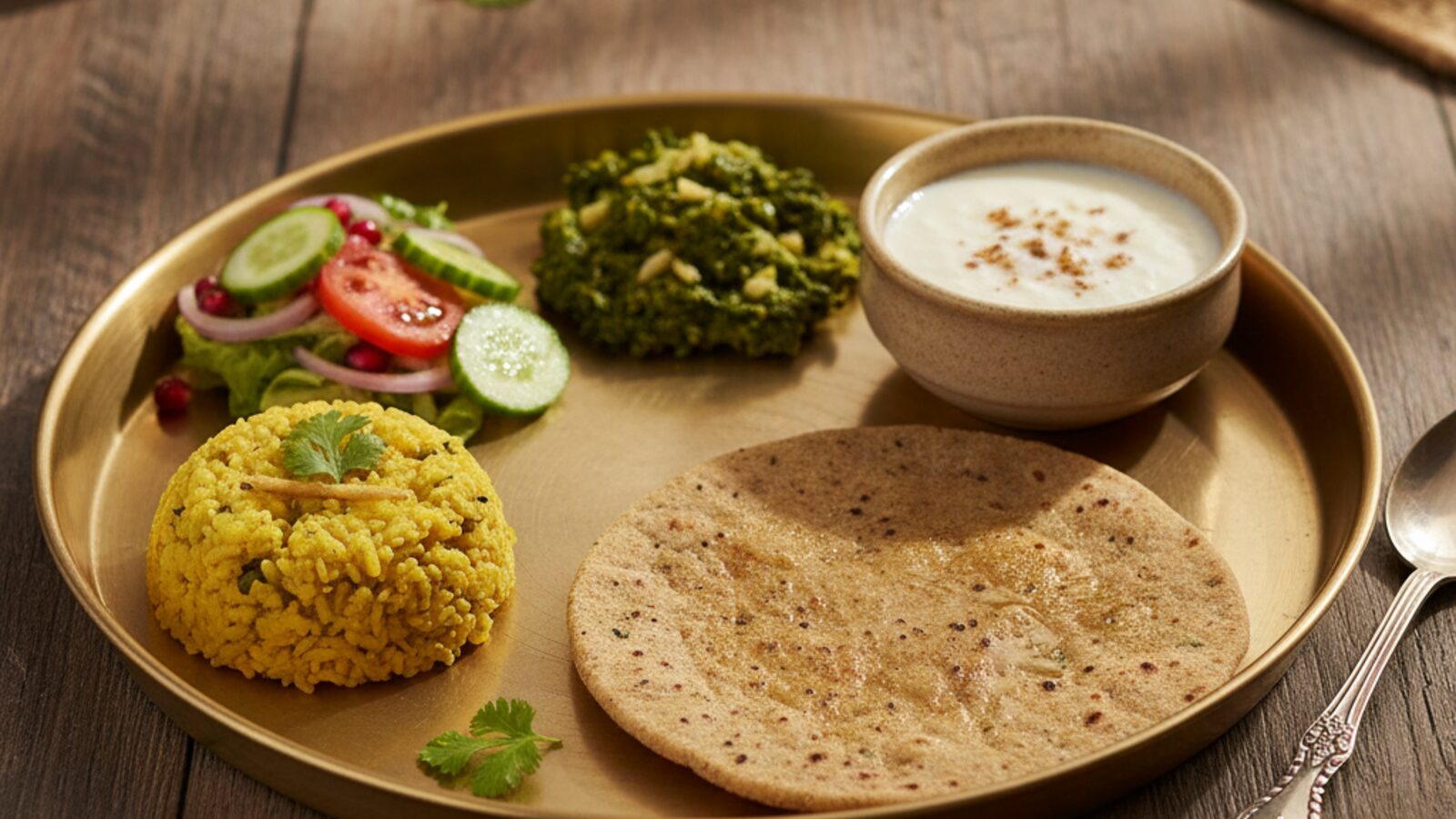
Breakfast: 2 eggs + 1 multigrain roti or 2 moong dal chillas + curd. Lunch: 2 jowar/bajra rotis + dal + sabzi + salad + small bowl of curd. Snack: handful of nuts + green tea or buttermilk. Dinner: grilled paneer/chicken/fish + vegetable stir-fry + small portion of brown rice.
This delivers roughly 100g of protein, plenty of fibre, and keeps blood sugar steady — exactly what a woman's body needs to keep burning fat in her 30s.
The Science of Insulin Sensitivity and Metabolic Efficiency after 30
Beyond the simple burning of calories, the metabolic shift in a woman's 30s is deeply tied to insulin sensitivity. As the body matures, the efficiency with which cells respond to insulin—the hormone responsible for shuttling glucose from the bloodstream into muscles for energy—can begin to decline. According to the Mayo Clinic, even slight reductions in physical activity or changes in sleep patterns can trigger systemic insulin resistance. When cells become less responsive, the pancreas compensates by producing more insulin. High circulating levels of insulin act as a metabolic lock, signaling the body to store fat rather than oxidize it, particularly in the visceral or 'deep' abdominal region.
This metabolic shift is further complicated by the 'thermic effect of food' (TEF). In our 20s, the body is highly efficient at using energy to digest and process nutrients. However, as we enter our 30s, particularly if protein intake is low, this metabolic spike after eating diminishes. This creates a cumulative caloric surplus that isn't immediately obvious. It isn't just about the calories consumed; it is about how the body handles those calories at a cellular level. Without the metabolic fire of high muscle mass, the body increasingly prefers to shunt surplus energy into adipose tissue, creating a cycle where one feels sluggish despite eating a standard diet.
The Role of Nutrient Timing in Metabolic Health
To combat insulin resistance, women should focus on 'nutrient timing.' Consuming the majority of complex carbohydrates in the hours immediately following a resistance training session ensures that glucose is diverted to glycogen stores in the muscle rather than being stored as fat. Additionally, incorporating apple cider vinegar or fiber-rich appetizers before a high-carb meal can blunt the glucose spike, keeping insulin levels stable and preventing the 'fat-storage' signal from being triggered prematurely.
Chronic Inflammation and the Leptin Resistance Cycle
One of the most overlooked factors in weight gain after 30 is the cumulative effect of chronic inflammation. Often referred to as 'inflammaging,' this low-grade, systemic inflammation can interfere with leptin, the hormone that signals fullness to the brain. When the body is in a state of chronic inflammation—often caused by high-stress lifestyles, processed seed oils, and environmental toxins—the brain becomes 'deaf' to leptin's signals. Consequently, women in their 30s may find themselves feeling perpetually hungry or rarely quite satisfied after a meal, leading to the gradual 'weight creep' that characterizes this decade.
Furthermore, the World Health Organization (WHO) has highlighted the link between environmental factors and metabolic health. For women in their 30s, this often manifests as an overburdened detoxification system. If the liver is preoccupied with processing high levels of cortisol or environmental pollutants, its ability to metabolize fats efficiently is compromised. This metabolic bottleneck makes it significantly harder to lose weight, even when following a calorie-restricted diet. Addressing inflammation through an antioxidant-rich diet and reducing exposure to endocrine disruptors is essential for restoring a healthy weight-loss environment.
The Advanced Movement Protocol: Why Cardio Isn't Enough
For women over 30, the traditional approach of long-duration, moderate-intensity cardio (like jogging for an hour) often yields diminishing returns and may even be counterproductive. This is because excessive cardio can elevate cortisol levels, which, as previously noted, encourages belly fat storage. Instead, the National Institutes of Health (NIH) suggests that 'Metabolic Conditioning' or 'Metcon' is superior for this demographic. Metcon involves high-intensity bursts of compound movements—such as squats, overhead presses, and lunges—with very short rest periods. This approach not only burns calories during the session but significantly elevates the Excess Post-exercise Oxygen Consumption (EPOC), keeping the metabolism higher for up to 24 hours afterward.
A sustainable protocol for women in their 30s involves a '3-2-1' approach: three days of dedicated strength training to build the muscle mass that drives metabolism, two days of low-impact movement like walking or yoga to manage cortisol, and one day of high-intensity interval training (HIIT) to improve cardiovascular efficiency. This balance ensures that the body is challenged enough to change without being pushed into a state of chronic overtraining, which can lead to hormonal imbalances and injury. Consistency in these 'micro-habits' is more effective than sporadic, grueling workouts.
The Importance of Progressive Overload in Strength Training
The goal of exercise after 30 should be 'progressive overload.' This means gradually increasing the weight, frequency, or number of repetitions in your strength routine. Without this gradual increase in stress on the muscles, the body quickly adapts, and the metabolic benefits plateau. Even switching from 5lb dumbbells to 8lb dumbbells can be the catalyst needed to break through a weight-loss stall.
Common Pitfalls: Why Your Diet Might Be Working Against You
While it is tempting to try aggressive diets to shed the '30s spread,' severe caloric restriction often backfires. When women over 30 drop their calorie intake too low (typically under 1,200 calories), the body enters 'starvation mode,' downregulating thyroid function to conserve energy. This leads to a further slowed metabolism and makes future weight loss even more difficult. The Harvard T.H. Chan School of Public Health emphasizes the importance of 'diet quality' over simple caloric quantity. A sustainable approach involves focusing on protein density—aiming for 1.2 to 1.5 grams of protein per kilogram of body weight—to protect existing muscle mass during fat loss.
Another common mistake is the overconsumption of 'liquid calories' and hidden sugars in health foods. Many women transition to green juices, protein bars, or yogurt parfaits that are marketed as healthy but are actually loaded with fructose. High fructose intake is specifically linked to increased liver fat and insulin resistance. Transitioning to a whole-food, fiber-first approach—where every meal contains a significant portion of cruciferous vegetables—is the most effective way to maintain a caloric deficit without triggering the body's metabolic defense mechanisms. It is about fueling the body to perform, not starving it into submission.
Micronutrient Deficiencies and Their Impact on Weight Loss
Micronutrients play a pivotal role in the metabolic machinery for women over 30. Deficiencies in Vitamin D, Magnesium, and B-vitamins are incredibly common in this age group and can bring weight loss to a halt. Vitamin D acts more like a hormone than a vitamin, and low levels are consistently linked to increased abdominal fat and muscle weakness. Magnesium is essential for over 300 biochemical reactions, including the regulation of blood sugar and the synthesis of protein. Without adequate magnesium, the body cannot effectively convert glucose into energy, leading to fatigue and sugar cravings.
Similarly, iron deficiency—common in pre-menopausal women—can lead to anemia, which significantly reduces the body's ability to transport oxygen to muscles. When muscles aren't properly oxygenated, they cannot burn fat efficiently, and exercise feels exponentially more exhausting. The CDC recommends regular blood panels for women in their 30s to monitor these levels. Optimizing micronutrient intake through a diverse diet of leafy greens, seeds, lean proteins, and, where necessary, targeted supplementation, ensures that the 'cellular engine' has the components it needs to run at peak performance.
The Microbiome-Metabolism Connection
Gut health is another critical pillar. The microbiome—the trillions of bacteria living in your digestive tract—influences how many calories you absorb from food and how you store fat. A diet high in fiber and fermented foods supports a diverse microbiome, which is associated with lower body weight and reduced inflammation. Probiotics and prebiotics are not just for digestion; they are tools for metabolic regulation.
Long-Term Sustainability and When to Consult a Professional
While the physical changes in your 30s are real, they are not insurmountable. Sustainability comes from moving away from a 'quick fix' mindset toward a 'lifestyle architecture' mindset. This involves looking at the next 30 to 40 years of health rather than the next 30 days. Long-term weight management is built on the foundation of 'NEAT'—Non-Exercise Activity Thermogenesis. This includes all the movement you do outside of the gym, like standing while on calls, taking the stairs, or gardening. For many women, increasing NEAT is more effective for long-term weight maintenance than an extra hour at the gym because it doesn't trigger the same compensatory hunger response.
Finally, it is vital to know when to seek professional medical advice. If you are experiencing rapid weight gain despite no changes in diet or exercise, or if you have symptoms like thinning hair, extreme fatigue, or persistent coldness, it may indicate a thyroid disorder or PCOS (Polycystic Ovary Syndrome). These conditions are common in the 30s and require medical intervention to manage. Consulting an endocrinologist or a specialized nutritionist can provide the diagnostic clarity needed to tailor your health plan. Remember, your 30s should be a decade of peak strength and vitality, and with the right evidence-based strategies, you can maintain a composition you are proud of indefinitely.
The Late-30s Transition: Preparing for Perimenopause
As women approach their late 30s, they may enter perimenopause, a transition period that can last up to a decade before menopause. During this time, estrogen levels begin to fluctuate wildly. Estrogen is naturally protective against fat storage in the midsection; as it declines, the body tends to redistribute fat from the hips and thighs to the abdomen. According to ACOG (American College of Obstetricians and Gynecologists), this shift is not just cosmetic; visceral fat is metabolically active and can increase the risk of cardiovascular disease. Recognizing these early hormonal shifts allows women to get ahead of the curve by doubling down on muscle-preserving activities.
To manage this transition, focusing on phytoestrogens—natural plant compounds found in soy, flaxseeds, and legumes—can provide a gentle balancing effect. Furthermore, reducing alcohol consumption is particularly beneficial during this stage. Alcohol not only adds empty calories but also impairs the liver's ability to process estrogen, potentially worsening hormonal imbalances and sleep disturbances. By acknowledging the biological reality of the late 30s, women can adjust their expectations and strategies, moving from a focus on 'weight' to a focus on 'body composition' and functional health.
Key Takeaways
- Weight gain after 30 is real and biological — driven mainly by muscle loss, hormonal shifts, cortisol and reduced daily movement.
- Strength training 3 times a week is the single most powerful reversal tool.
- Aim for 90-110g of protein daily, 8,000+ steps, and 7-8 hours of sleep.
- Cortisol from chronic stress is the silent reason flat-bellied diets stop working — manage it deliberately.
- 12 weeks of consistency is usually enough to drop the new belly weight and feel stronger than you did at 25.
Frequently Asked Questions
Does metabolism really slow down at 30?
Only slightly on its own. The bigger driver of a 'slow metabolism' after 30 is muscle loss, which IS reversible with strength training. So the metabolism problem is really a muscle problem in disguise.
Is cardio bad for women over 30?
Not bad, just incomplete. Cardio burns calories in the moment but does nothing for muscle preservation. Combine 2-3 strength sessions with walking and one cardio session a week for the best results.
Why is my belly fat the hardest to lose?
Belly fat in women over 30 is mostly cortisol- and insulin-driven, not just calorie-driven. It responds best to sleep, stress reduction, protein and strength training — not to extra cardio or eating less.
Should I take supplements?
Vitamin D, B12 and protein powder (if you struggle to hit 90g) are the three most useful for Indian women over 30. Anything beyond that should be guided by lab results, not Instagram.
Conclusion
Your body at 35 is not your body at 25, but it can be stronger, leaner and more energetic than it was — you just have to train and feed it differently. Strength, protein, steps, sleep, stress. Five inputs, twelve weeks, and the 'after-30' weight gain story rewrites itself.
Sources & Further Reading
- American College of Sports Medicine
- Harvard Health — Women's Health
- NIH — Body Composition Changes with Aging
- Mayo Clinic — Metabolism and Weight Loss
- Cleveland Clinic — Perimenopause
- North American Menopause Society — Weight Changes
- ACSM — Physical Activity Guidelines for Adults
- Harvard Health — Why People Gain Weight as They Age
More on Women's Health
- → 10 Early Signs of Hormonal Imbalance Every Woman Should Know
- → Best Indian Diet Plan for PCOS Weight Loss (Backed by Experts)
- → Iron Deficiency in Women: Symptoms, Causes & Best Foods to Recover Fast
You may also like

10 Early Signs of Hormonal Imbalance Every Woman Should Know
Hormonal imbalance rarely announces itself loudly. It whispers — through stubborn acne, broken sleep, irregular periods and a mood you cannot quite explain. Here are the 10 earliest signs every woman should recognise.
Best Indian Diet Plan for PCOS Weight Loss (Backed by Experts)
PCOS weight loss is not about eating less — it is about eating in a way that can help improve insulin sensitivity. Here is a realistic Indian diet plan, expert-backed, that works without giving up dal, roti or rice.

Iron Deficiency in Women: Symptoms, Causes & Best Foods to Recover Fast
Iron deficiency quietly affects more than half of Indian women. Here are the early signs, the real causes, and the exact foods (veg and non-veg) that bring hemoglobin back up — fast.