Best Indian Diet Plan for PCOS Weight Loss (Backed by Experts)
PCOS weight loss is not about eating less — it is about eating in a way that can help improve insulin sensitivity. Here is a realistic Indian diet plan, expert-backed, that works without giving up dal, roti or rice.

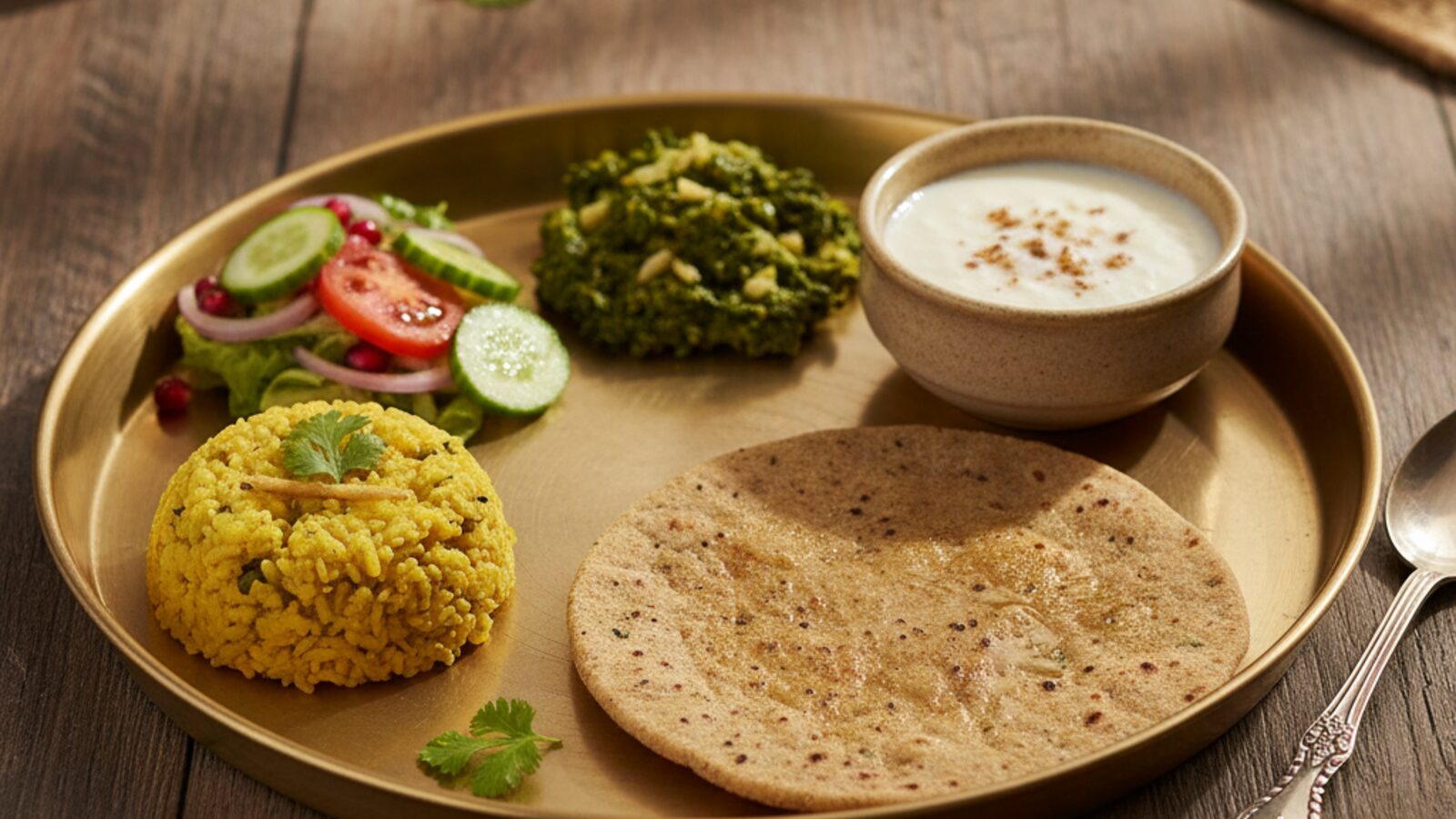
PCOS is the most common hormonal disorder in Indian women — affecting roughly 1 in 5 women between 18 and 35. The frustrating part is that standard weight-loss advice fails for PCOS. Eating less makes things worse. Cardio alone does nothing. Skipping carbs feels good for a week, then backfires. The reason is simple: PCOS weight gain is driven by insulin resistance, not by calorie excess. Fix the insulin, and the weight comes off almost as a side effect. This guide gives you a realistic Indian diet plan — one that works with dal, roti, rice, curd and ghee, not against them — and the full list of foods to eat, foods to limit and habits that quietly reverse PCOS in six to nine months.
Why Standard Diets Fail in PCOS
In women without PCOS, eating less calories straightforwardly leads to weight loss. In women with PCOS, the body's elevated insulin levels actively block fat burning. Insulin is a storage hormone — when it is constantly high, fat cells refuse to release their stores no matter how low you go on calories.
Add to this a slightly lowered metabolic rate, increased androgens that drive belly-fat storage, and intense sugar cravings caused by reactive hypoglycaemia, and you have the perfect storm. This is why women with PCOS can eat 1,200 calories a day and still not lose weight.
The fix is not less food — it is the right combination of food, timed correctly, paired with daily movement. Most women see the scale move within three to four weeks of doing this properly.
The Three Rules of a PCOS-Friendly Indian Diet
Rule 1 — Protein at every meal. Aim for 25-30g per meal. This is the single most important change. Protein blunts insulin spikes, controls cravings and protects muscle while you lose fat.
Rule 2 — Fibre with every carb. Roti, rice and poha are not off-limits, but they must be eaten with vegetables and a protein source. The fibre slows glucose absorption and prevents the insulin spike that drives PCOS weight gain.
Rule 3 — A 10-minute walk after every meal. This single habit lowers post-meal glucose by 20-30% in PCOS women. It is more effective than any expensive supplement.
Foods to Eat Daily (The PCOS Plate)
Build your meals from this list and you cannot really go wrong:
- Proteins: eggs, paneer, tofu, Greek yogurt or thick curd, dal, rajma, chana, chicken, fish, soya chunks - Slow carbs: bajra, jowar, ragi, brown rice, hand-pounded rice, oats, quinoa, sweet potato - Vegetables: spinach, methi, bhindi, lauki, tinda, capsicum, cabbage, cauliflower, broccoli (aim for 400g a day) - Healthy fats: ghee (1 tsp/meal), cold-pressed mustard or coconut oil, almonds, walnuts, flaxseed - Low-glycaemic fruits: guava, papaya, berries, apple, pear, jamun, kiwi
Foods to Limit or Avoid in PCOS
These are the biggest insulin spikers in the Indian diet — not banned forever, but kept to once or twice a week:
- Sugar in chai/coffee, jaggery in large amounts, gur, sweets, mithai - Maida products: biscuits, bread, pav, naan, samosa, kachori, pasta - Fruit juices and sweetened lassi/buttermilk - White polished rice in large portions (more than 1 katori) - Packaged namkeen, chips, instant noodles - Sugary breakfast cereals marketed as 'healthy' - Aerated drinks, energy drinks, sweetened iced teas
Two specific Indian habits cause more PCOS weight gain than people realise: sugar in three to four cups of chai a day, and parle-G-style biscuits as a snack. Cutting just these two often produces 2-3 kg of weight loss in the first month alone.
A Realistic 7-Day Indian PCOS Meal Plan
This plan is roughly 1,600-1,800 kcal with 90-110g of protein — appropriate for sustainable PCOS weight loss in an average Indian woman. Adjust portion size to your hunger, not the other way round.
Day 1 (Monday)
Breakfast: 2-egg vegetable omelette + 1 multigrain roti + 1 cup vegetables. Lunch: 1 katori brown rice + 1 katori rajma + cucumber-tomato salad + 1 katori curd. Snack: handful of roasted chana + green tea. Dinner: 2 bajra rotis + palak paneer (paneer 100g) + lauki sabzi.
Day 2 (Tuesday)
Breakfast: 2 moong dal chillas + mint chutney + 1 cup curd. Lunch: 2 jowar rotis + dal tadka + bhindi sabzi + salad. Snack: 1 apple + 6 almonds. Dinner: grilled chicken or tofu 150g + sautéed broccoli & beans + 1 sweet potato.
Day 3 (Wednesday)
Breakfast: 1 bowl masala oats with vegetables + 2 boiled eggs. Lunch: paneer bhurji 100g + 2 multigrain rotis + cucumber raita. Snack: papaya bowl + 1 tsp flaxseed. Dinner: 1 katori brown rice + rajma + salad.
Day 4 (Thursday)
Breakfast: vegetable poha with peanuts + 1 cup buttermilk (unsweetened). Lunch: 2 ragi rotis + chicken/soya curry + cabbage sabzi. Snack: handful of walnuts + green tea. Dinner: moong dal khichdi with vegetables + 1 katori curd.
Day 5 (Friday)
Breakfast: 2 besan chillas + mint chutney + 1 boiled egg. Lunch: dal + 1 katori brown rice + mixed vegetable sabzi + salad. Snack: 1 pear + 6 almonds. Dinner: fish/paneer tikka + grilled vegetables + 1 multigrain roti.
Day 6 (Saturday)
Breakfast: vegetable upma with sambar + 1 boiled egg. Lunch: chole + 2 jowar rotis + cucumber salad. Snack: roasted makhana + green tea. Dinner: tofu/chicken stir-fry with capsicum, broccoli, beans + 1 small sweet potato.
Day 7 (Sunday — the flexible day)
Breakfast: 2 stuffed paneer parathas (in ghee, not oil) + curd. Lunch: your favourite home-cooked meal in normal portion — even biryani or pulao with raita is fine on day 7. Snack: fruit + nuts. Dinner: light vegetable soup + grilled protein + salad.
Lifestyle Habits That Multiply PCOS Diet Results
Diet alone fixes about 60% of PCOS. The remaining 40% comes from four lifestyle habits, in order of impact:
1. Strength training 3 times a week. Muscle is the most insulin-sensitive tissue in the body — the more you have, the better your blood sugar runs. 2. 7,000-10,000 steps daily. 3. Sleep before 11 p.m. — sleep deprivation directly raises insulin resistance the next day. 4. Inositol (myo + d-chiro, 40:1 ratio) supplement, only if your doctor approves. Studies show it improves ovulation and insulin sensitivity in PCOS.
What Realistic PCOS Weight Loss Looks Like
Expect 0.5-1 kg per week in the first month, then 2-3 kg per month thereafter. Periods typically regulate around month three to five. Acne improves by month four. Hair regrowth is the slowest visible change, usually noticeable by month six.
If you have followed the plan strictly for eight weeks without movement on the scale, it is worth asking your doctor to recheck fasting insulin, HbA1c, TSH and vitamin D — there is almost always one missing piece, and once it is corrected, the weight starts moving.
The Biological Mechanism: How Insulin Resistance Drives PCOS Weight Gain
To understand how an Indian diet can heal PCOS, one must look at the biochemical relationship between insulin and the ovaries. In roughly 70 percent of Indian women with PCOS, the primary driver is hyperinsulinemia—a condition where the body produces excess insulin to manage blood glucose. Unlike a healthy metabolism where insulin signals cells to absorb glucose for energy, insulin-resistant cells ignore the signal. The pancreas responds by pumping out even more insulin. High circulating insulin acts as a gonadotropin, signaling the ovaries to produce excess testosterone rather than estrogen and progesterone. This hormonal imbalance is what causes hair thinning, acne, and the stubborn fat accumulation around the midsection common in the Indian phenotype.
Current research from the Indian Council of Medical Research (ICMR) suggests that South Asian women are genetically more predisposed to insulin resistance even at lower Body Mass Indices (BMI) compared to Western populations. This is often termed the 'Thin-Fat' phenotype. For these women, a diet high in processed carbohydrates like white rice and maida creates a constant state of inflammation. To reverse this, the nutritional focus must shift from simple calorie counting to 'insulin sensitizing.' By consuming foods that have a low glycemic load and are rich in fiber, the body reduces its insulin demand, allowing the ovaries to exit the 'androgen-production' mode and resume normal ovulation.
Circadian Rhythm and Hormonal Balance
Intermittent fasting or structured meal timing is often recommended by experts at institutions like the Mayo Clinic for PCOS management. However, for Indian women, 'front-loading' calories—eating a large, protein-rich breakfast and a lighter dinner—has shown superior results in regulating the circadian rhythm of hormones. When we eat late at night, melatonin levels interfere with insulin secretion, leading to higher fasting blood sugar the next morning. Aligning your meals with the sun (circadian eating) helps the liver process toxins and hormones more efficiently, reducing the overall workload on the pancreatic beta cells.
The Role of Micronutrients and Traditional Indian Superfoods
While the focus is often on 'macros' (carbs, fats, and proteins), the role of micronutrients in the Indian diet is critical for follicle development. Many Indian women are chronically deficient in Vitamin D3, Vitamin B12, and Magnesium. Vitamin D acts more like a hormone than a vitamin; it is crucial for insulin receptor sensitivity. Without adequate Vitamin D, even the 'perfect' diet will struggle to lower insulin levels. Similarly, Magnesium—found in abundance in Indian seeds like pumpkin seeds and flaxseeds—is a co-factor for glucose metabolism. A deficiency often manifests as intense sugar cravings during the luteal phase of the menstrual cycle.
Inositol, specifically Myo-inositol and D-chiro-inositol, is another powerhouse for PCOS. While available as a supplement, it occurs naturally in foods like citrus fruits, beans, and buckwheat. For Indian patients, incorporating sprouted moong and chickpea-based dishes provides a natural source of these insulin-sensitizing compounds. Furthermore, the use of anti-inflammatory traditional spices like turmeric (haldi) combined with black pepper ensures that the low-grade systemic inflammation (C-reactive protein) is kept in check. Chronic inflammation is often the silent barrier that prevents weight loss despite a caloric deficit in PCOS patients.
Common Dietary Pitfalls and Misconceptions in PCOS Management
One of the biggest mistakes in an Indian PCOS journey is 'Carb Phobia.' Because carbohydrates raise insulin, many women attempt to cut out rotis and rice entirely. This strategy almost always fails because it leads to binge eating and disrupts thyroid function. The secret is not carb elimination but 'Carb Sequencing.' Scientific studies, including those referenced by the CDC, suggest that the order in which you eat food significantly affects the post-meal glucose spike. By starting a meal with a bowl of fiber (salad or cooked vegetables), followed by protein and fats (dal, paneer, or eggs), and ending with the carbohydrate (roti or rice), you create a 'fiber buffer' in the gut that slows down sugar absorption.
Another common oversight is the over-consumption of 'healthy' fruit juices or coconut water. While natural, these liquids lack the fiber needed to slow down fructose absorption. For a woman with PCOS, a glass of orange juice can cause a spike equivalent to a soda. It is always better to eat the whole fruit to ensure fiber intake. Additionally, many women switch to 'diet' snacks or digestive biscuits, which are often loaded with palm oil and hidden sugars. In the Indian context, switching from refined oils (sunflower, soybean) to stable fats like Ghee or cold-pressed mustard oil can improve cellular membrane health, making cells more receptive to insulin signals.
The Dairy Debate: Pros and Cons for Indian Women
Dairy is a controversial topic in PCOS circles. While the Harvard School of Public Health suggests that low-fat dairy may increase androgen levels, many Indian women thrive on small amounts of A2-type curd (dahi) or buttermilk (chaas). The key is the processing. Fermented dairy provides probiotics that support the gut-hormone axis. However, if you experience cystic acne or severe bloating after consuming milk, it is a sign of IGF-1 sensitivity, and a 30-day trial of dairy elimination may be necessary to see if symptoms improve.
Long-Term Sustainability and the '80/20' Social Strategy
Transitioning to a PCOS-friendly diet is a marathon, not a sprint. The most sustainable approach for the Indian household is the '80/20 Rule' adapted for social realities. You will encounter weddings, festivals, and family dinners where Pooris, Halwa, and Biryani are served. The goal is to ensure that 80 percent of your meals follow the high-protein, high-fiber protocol. During social events, practice the 'One-Plate Rule': fill half your plate with salad or grilled vegetables first. This blunts the insulin response of the heavier foods that follow. Sustainability also means finding PCOS-friendly versions of your favorite comfort foods, such as using cauliflower rice for khichdi or oats-besan for chilla.
Long-term success also depends on managing 'Stress-Induced Cortisol.' Cortisol and insulin are predatory partners; when one rises, the other follows. High cortisol levels from over-exercising or sleep deprivation can stall weight loss even if your diet is impeccable. This is why 'slow-weighted' movements and Yoga are favored over high-intensity interval training (HIIT) for PCOS. In the Indian context, practicing Pranayama (breathwork) for 10 minutes before a meal can shift the body into a parasympathetic 'rest and digest' state, significantly improving nutrient absorption and glucose regulation. Over time, these small shifts become part of your identity rather than a temporary 'diet.'
When to Consult a Doctor or Endocrinologist
Knowing when to seek professional medical intervention is vital. While diet and lifestyle are the foundations of PCOS management, they are not a replacement for medical supervision, especially if you are trying to conceive or managing comorbidities. You should consult an endocrinologist or a specialized gynecologist if you experience secondary amenorrhea (no period for over three months), rapid unexplained weight gain despite a strict diet, or severe hirsutism (excess facial hair). These could be signs of adrenal PCOS or severe insulin resistance that may require temporary pharmacological support, such as Metformin or Myo-inositol supplementation, to 'jumpstart' your metabolism.
Furthermore, PCOS significantly increases the risk of metabolic syndrome. According to the WHO, women with PCOS have a higher lifetime risk of developing Type 2 diabetes and cardiovascular disease. Regular screenings for fasting insulin, HbA1c, and lipid profiles should be done annually. If your blood tests show an HbA1c above 5.7 or elevated triglycerides, your PCOS diet must become more therapeutic, focusing strictly on glycemic control. Remember, the goal of a PCOS diet is not just aesthetics; it is the prevention of long-term metabolic complications. Medical experts can provide the necessary blood-work analysis to fine-tune your macronutrient ratios for your specific PCOS type.
Navigating Post-Pill Weight Fluctuations
Post-birth control syndrome is a real phenomenon for many Indian women who were prescribed the 'Pill' to regulate their cycles. When you stop the pill, there is often a rebound of androgens. This is a critical time to be extra diligent with your PCOS diet. Supporting the liver with cruciferous vegetables (cauliflower, cabbage) helps the body metabolize the synthetic hormones and transition back to natural ovulation safely.
Step-by-Step Protocol: Transitioning Your Kitchen for Success
Implementation is where most people struggle. To make this plan work in a busy Indian household, start with a 3-step 'Kitchen Audit.' First, replace all refined flours (Maida) with whole-grain alternatives like Jowar, Bajra, or Ragi. Research suggests these ancient grains have a significantly lower glycemic index and higher mineral content. Second, eliminate liquid calories. Replace sugary tea with ginger-lemon water or herbal infusions. Third, prepare a 'PCOS Emergency Kit' for your office or travel, containing roasted makhana, walnuts, and seeds, to prevent impulsive snacking on biscuits or samosas when hunger strikes.
Week-by-week, monitor more than just the scale. Track your energy levels, sleep quality, and skin clarity. In the first four weeks, you may notice a decrease in 'brain fog' and a more stable mood—this is a sign that your blood sugar is stabilizing. By week eight, you may notice 'Non-Scale Victories' (NSVs) like clothes fitting better or a reduction in waist circumference, even if the weight hasn't shifted significantly. This is because you are losing visceral fat and gaining lean muscle. Stick to the protocol for at least three menstrual cycles to allow your hormones to find a new equilibrium. Consistency, rather than perfection, is the key to reversing the symptoms of PCOS.
The Importance of Gut Health and Environmental Toxins
While certain foods help, others acts as 'Endocrine Disruptors' in the Indian market. Plastic-bottled oils, BPA-lined canned foods, and even certain pesticides on non-organic local produce can mimic estrogen in the body (Xenoestrogens), further confusing the hormonal system. Where possible, choose seasonal, locally grown produce and store food in stainless steel or glass containers. This 'low-tox' approach complements the diet by reducing the total toxic load the liver must process. A healthy liver is essential for converting T4 to T3 (thyroid hormones) and for breaking down excess estrogen, both of which are critical for maintaining a healthy weight in PCOS.
Finally, understand that your gut microbiome plays a massive role in how you derive energy from food. An Indian diet rich in fermented foods like homemade pickles (without excess salt/preservatives) and Kanji provides the 'good' bacteria needed to manage cravings. These bacteria communicate with your brain via the vagus nerve to control appetite. By feeding your gut fiber and fermented foods, you are essentially outsourcing some of your appetite control to your microbiome, making weight loss feel less like a battle of willpower and more like a natural biological shift.
Key Takeaways
- PCOS weight gain is driven by insulin resistance, not calorie excess. Fix the insulin and the weight follows.
- Eat 25-30g of protein at every meal, pair every carb with fibre, and walk 10 minutes after eating.
- The biggest wins in the Indian diet are removing sugar from chai, replacing maida biscuits and limiting fruit juice.
- A realistic Indian PCOS plate uses dal, paneer, eggs, ragi/bajra/jowar roti, brown rice and 400g of vegetables a day.
- Combine the diet with strength training, 8,000+ steps and sleep before 11 p.m. for the fastest, most sustainable results.
Frequently Asked Questions
Can I eat rice in PCOS?
Yes. One katori of brown rice or hand-pounded rice with dal, vegetables and curd is fine. The fibre, protein and fat slow the glucose response. Avoid large portions of polished white rice eaten on its own.
Is intermittent fasting good for PCOS?
A gentle 12 or 14 hour overnight fast helps most PCOS women by giving insulin time to drop. Aggressive 18-20 hour fasts often worsen cortisol and stall periods, so they are not generally recommended.
Is dairy bad for PCOS?
Plain curd, paneer and lassi (unsweetened) are well tolerated by most PCOS women and are excellent protein sources. Sweetened dairy and packaged flavoured milk are the problem, not dairy itself.
How long until I see results?
Energy and cravings improve within 2 weeks. The scale moves by week 3-4. Periods regulate by month 3-5. Stay consistent — PCOS rewards patience more than perfection.
Conclusion
PCOS is one of the most reversible hormonal conditions when you stop trying to outwork it with the gym and instead eat to fix insulin. The Indian kitchen has every tool you need — dal, paneer, ragi, vegetables, curd, ghee — used in the right combinations and portions. Follow this plan for eight weeks, walk after meals, sleep early, and let your body do the rest.
Sources & Further Reading
- PCOS Society India
- Endocrine Society — PCOS Guidelines
- Mayo Clinic — PCOS Treatment
- NIH — PCOS and Insulin Resistance (NICHD)
- International PCOS Guideline 2023 (Monash University)
- American Diabetes Association — Carbohydrate Counting
- Academy of Nutrition and Dietetics — PCOS
- Harvard T.H. Chan — Glycemic Index
More on Women's Health
- → 10 Early Signs of Hormonal Imbalance Every Woman Should Know
- → Why Women Over 30 Start Gaining Weight — and How to Stop It
- → Iron Deficiency in Women: Symptoms, Causes & Best Foods to Recover Fast
You may also like

10 Early Signs of Hormonal Imbalance Every Woman Should Know
Hormonal imbalance rarely announces itself loudly. It whispers — through stubborn acne, broken sleep, irregular periods and a mood you cannot quite explain. Here are the 10 earliest signs every woman should recognise.

Why Women Over 30 Start Gaining Weight — and How to Stop It
Same diet, same lifestyle, but suddenly the jeans don't fit. Here is exactly why women start gaining weight after 30, and the evidence-based plan to reverse it without crash diets.
Iron Deficiency in Women: Symptoms, Causes & Best Foods to Recover Fast
Iron deficiency quietly affects more than half of Indian women. Here are the early signs, the real causes, and the exact foods (veg and non-veg) that bring hemoglobin back up — fast.