Nutrient Timing: How to Optimize Meals for Energy and Recovery
When you eat matters less than what you eat — but it still matters. A calm, evidence-based guide to nutrient timing for steady energy and better recovery.

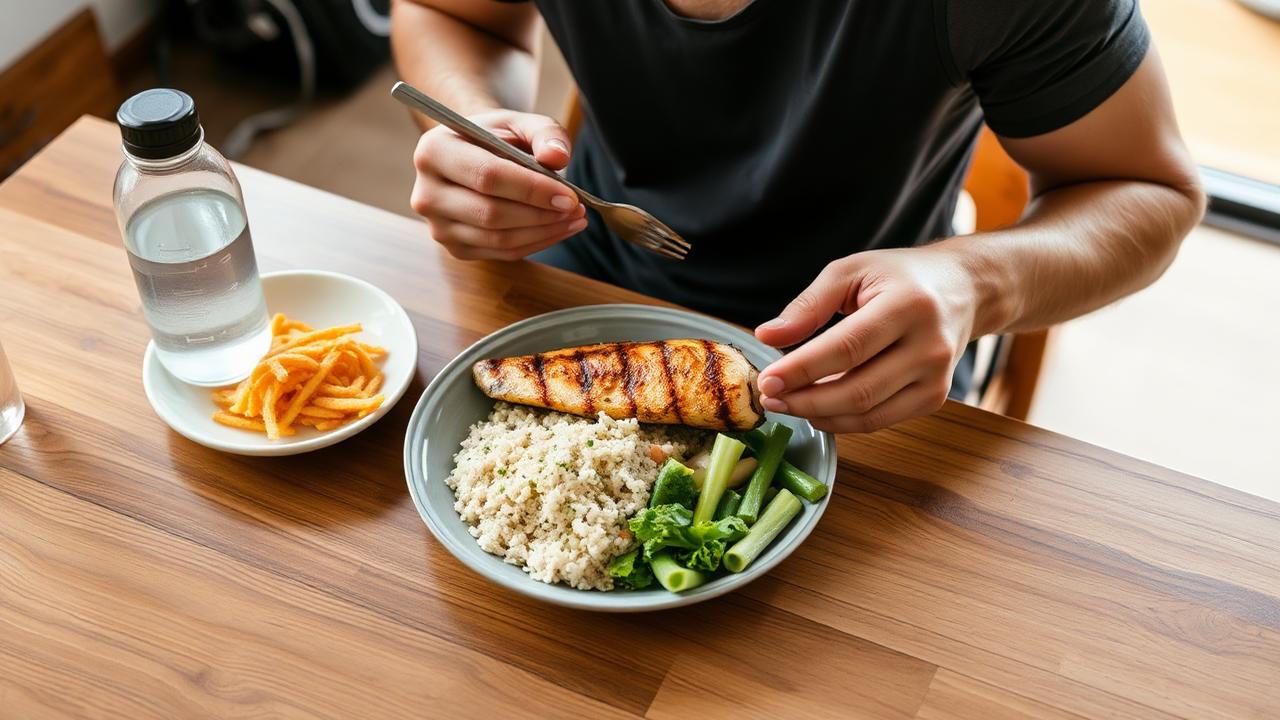
Nutrient timing is one of those topics where the truth lies between two extremes. Some sources promise that perfectly timed meals will transform your performance overnight. Others insist timing is irrelevant as long as your daily totals are right. The honest research, summarised by organisations like the Academy of Nutrition and Dietetics and the International Society of Sports Nutrition, suggests timing matters meaningfully — but mostly in the context of training, recovery, and steady energy through the day. This guide walks through what actually works, in practical terms anyone can use.
Why Timing Matters (But Less Than Total Intake)
The single biggest driver of body composition, energy, and recovery is what you eat across the whole day and week — total calories, protein, fibre, micronutrient quality. Nutrient timing is the layer you add on top once those basics are in place. For someone eating randomly, fixing total intake matters far more than tweaking meal times. For someone who already eats well, timing can meaningfully improve workout performance, recovery, and stable energy.
Researchers at Harvard Health Publishing and the NIH consistently emphasise this hierarchy: quantity, then quality, then timing. Get the first two right before obsessing over the third.
Distributing Protein Across the Day
Of all timing variables, protein distribution is the most consistently supported by research. Spreading protein across 3–5 meals of roughly 0.3–0.4 g per kg of body weight each tends to maximise muscle protein synthesis better than getting the same total in one or two large meals. For a 70 kg adult, that's roughly 20–30 g of protein per meal, four times a day.
Practical examples include eggs and oats at breakfast, lentils and rice at lunch, paneer or chicken in an afternoon snack or wrap, and fish or tofu with vegetables at dinner. The pattern matters because muscle protein synthesis seems to plateau within a few hours of a protein-rich meal, so spreading intake keeps the signal active throughout the day.
Carbohydrate Timing for Energy and Workouts
Carbohydrates are the body's preferred fuel for moderate to high-intensity effort. Eating a balanced meal with slow-digesting carbohydrates 2–3 hours before a workout tends to support better performance than training fasted, especially for strength training and longer cardio sessions. Something like oats with fruit and yoghurt, or a small bowl of rice with dal and vegetables, is enough.
If you train early in the morning and cannot eat a full meal, a small snack 30–60 minutes before — a banana with a spoonful of nut butter, or a slice of toast with honey — can make a noticeable difference. Verywell Fit and the Academy of Nutrition and Dietetics both highlight this small pre-workout window as one of the easiest practical gains for everyday exercisers.
Post-Workout: The 'Anabolic Window' in Real Life
The idea that you have a 30-minute 'anabolic window' after training is largely outdated. Recent reviews suggest the window is closer to 2–3 hours wide for most recreational athletes, and that what matters most is getting a balanced meal with protein and carbohydrates within that range. A post-workout meal of 20–40 g of protein plus carbohydrates (a chicken-and-rice bowl, a lentil-and-roti meal, a Greek yoghurt parfait with fruit and granola) supports muscle repair and glycogen replenishment.
If you train fasted in the morning, getting a meal within 60–90 minutes of finishing becomes more important. If you have already eaten before training, the urgency drops significantly. The body is more forgiving than fitness marketing suggests.
Hydration is part of recovery
Aim to replace roughly 500–700 ml of water per hour of sweaty training, and include some sodium and potassium-rich foods (curd, banana, vegetables, a pinch of salt) if sessions are long or hot. Dehydration delays recovery and dulls next-day energy more than most people realise.
Eating for Steady Energy Through the Day
Mid-afternoon crashes are usually not a sleep problem — they are a blood sugar problem. Meals dominated by refined carbohydrates (sugar, white bread, sweet drinks, biscuits) cause sharp glucose spikes followed by reactive drops, leaving you tired and craving more sugar. Building meals around protein, fibre, and slow carbohydrates flattens the curve and stabilises energy.
A practical template: every meal contains a palm of protein, two cupped hands of vegetables or fruit, a fist-sized portion of slow carbohydrate, and a thumb of healthy fat. Snacks follow the same logic — fruit with nuts, yoghurt with seeds, hummus with vegetables, paneer with a chapati — rather than biscuits or sugary drinks. The Cleveland Clinic and Mayo Clinic both publish similar plate templates that work across cuisines.
Practical Day-in-the-Life Examples
For a morning exerciser: small snack at 6 am (banana, almond butter), train at 6:30, breakfast at 8 (oats with eggs and fruit), lunch at 1 (dal, brown rice, sabzi, salad), snack at 5 (yoghurt with seeds and fruit), dinner at 8 (grilled fish or tofu with vegetables and a small portion of rice).
For an evening exerciser: balanced breakfast, balanced lunch with adequate carbs, mid-afternoon snack with protein and carbs at 4–5 (sandwich or wrap), train at 6:30, dinner at 8 with protein, vegetables, and slow carbs. The total intake is roughly the same — the distribution shifts to match the day.
For shift workers or irregular schedules, the principle is the same: anchor a protein source and vegetables into every eating window, and avoid going more than 4–5 hours without food during waking hours unless you are deliberately fasting under guidance.
Common Mistakes and Myths
Skipping breakfast then overeating at night, leading to poor sleep and unstable next-day energy. Training hard in a fasted state every day, which works for some and crushes others. Believing that protein 'goes to waste' if you eat more than 30 g at a time — research shows the body uses larger doses, just less efficiently per gram. Treating nutrient timing as more important than total food quality, which is almost always backwards.
Most people will get more benefit from cleaning up overall intake and spreading protein across the day than from any sophisticated timing strategy.
A Practical Day of Eating for an Active Person
Theory is one thing; a real plate is another. Here is what a balanced day of nutrient timing might look like for a moderately active adult weighing around 70 kg, training in the early evening. The goal is steady energy through the day, a comfortable pre-workout fuel window, and a recovery meal that supports tomorrow's training.
Breakfast (8 am): two eggs scrambled with spinach and tomato, two slices of whole-grain toast, half an avocado, and a piece of fruit. Total: around 30 g of protein, 50 g of carbohydrates, 20 g of fat — a sustaining start that doesn't spike blood sugar. Mid-morning (11 am): a small Greek yoghurt with berries and a handful of almonds if hungry; otherwise skip and drink water. Lunch (1.30 pm): a generous bowl of brown rice or quinoa with grilled chicken or tofu, a large mixed salad, beans, and olive oil. Around 35 g of protein and plenty of fibre to carry you through the afternoon.
Pre-workout (5 pm): a banana with a tablespoon of peanut butter, or a slice of toast with honey — about 30 g of easy carbohydrate roughly an hour before training. Post-workout (7.30 pm dinner): grilled fish or paneer, sweet potato or rice, and roasted vegetables — about 35 g of protein and ample carbohydrate to replenish glycogen. Optional evening (9 pm): a small glass of milk or a casein-rich snack such as cottage cheese with fruit, which provides slow-release protein overnight.
Vegetarian and vegan adjustments
Plant-based eaters can hit the same targets by combining grains, legumes, soya, dairy alternatives fortified with B12 and calcium, and a wider variety of protein sources across the day. Lentils, chickpeas, tofu, tempeh, edamame, seitan, and Greek-style soya yoghurts are all useful staples. The Academy of Nutrition and Dietetics has consistently confirmed that well-planned vegetarian and vegan diets fully support performance and recovery.
Special Situations: Morning Training, Long Sessions, and Travel
Early morning training is a common headache. If you train within thirty to sixty minutes of waking, a small, easy-to-digest carbohydrate snack — half a banana, a few dates, a slice of toast with jam — is usually enough to lift performance without causing stomach discomfort. Save the bigger, protein-led meal for after the session. If your workout is over ninety minutes long, plan for in-session fuel: thirty to sixty grams of easy carbohydrate per hour from sports drinks, gels, or simple foods like raisins keeps blood sugar steady and protects performance late in the session.
Long endurance sessions also need a hydration plan. Most adults need roughly five hundred millilitres of fluid per hour of exercise, more in heat. For sessions longer than an hour or in hot conditions, add electrolytes (sodium especially) through a sports drink or a pinch of salt in a water bottle. The American College of Sports Medicine has detailed position statements on hydration that are worth reading if you train in heat or for events.
Travel breaks every routine. The simplest survival kit is a bag of nuts, a tub of overnight oats, a protein bar you actually like, and a refillable water bottle. Aim for one source of protein, one source of fibre, and water at every airport meal. You do not need perfection on the road; you need enough structure to land at your destination feeling like yourself.
Key Takeaways
- Total intake matters most; timing fine-tunes the result.
- Spread protein into 3–5 meals of 20–30 g for muscle and satiety.
- Eat a balanced meal 2–3 hours before training for better performance.
- The post-workout window is 2–3 hours wide for most people.
- Stable energy comes from protein, fibre, and slow carbs at every meal.
Frequently Asked Questions
Do I need to eat immediately after a workout?
Only if you trained fasted. Otherwise, a balanced meal within 2–3 hours covers recovery for most recreational exercisers.
Is breakfast really the most important meal?
Not inherently. A balanced breakfast helps many people with energy and appetite control, but timing what you eat across the whole day matters more than any single meal.
Should I take a protein shake?
If you struggle to hit your daily protein from food, shakes are a convenient, evidence-supported option. They are not magical — food is usually preferable.
Is late-night eating bad for you?
Not by itself. Large, heavy meals close to bedtime can disrupt sleep, but a light protein-and-carb snack 60–90 minutes before bed is fine for most people.
Conclusion
Nutrient timing is the polish on a well-built nutrition plan. Get the basics right — protein, vegetables, slow carbs, good fats, enough water — and then layer in sensible timing around your training and your day. Done consistently, this gentle structure keeps energy steady, recovery sharp, and meals enjoyable. Always consult a qualified healthcare professional before making major changes to your nutrition, especially if you have a medical condition.
Sources & Further Reading
More on Healthy Eating
- → Decoding Food Labels: Hidden Sugars, Additives, and Processed Foods
- → Healthy Eating Habits for Beginners: A Simple Starter Guide
- → 10 Foods That Naturally Boost Energy (No Caffeine Crash)
You may also like
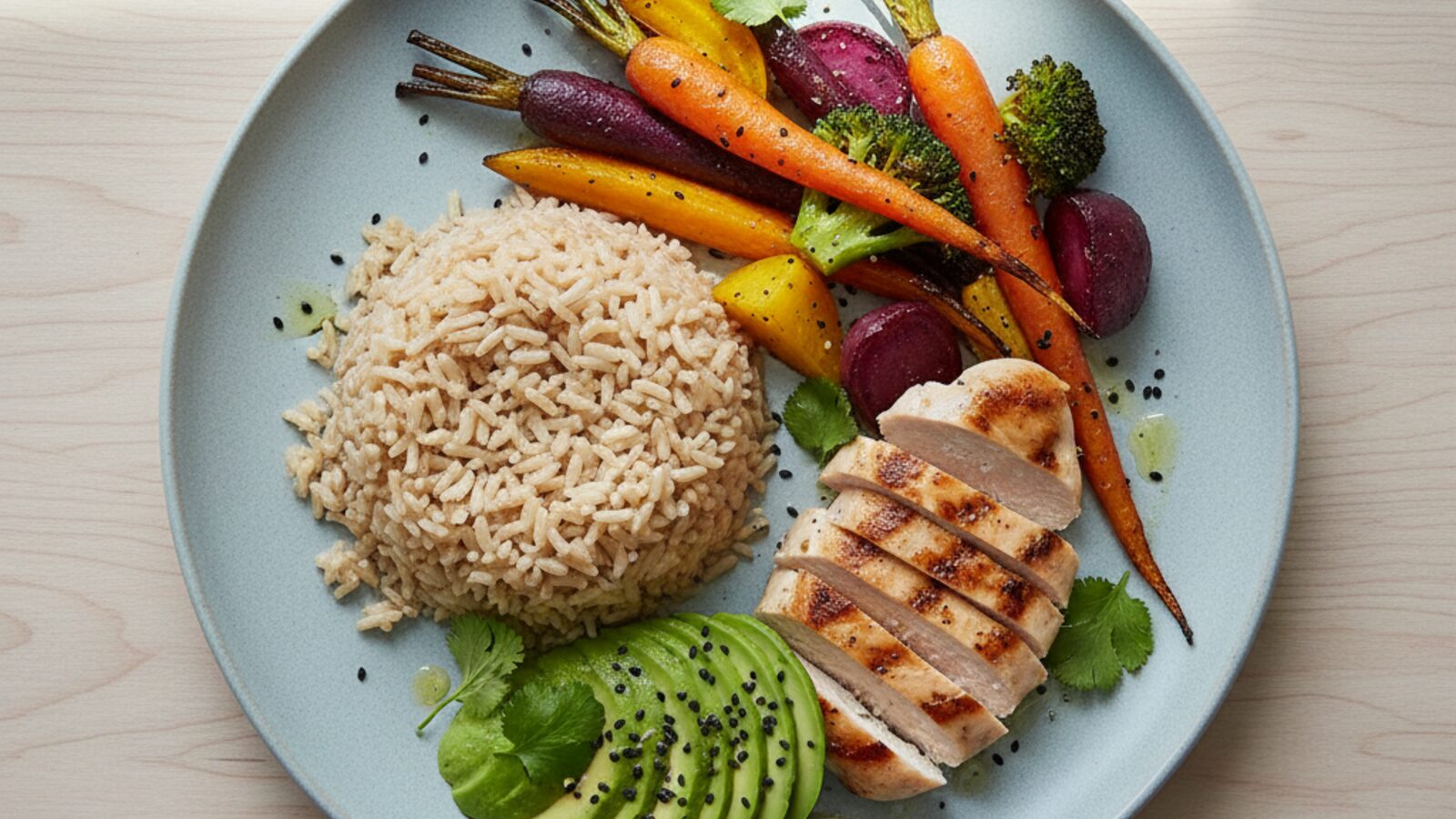
Healthy Eating Habits for Beginners: A Simple Starter Guide
If you've ever felt overwhelmed by nutrition advice, this calm, beginner-friendly guide breaks healthy eating down into small habits you can start today.
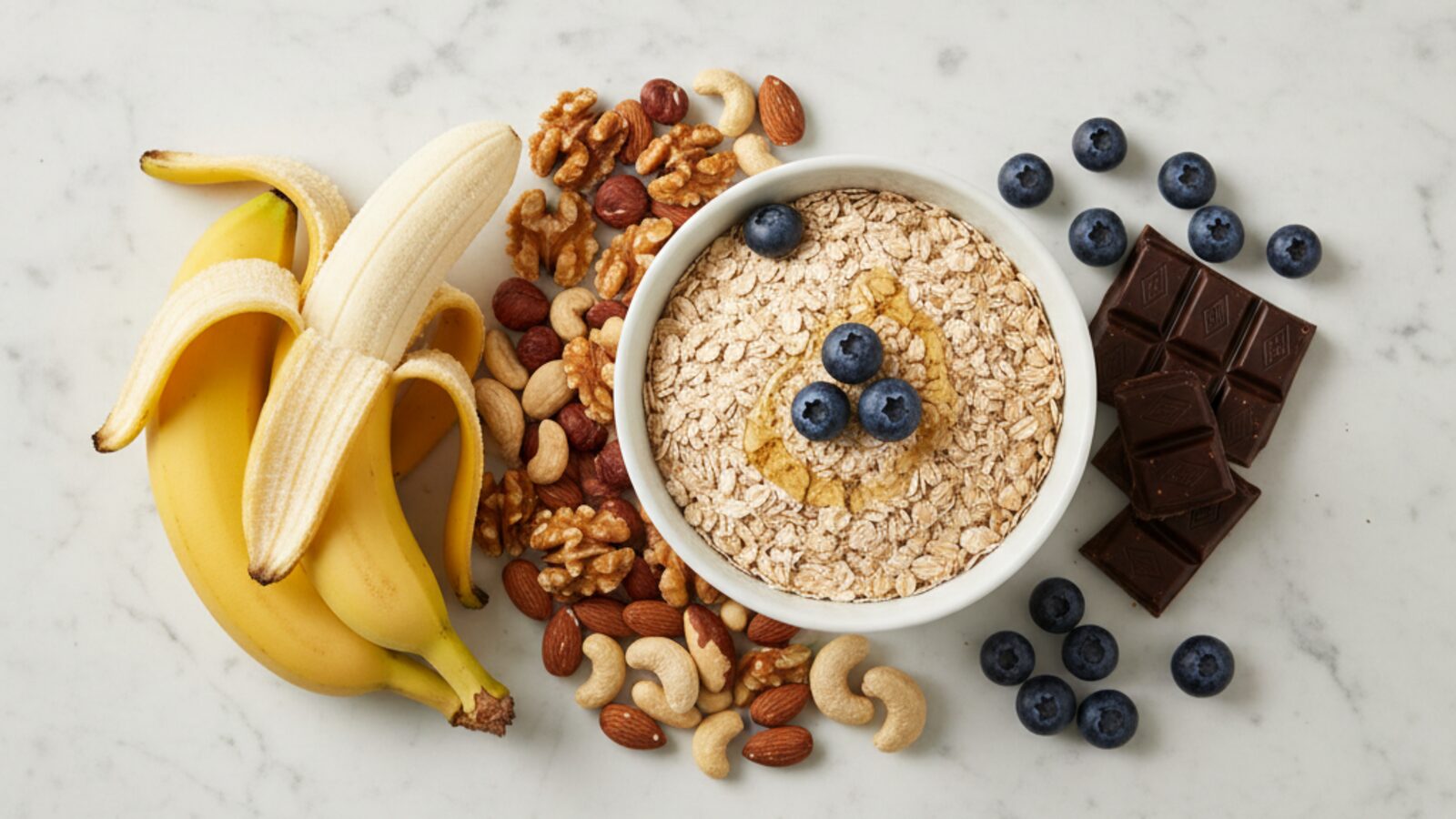
10 Foods That Naturally Boost Energy (No Caffeine Crash)
Ten everyday foods that deliver real, sustained energy — not a caffeine spike followed by an afternoon crash.
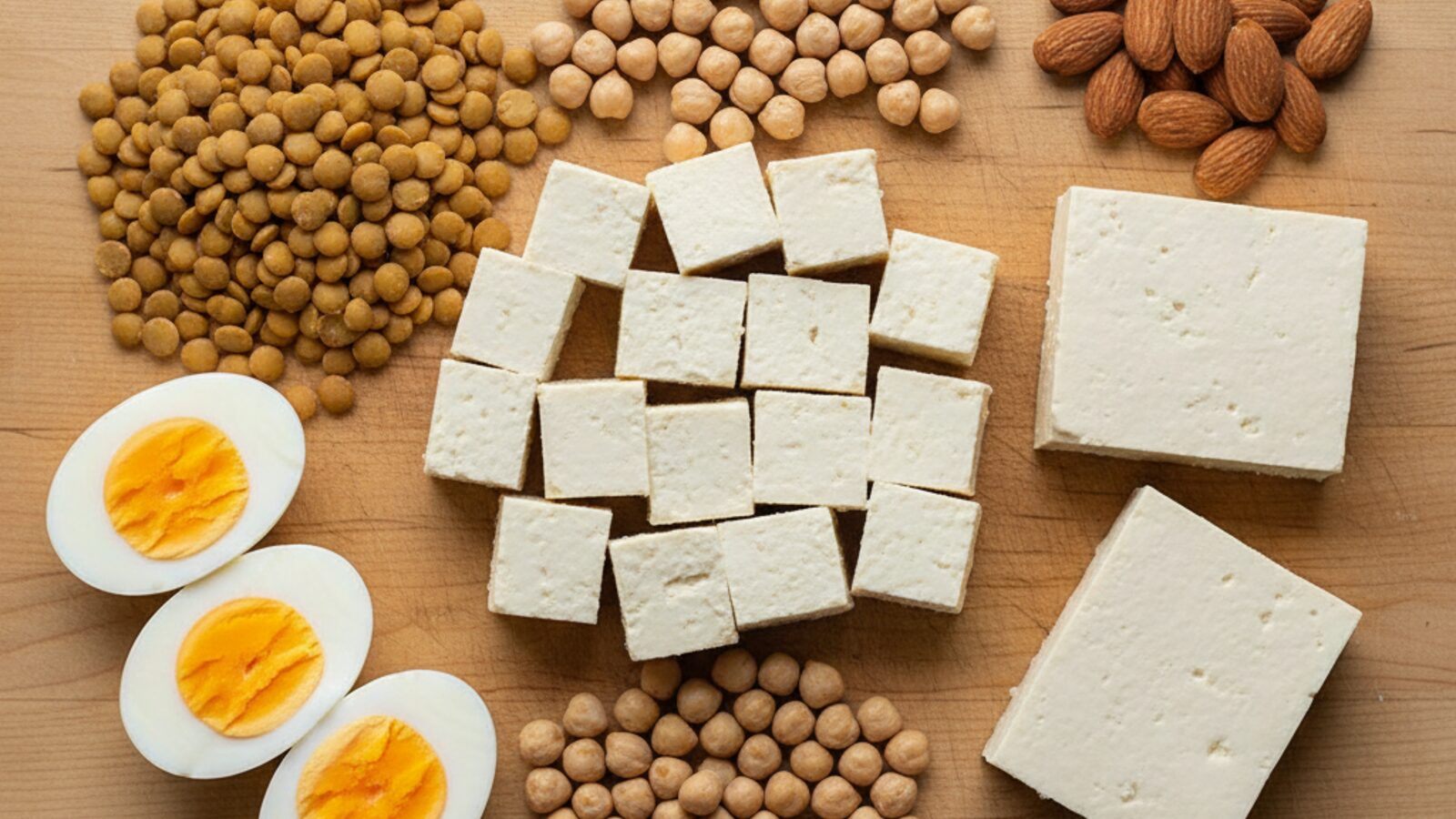
20 Best Protein-Rich Vegetarian Foods (With Grams Per Serving)
A practical, ranked list of vegetarian protein sources with grams per serving — so you can actually hit your protein target.