Healthy Eating Habits for Beginners: A Simple Starter Guide
If you've ever felt overwhelmed by nutrition advice, this calm, beginner-friendly guide breaks healthy eating down into small habits you can start today.

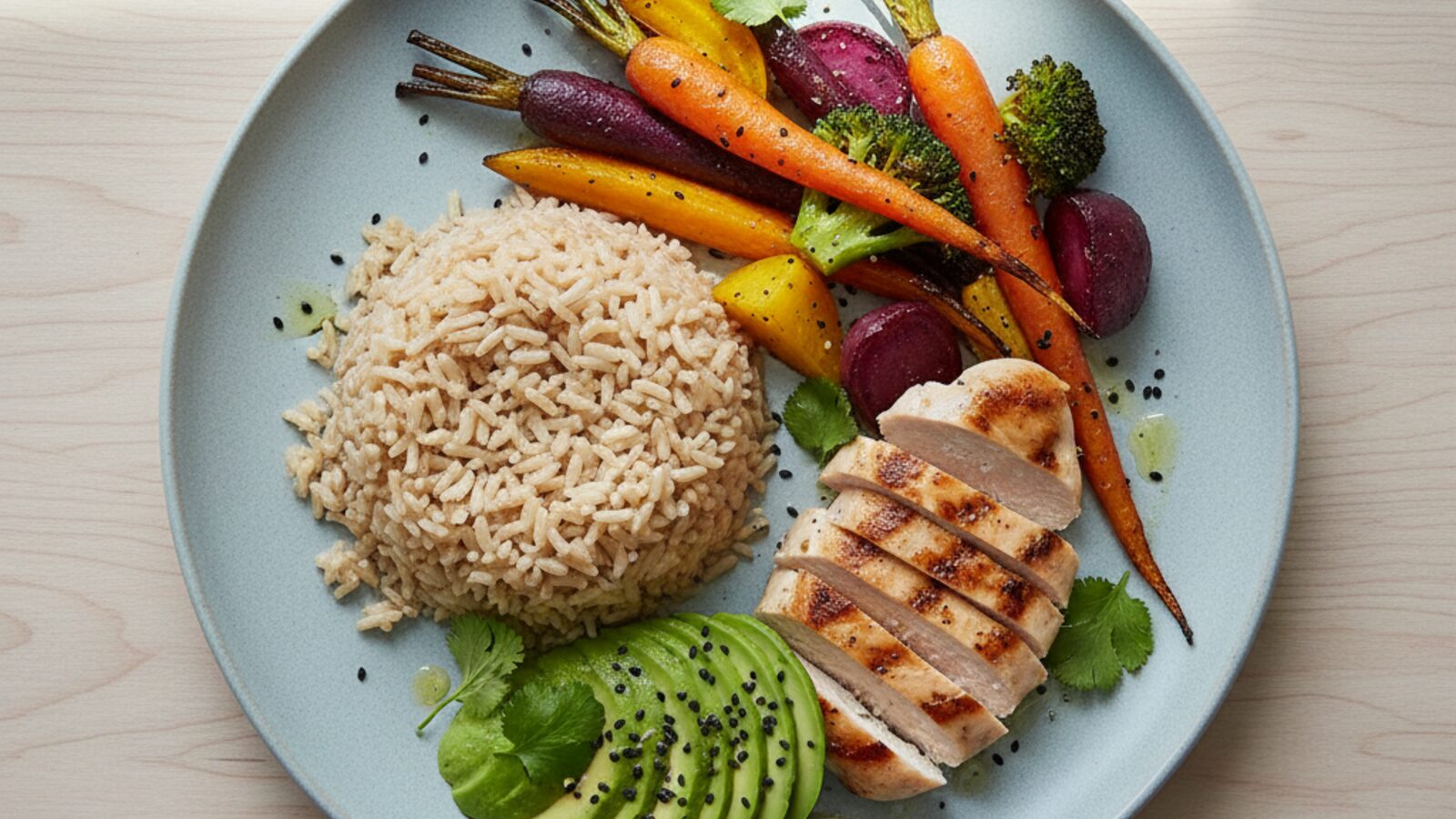
Most healthy-eating advice fails because it asks you to overhaul your life overnight. Real change is quieter. It looks like swapping one snack, drinking one more glass of water, and learning what a balanced plate actually means. This guide gives you a calm starting point — no calorie spreadsheets, no guilt, just simple habits you can carry for years.
What Healthy Eating Actually Means
Healthy eating is not a strict menu. It is a pattern — most meals contain vegetables, a protein source, a smart carbohydrate, and a healthy fat, with enough water in between. The World Health Organization recommends at least 400g of fruit and vegetables per day for adults, plus limited added sugar (under 10% of calories) and saturated fat (under 10% of calories). That single sentence captures more nutrition science than most viral diet books.
The reason patterns matter more than perfection is simple: one cookie does not undo a week of vegetables, just like one salad does not erase a week of takeout. Aim for an 80/20 balance and your body will thank you over months, not days. Long-term research from the Harvard Nurses' Health Study shows that small, consistent changes in diet quality reduce the risk of heart disease, diabetes and early death far more than dramatic short-term diets.
Another myth to drop: there are no universally 'bad' foods, only bad frequencies. White rice on Tuesday is dinner. White rice three times a day for a year is a metabolic problem. Train yourself to think in weeks, not meals, and most food guilt disappears.
The Beginner's Plate Method
Forget tracking macros on day one. Use the plate method instead — fill half your plate with non-starchy vegetables (spinach, broccoli, peppers, cabbage, salad greens, tomatoes), one quarter with a protein (eggs, fish, chicken, paneer, tofu, lentils, beans), and one quarter with a slow-digesting carbohydrate like brown rice, sweet potato, oats, millet, or quinoa. Add a thumb of healthy fat — olive oil, avocado, a small handful of nuts, or seeds.
Repeat that template for lunch and dinner six days a week and you have already solved 80% of nutrition without buying anything. The plate is a visual shortcut that bypasses the need for measuring cups, food scales, or apps.
Why the plate method works
It removes the math. You see the proportions before you eat, which keeps portion sizes in check without weighing food. It also guarantees fibre and protein at every meal, two nutrients that control hunger better than anything else.
Protein triggers satiety hormones (GLP-1, peptide YY) that tell your brain you are done eating. Fibre slows digestion so blood sugar rises gradually instead of spiking and crashing. Together they prevent the 4pm slump that drives most snacking.
How to adapt it for Indian, Asian, or Mediterranean meals
The plate method works with any cuisine. A South Indian thali becomes balanced when half is sabzi and salad, one quarter is dal or curd, and one quarter is rice or roti. A Mediterranean bowl is half roasted vegetables, one quarter grilled fish or chickpeas, one quarter farro or couscous, finished with olive oil and lemon.
Stir-fries, grain bowls, tacos and even pasta dishes can be rebuilt with the same ratios. Cuisine is flavour. The plate is structure.
Five Habits to Start This Week
Pick one or two habits from the list below and ignore the rest. Stack new habits only when the previous ones feel automatic. Most people fail not because they tried too little but because they tried everything on Monday.
- Drink a full glass of water before each meal. - Add one vegetable to every lunch and dinner. - Eat a protein source at breakfast (eggs, Greek yogurt, tofu, lentils, paneer). - Replace sugary drinks with sparkling water, unsweetened tea, or black coffee. - Stop eating when you feel 80% full — pause for two minutes before second helpings.
Each of these takes under 60 seconds to execute, requires no special groceries, and compounds. After 30 days of habit one alone, most people drink an extra litre of water daily — enough to noticeably reduce headaches, improve focus, and curb mistaken hunger cues.
Build a Simple Grocery List
A beginner pantry needs surprisingly little: oats, eggs, beans, frozen vegetables, frozen berries, plain yogurt, olive oil, a few spices, and any protein you enjoy cooking. Add fresh greens and one or two seasonal fruits each week. Total cost in most Indian and Asian cities: under ₹1,500 for a week of meals for one person.
Walk the perimeter of the store first — that is where whole foods live. Use the centre aisles for staples like oats, lentils, and olive oil, and skim past the rest. The packaged-food middle is where most processed sugar, refined oils and sodium hide.
Reading a nutrition label in 10 seconds
Flip the package. Check three numbers: added sugar (target under 5g per serving), sodium (target under 400mg), and the ingredient list length. If the list is longer than five items or contains words you cannot pronounce, put it back. This rule alone weeds out most ultra-processed food.
Ignore front-of-pack marketing — 'low fat', 'high protein', 'natural', and 'multigrain' are usually weasel words. The back-of-pack panel rarely lies.
What to Eat in a Typical Day
Breakfast: oats cooked in milk with berries and a spoon of peanut butter, or a 3-egg veggie omelette with a slice of whole-grain toast. Mid-morning: a piece of fruit and a small handful of almonds. Lunch: a grain bowl with greens, chickpeas, roasted vegetables, and tahini, or two rotis with dal, sabzi and salad. Snack: an apple with peanut butter or roasted chana. Dinner: grilled fish or paneer, a baked sweet potato, and a big side salad with olive oil.
This sample day delivers roughly 1,800–2,000 calories with 90–110g of protein and 30g+ of fibre — a comfortable maintenance day for most adults. If you are taller, more muscular, or training hard, simply scale up portions of protein and slow carbs.
Common Beginner Mistakes (And the Fix)
Mistake 1 — Skipping breakfast then overeating at night. Skipping does not save calories; it shifts them to a worse time of day. Eat a real, protein-led breakfast within two hours of waking.
Mistake 2 — Drinking your calories. A daily 500ml fruit juice, sweetened latte, or soft drink adds 150–250 calories with zero satiety. Switch to water, black coffee, or unsweetened tea and most people lose 1–2 kg in a month without changing anything else.
Mistake 3 — Labelling foods as 'cheat' or 'clean'. This binary thinking creates guilt and binges. A samosa is a samosa, not a sin. Eat it, enjoy it, move on.
Mistake 4 — Eating too little protein. Most beginners eat 30–50g a day when their body needs 1.2–1.6g per kg of bodyweight — that is 70–120g for an average adult. Add a protein source to every meal and snack.
How to Stay Consistent for the Long Term
Consistency is built on three pillars: environment, identity and grace. Environment means making the right choice the easy choice — keep fruit on the counter, pre-wash salad greens on Sunday, hide the biscuit jar in a high cupboard. You do not have more willpower than your environment.
Identity means how you describe yourself. 'I am someone who eats a vegetable with lunch' is sticky. 'I am on a diet' has an expiry date. Habits last when they become part of who you are, not what you are doing this month.
Grace means letting bad days be just days. Missed your breakfast? Make the next meal a good one. Ate three slices of cake at a birthday? Walk home and eat normally tomorrow. Sustainable eating is just an unbroken series of restarts.
When to See a Professional
Most adults can build healthy eating habits without help. See a registered dietitian if you have type 2 diabetes, PCOS, IBS, a kidney condition, are pregnant or breastfeeding, are recovering from disordered eating, or have failed several diets in a row. Personalised plans address medical context that no generic guide can.
Avoid social-media nutritionists selling detoxes, cleanses, 21-day transformations or single-food may help with. Real nutrition is unglamorous, repetitive, and effective.
The Metabolic Science of Nutrient Density
To master healthy eating habits for beginners, it is essential to understand the biological hierarchy of how our bodies process food. Every bite triggers a complex cascade of hormonal responses, primarily involving insulin, ghrelin, and leptin. Insulin, often called the storage hormone, rises in response to carbohydrate intake to regulate blood sugar. When we prioritize whole grains and fibrous vegetables over refined sugars, we prevent the 'glucose spikes' that lead to energy crashes and increased fat storage. By focusing on steady energy release, you are not just 'eating clean'—you are actively managing your metabolic health and reducing the long-term risk of insulin resistance, a precursor to type 2 diabetes according to the CDC.
Beyond macronutrients, the science of satiety is governed by your hunger hormones: ghrelin (which signals hunger) and leptin (which signals fullness). A diet high in ultra-processed foods can desensitize these signals, making it difficult to feel satisfied even after a large meal. Incorporating lean proteins and healthy fats like monounsaturated fatty acids found in olive oil or avocados slows down gastric emptying. This means the food stays in your stomach longer, providing a sustained signal to your brain that you are fueled. This mechanistic approach to eating moves the focus away from 'willpower' and toward physiological balance, making it much easier to maintain new habits without feeling deprived or constantly hungry.
Micronutrients and Cellular Energy
While calories provide the energy required for movement, micronutrients (vitamins and minerals) act as the spark plugs for cellular function. A common beginner hurdle is focusing solely on caloric restriction while ignoring the quality of those calories. For example, 100 calories of spinach provides a vastly different biochemical outcome than 100 calories of soda. The NIH notes that chronic micronutrient deficiencies can lead to fatigue, brain fog, and weakened immunity, which often derail a new healthy eating plan. By prioritizing nutrient-dense foods, you ensure your mitochondria—the powerhouses of your cells—have the cofactors they need to produce ATP efficiently.
The Psychology of Mindful Consumption
One of the most transformative habits for beginners is the practice of mindful or intuitive eating. Modern lifestyle often encourages eating while distracted—at a desk, in front of a television, or while scrolling through a smartphone. This disconnect prevents the brain from accurately registering the signals of satiety, often leading to overconsumption of 20% to 30% more calories than intended. Mindful eating involves engaging all senses: noticing the texture of the grain, the vibrant colors of the vegetables, and the specific flavors of the proteins. Research from Harvard Health suggests that by slowing down and chewing thoroughly, you allow the 20-minute lag between the stomach being full and the brain receiving the signal to close, effectively ending the meal at the perfect moment.
Developing a psychological 'hunger scale' is a practical tool for sustainable eating. Before reaching for a snack, assess your hunger on a scale of one to ten. Are you eating because of physiological hunger, or is it a response to stress, boredom, or a social cue? For many beginners, reclaiming the ability to distinguish between emotional hunger and physical hunger is the missing link in weight management. When you choose to eat based on internal cues rather than external schedules, you naturally begin to regulate your intake without the need for restrictive macro-tracking or calorie counting, leading to a more harmonious relationship with food that can last a lifetime.
Redesigning Your Kitchen and Meal Prep Strategy
Transitioning to a healthy diet requires an environment that supports your goals. The concept of 'choice architecture' in behavioral economics suggests that we are most likely to eat what is visible and easily accessible. To transition successfully, start by redesigning your kitchen landscape. Place pre-washed fruits and vegetables at eye level in the refrigerator and keep whole grains in clear containers on your counter. Conversely, move highly processed snacks or sugary treats to high shelves or opaque bins where they are out of sight. This small shift reduces the 'cognitive load' required to make a healthy choice; when you are tired or stressed, you don't have to fight your environment to eat well.
Batch prepping—rather than full-scale meal prepping—is often the best entry point for beginners. Instead of spending five hours on a Sunday cooking elaborate meals, focus on preparing 'building blocks.' Roast a large tray of seasonal vegetables, boil a pot of quinoa, and grill several chicken breasts or prepare two cans of chickpeas. Having these versatile components ready allows you to assemble a balanced plate in under five minutes on a busy Tuesday night. This 'assembly-line' approach mimics the convenience of fast food while delivering the nutritional profile of a home-cooked meal, effectively removing the logistical barriers that often lead to ordering takeout.
Navigating the Grocery Store for Success
A successful grocery trip is the foundation of a healthy week. Beginners should aim to spend 80% of their time in the 'perimeter' of the grocery store, where fresh produce, meats, and dairy are typically located. The inner aisles often contain the ultra-processed items. However, do not fear the frozen aisle; frozen vegetables and fruits are often flash-frozen at peak ripeness, preserving their nutrient density as effectively as—and sometimes better than—fresh produce that has traveled thousands of miles. Check labels for added sugars and excessive sodium to ensure your pantry staples align with your health goals.
Nuance in Nutrition: Who Should Take Extra Care?
While healthy eating is generally beneficial for everyone, there are specific considerations for different life stages and medical conditions. For example, pregnant individuals need to prioritize folate, iron, and iodine, according to ACOG guidelines, while avoiding certain unpasteurized foods. Conversely, older adults may require higher protein intake to mitigate sarcopenia (age-related muscle loss) and increased Vitamin B12 and Vitamin D, as absorption can decrease with age. If you belong to a specific demographic, your 'healthy' plate might look slightly different from a general guide, emphasizing the importance of tailoring these habits to your unique physiological needs.
It is also important to note that individuals with a history of disordered eating or those with chronic kidney disease (CKD) should approach dietary changes with caution. For those with CKD, high-protein or high-potassium 'health' foods (like spinach or lentils) may actually be harmful depending on their stage of illness and require a physician's oversight. Similarly, if your focus on healthy eating becomes obsessive or leads to social isolation, it may be a sign of orthorexia. In these cases, the focus should shift from strict adherence to 'clean' foods to a more flexible approach that prioritizes mental health and social well-being alongside physical nutrition.
Cultural Adaptability and Flavor Profiles展開
Standard nutritional advice often centers on Western ingredients, but the principles of healthy eating—balance, fiber, and whole foods—are universal across all cultural cuisines. For beginners from diverse backgrounds, there is no need to abandon traditional dishes in favor of kale salads. Whether it's a lentil dhal, a vegetable stir-fry, or a bean-based stew, ancestral diets are often naturally rich in the fiber and plant compounds that modern nutrition seeks to replicate. The key is in the preparation: using heart-healthy fats, reducing refined sugars, and ensuring the vegetable-to-starch ratio aligns with the beginner plate method mentioned earlier in this guide.
Incorporating diverse spices and herbs is not just about flavor; it is about increasing the antioxidant capacity of your meals. Ingredients like turmeric, ginger, garlic, and cumin have been used for centuries in traditional medicine and are now recognized by the Mayo Clinic and other institutions for their anti-inflammatory properties. For a beginner, learning to season food with herbs rather than salt can significantly reduce sodium intake, helping to manage blood pressure without sacrificing the enjoyment of the meal. Exploring global cuisines also prevents 'diet boredom,' making it more likely that you will stick to your healthy eating habits because you genuinely look forward to the flavors on your plate.
Health-Conscious Cooking Techniques
The way food is prepared can significantly impact its nutritional value. For many beginners, switching from deep-frying to air-frying, roasting, or steaming can drastically reduce calorie density while preserving flavor. For example, roasting vegetables caramelizes their natural sugars, making them more palatable without the need for heavy sauces. Understanding these basic culinary techniques allows you to transform humble ingredients into gourmet healthy meals, ensuring that your transition to better eating is a culinary upgrade rather than a sacrifice.
Beyond Perfection: Long-Term Sustainability and Resilience
A common mistake beginners make is adopting a 'perfectionist' mindset, where one slip-up—like eating a piece of cake at a birthday party—feels like a total failure. This often leads to the 'what the hell' effect, where a person abandons their healthy goals for the rest of the day or week. In reality, your body responds to the average of your choices over months and years, not a single meal. Adopting an 80/20 approach—where 80% of your intake is nutrient-dense and 20% allows for flexibility—is much more sustainable and prevents the binge-restrict cycle that ruins most lifestyle changes.
Consistency is built on resilience, not rigidness. When you have a day that doesn't go according to plan, the most important habit you can practice is the 'return to the next right thing.' This means your next snack or meal should be a balanced one, regardless of what you ate previously. This psychological flexibility reduces the stress associated with healthy eating. Over time, as your palate changes and your energy levels improve, you will likely find that you naturally crave the nutrient-dense foods more often because you have experienced how they allow your body to function at its peak. True success in healthy eating is not the absence of 'unhealthy' food, but the presence of a stable, nourishing foundation.
The Role of Hydration and Fluid Quality
Hydration is the often-overlooked cornerstone of any healthy eating plan. The body often confuses thirst signals for hunger, leading many beginners to snack when they are actually dehydrated. Drinking adequate water—approximately 2 to 3 liters daily as suggested by some NHS guidelines—supports digestion, helps the kidneys flush waste, and keeps your skin and joints healthy. If you find plain water unappealing, infusion with cucumber, mint, or citrus is a great way to increase intake without adding sugar. Furthermore, fiber and water work in tandem; as you increase your intake of fibrous vegetables and grains, you must increase your water intake to ensure the fiber can move efficiently through your digestive tract.
Alcohol and sugary beverages represent a significant source of 'empty calories' that can stall progress. These drinks provide energy but no nutritional value and can lead to fluctuations in blood sugar that trigger cravings later. For a beginner, transitioning from soda or sweetened lattes to sparkling water or herbal teas can result in immediate improvements in energy stability and weight management. By being intentional about what you drink as much as what you eat, you create a comprehensive approach to nutrition that fuels every system in your body from the inside out.
Key Takeaways
- Healthy eating is a pattern, not a strict menu — aim for 80/20.
- Use the plate method: half vegetables, quarter protein, quarter slow carbs.
- Pick one or two habits at a time; let them become automatic before adding more.
- Protein and fibre at every meal kill hunger better than willpower.
- Shop the perimeter of the grocery store for whole, single-ingredient foods.
Frequently Asked Questions
How long does it take to build a healthy eating habit?
Research suggests most habits stabilise in 60–90 days, not the 21 days that gets repeated online. Keep things small enough that you can repeat them on bad days.
Do I need to count calories as a beginner?
No. The plate method and protein-first meals handle portions automatically for most people. Counting is a tool for later if a specific goal stalls.
What if I have cravings every evening?
Evening cravings are usually about under-eating during the day or low protein at lunch. Add a real meal, sleep on time, and the cravings usually shrink within a week.
Conclusion
Healthy eating does not need a new app or a fresh start on Monday. It needs one small habit today, the same one tomorrow, and the patience to let it compound. Start with water, add a vegetable, and let the rest follow naturally.
Sources & Further Reading
More on Healthy Eating
- → Nutrient Timing: How to Optimize Meals for Energy and Recovery
- → Decoding Food Labels: Hidden Sugars, Additives, and Processed Foods
- → 10 Foods That Naturally Boost Energy (No Caffeine Crash)
You may also like
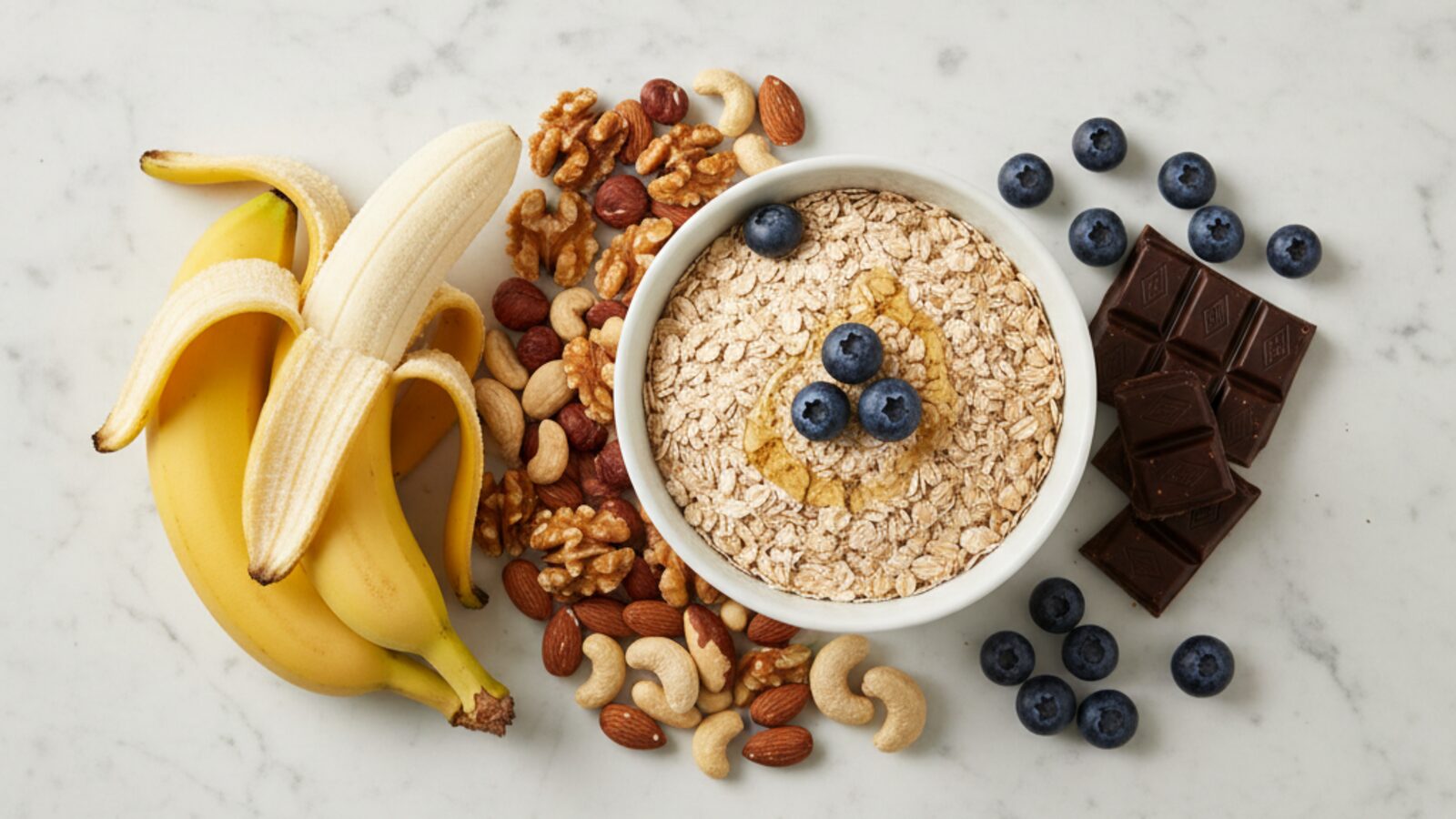
10 Foods That Naturally Boost Energy (No Caffeine Crash)
Ten everyday foods that deliver real, sustained energy — not a caffeine spike followed by an afternoon crash.
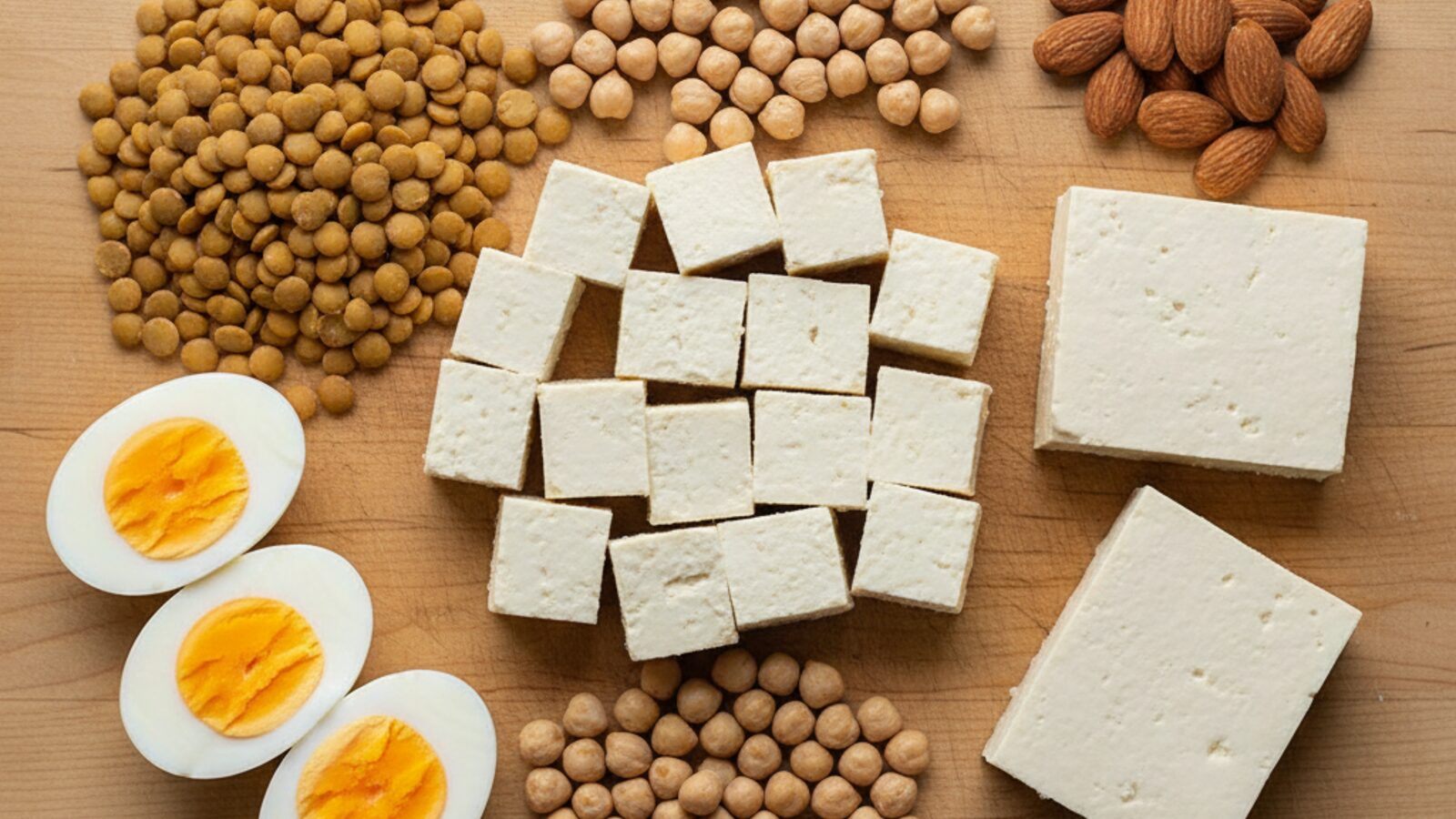
20 Best Protein-Rich Vegetarian Foods (With Grams Per Serving)
A practical, ranked list of vegetarian protein sources with grams per serving — so you can actually hit your protein target.
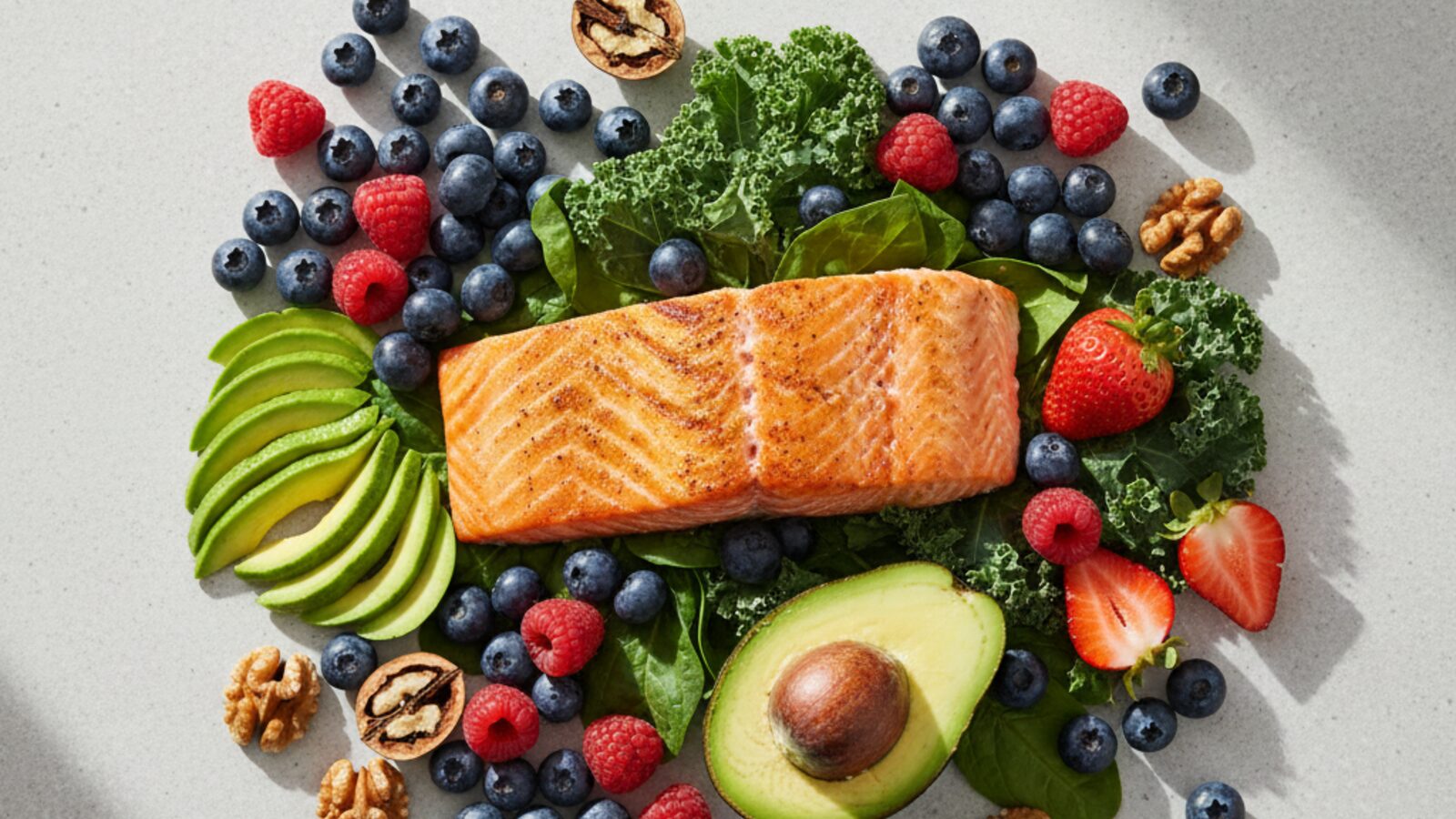
12 Best Foods for Healthy, Glowing Skin (Dermatologist-Approved)
Twelve everyday foods that genuinely improve skin clarity, hydration, and elasticity — backed by dermatology research.