12 Best Foods for Healthy, Glowing Skin (Dermatologist-Approved)
Twelve everyday foods that genuinely improve skin clarity, hydration, and elasticity — backed by dermatology research.

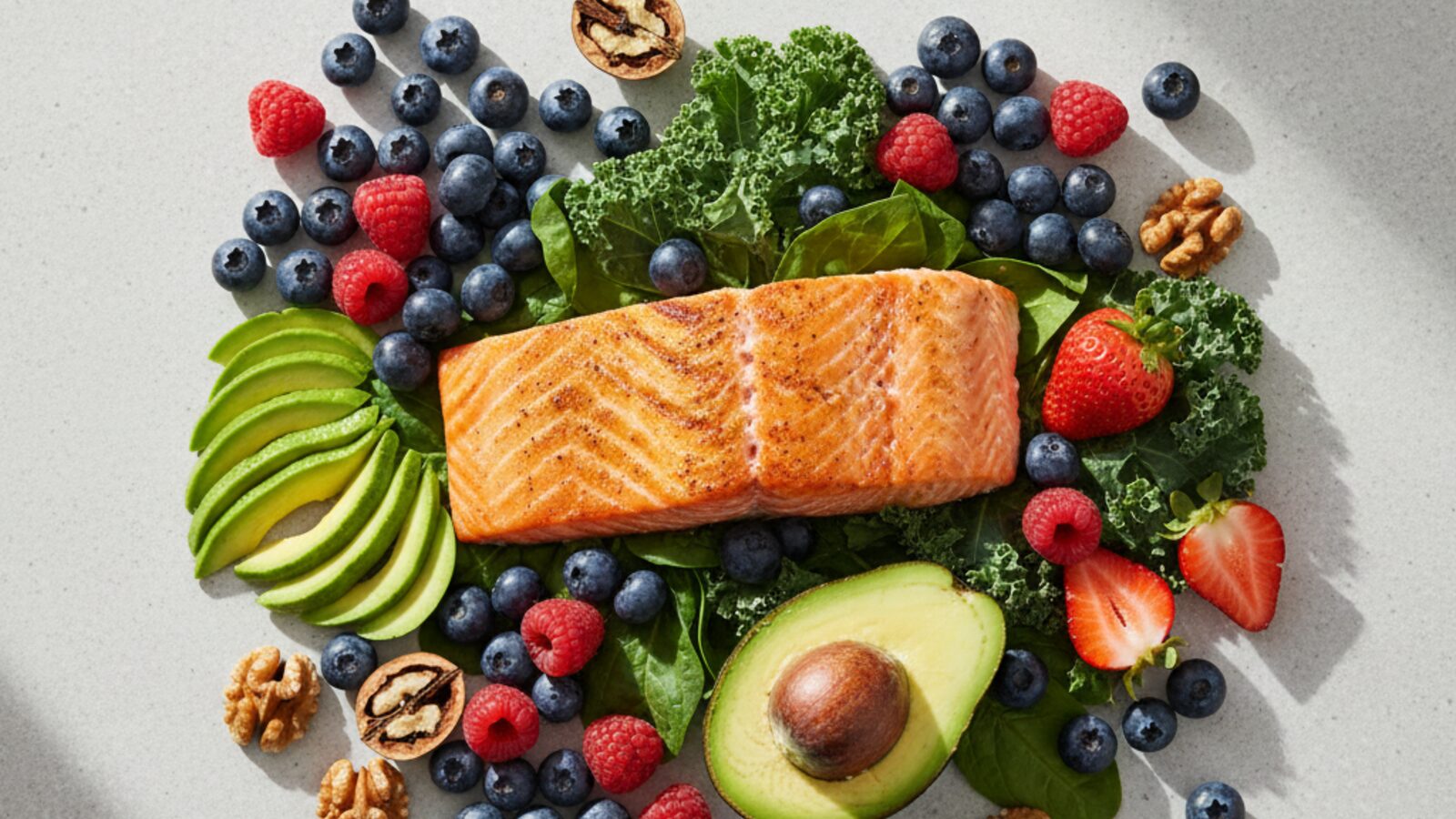
Glowing skin is built more in the kitchen than the bathroom. Here are twelve foods dermatologists actually recommend — high in the nutrients that support collagen, hydration, and skin barrier function.
Top 12 Skin-Friendly Foods
1. Fatty fish (salmon, sardines) — omega-3s and vitamin D 2. Avocados — healthy fats and vitamin E 3. Walnuts — omega-3s and zinc 4. Sunflower seeds — vitamin E and selenium 5. Sweet potatoes — beta-carotene 6. Red and yellow bell peppers — vitamin C 7. Broccoli — sulforaphane and zinc 8. Tomatoes — lycopene (sun protection) 9. Soya products — isoflavones for skin elasticity 10. Dark chocolate (70%+) — flavanols and antioxidants 11. Green tea — EGCG and skin hydration support 12. Berries — vitamin C and polyphenols
What to Limit
High-glycemic carbs (white bread, sugary drinks) and excess dairy correlate with acne in some studies. Reduce, don't necessarily eliminate.
Hydration Still Wins
No food list replaces drinking enough water. Combined with the foods above, skin texture changes are typically visible in 6–8 weeks.
The Science of the Gut-Skin Axis and Cellular Nutrition
The physiological connection between the digestive system and the integumentary system, often referred to as the gut-skin axis, is a cornerstone of modern nutritional dermatology. Research published in the 'Frontiers in Microbiology' journal suggests that the intestinal microbiome influences skin homeostasis by regulating systemic inflammation and the immune response. When we consume nutrient-dense foods, we are providing the building blocks for keratinocytes and fibroblasts—the cells responsible for skin structure and elasticity. Without adequate micronutrients, the skin barrier becomes compromised, leading to increased transepidermal water loss and sensitivity.
Furthermore, the metabolic processes that occur within our bodies generate reactive oxygen species (ROS), or free radicals. Environmental stressors like UV radiation and pollution accelerate this oxidative stress, which breaks down collagen fibers and damages DNA. A diet rich in exogenous antioxidants—such as vitamins C, E, and polyphenols—serves as a biological shield. These molecules neutralize free radicals before they can cause the structural degradation associated with premature aging. Understanding this cellular-level interaction transforms the concept of 'eating for beauty' from an aesthetic trend into a fundamental health necessity.
Micronutrients for Dermal Repair and Regeneration
Retinoids, the gold standard in topical skincare, find their natural counterparts in beta-carotene and other provitamin A carotenoids found in vibrant produce. According to the National Institutes of Health (NIH), Vitamin A is essential for regular cell turnover, preventing the buildup of dead skin cells that can clog pores and dull the complexion. When you consume foods rich in these compounds, your body converts them into active forms that assist in the repair of the skin's basement membrane, ensuring that new, healthy cells consistently move to the surface.
Vitamin C performs a dual role as both a potent antioxidant and a co-factor for the enzymes prolyl and lysyl hydroxylase, which are required for the stabilization and cross-linking of collagen molecules. Without systemic Vitamin C, the body cannot effectively synthesize the collagen protein, leading to skin laxity and delayed wound healing. Supplementing this with Vitamin E creates a synergistic effect; the two vitamins work together to regenerate one another, providing a comprehensive defense against lipid peroxidation in the skin's fatty layers.
The Role of Zinc and Selenium in Inflammation Control
Zinc is a trace mineral that acts as a soothing agent for the skin. It plays a critical role in protein synthesis and wound healing, making it particularly beneficial for individuals struggling with inflammatory conditions like acne or rosacea. By regulating oil production and inhibiting the growth of acne-causing bacteria, zinc acts as an internal balancer for the skin's sebum levels.
Selenium, on the other hand, is a powerful mineral that supports the enzyme glutathione peroxidase. This enzyme is one of the body's primary internal antioxidants, specifically protecting the skin from the inflammatory damage caused by UV exposure. Including Brazil nuts or seafood in your diet ensures that your body has the raw materials needed to maintain these protective enzymatic pathways.
Essential Fatty Acids and the Lipid Barrier Protection
Omega-3 fatty acids, primarily found in fatty fish, flaxseeds, and walnuts, are integral components of the skin's lipid barrier. The Mayo Clinic notes that these essential fats help maintain the 'seal' of the skin, keeping moisture in and irritants out. For individuals with inflammatory skin disorders such as psoriasis or atopic dermatitis, increasing omega-3 intake can significantly reduce the redness and scaling associated with these conditions. These fats inhibit the production of pro-inflammatory leukotrienes, which are often at the root of chronic skin irritation.
Beyond just the cell membrane, these healthy fats contribute to the overall texture and 'bounce' of the skin. A diet deficient in essential fatty acids often manifests as chronically dry, itchy, or follicularly keratotic skin (often called 'chicken skin'). By prioritizing monounsaturated and polyunsaturated fats over trans-fats and excessive saturated fats, you provide your skin with the flexibility and resilience it needs to withstand environmental fluctuations and the natural aging process.
Maximizing Nutrient Bioavailability Through Food Pairing
While the selection of skin-boosting foods is critical, the preparation and timing of these nutrients can alter their efficacy. For instance, many skin-loving vitamins, specifically A, D, E, and K, are fat-soluble. This means that eating a raw carrot without a source of healthy fat prevents the body from fully absorbing the beta-carotene within. Drizzling olive oil over a salad or pairing fruit with a handful of nuts is a strategic way to ensure the bioavailability of these nutrients. This ensures that the 'glow' you are eating for actually reaches the dermal layer.
Another common pitfall is the over-reliance on a 'superfood' in isolation. The skin requires a spectrum of nutrients working in concert; for example, iron is necessary for oxygen transport to skin cells, but its absorption is greatly enhanced by the presence of Vitamin C. A meal that combines spinach (iron) with citrus (Vitamin C) and avocado (healthy fats) creates a nutritional synergy that far outweighs the benefits of any single ingredient. Focusing on diverse, whole-food plates rather than isolated supplements is the gold standard for long-term skin health.
Cooking Methods and Probiotic Integration
Cooking methods also impact the nutrient profile of your skin-friendly diet. High-heat methods like deep-frying or charbroiling can create Advanced Glycation End-products (AGEs), which contribute to the breakdown of collagen and elastin. Instead, opting for steaming, poaching, or raw preparations helps preserve the integrity of heat-sensitive antioxidants like Vitamin C and certain B vitamins.
Additionally, fermented foods like kimchi, kefir, and sauerkraut should be considered essential 'side dishes.' By introducing beneficial probiotics into the digestive tract, you reduce systemic inflammation that often manifests on the surface of the skin as breakouts or dullness. A healthy gut environment is the prerequisite for the absorption of every other skin-boosting nutrient you consume.
Sustainability and the Timeline of Nutritional Results Limits
Transitioning to a skin-focused diet is not a quick fix but a long-term investment in your body's largest organ. Dermatologists often advise patients that while topical treatments may show results in weeks, the effects of nutritional changes typically take three to six months to manifest fully. This is because the skin's deep architectural layers require time to rebuild and the standard cycle of skin cell turnover takes approximately 28 to 40 days. Consistency is more important than perfection; a single 'cheat meal' high in sugar won't ruin your progress, but a consistent habit of high-glycemic intake will.
To make this sustainable, it is helpful to follow the 'crowding out' method. Rather than focusing on what you cannot eat, aim to fill your plate with skin-supporting vegetables and proteins first. When the body is satiated with nutrient-dense foods, the cravings for ultra-processed snacks—which often lead to glycation and inflammation—naturally diminish. Developing a lifestyle that prioritizes sleep and stress management alongside nutrition will further amplify the results, as high cortisol levels can negate many of the benefits provided by a healthy diet by triggering oil production and thinning the skin.
When to Consult a Professional and Medical Considerations
Dietary changes can profoundly impact the skin, but they are not a substitute for professional medical intervention in all cases. While nutrition can support the management of acne, it cannot cure severe cystic acne which may be rooted in hormonal imbalances or genetic factors. If you notice sudden, drastic changes in your skin—such as unexplained rashes, darkening of the skin in certain areas, or rapidly aging skin—it is essential to consult a board-certified dermatologist. These could be systemic indicators of underlying health issues that diet alone cannot address.
Furthermore, individuals with specific medical conditions should exercise caution. For example, those with a history of kidney stones should be mindful of excessive oxalate intake from spinach, while those on blood thinners must monitor their Vitamin K intake from leafy greens. Always consult with a healthcare provider before making significant dietary overhauls, especially if you are considering high-dose supplementation of specific skin-boosting nutrients like Vitamin A or Zinc, as toxicity can occur when these are taken in excess of the recommended daily allowance.
Complementary Therapy vs. Primary Treatment
For those with chronic conditions like eczema or psoriasis, a 'skin diet' should be viewed as a complementary therapy. While foods rich in omega-3s and antioxidants can reduce the severity of flare-ups, they work best when combined with prescribed topical or systemic treatments. A holistic approach that integrates clinical dermatology with evidence-based nutrition offers the highest probability of achieving and maintaining clear, healthy skin.
The Long-Term Outlook: Aging Gracefully Through Nutrition
As we age, the skin's natural production of collagen and hyaluronic acid begins to decline. This makes the dietary intake of these components—and the nutrients that protect them—even more vital. In your 20s and 30s, the focus should be on prevention and protection, primarily through high antioxidant intake to combat UV damage. As you move into your 40s and 50s, the focus shifts toward maintenance and repair, emphasizing proteins and healthy fats that support the structural integrity and moisture-retention capabilities of the skin.
Ultimately, the 'best' diet for healthy skin is one that you can maintain for decades, not just weeks. It is a Mediterranean-style pattern emphasizing whole grains, lean proteins, colorful produce, and healthy fats. By viewing your meals as internal skincare, you empower yourself to age gracefully. The radiance of the skin is a reflection of internal vitality; when you nourish your cells with the precision they require, the result is a complexion that is not only glowing but resilient, healthy, and functionally robust against the test of time.
Key Takeaways
- Omega-3s, vitamin C, vitamin E, and zinc are the four skin-critical nutrients.
- Sugar and ultra-processed foods are the biggest skin enemies.
- Hydration + balanced diet beats any topical product for long-term glow.
Frequently Asked Questions
Best fruit for skin?
Berries and citrus — vitamin C drives collagen synthesis.
Does dairy cause acne?
Some evidence suggests skim milk worsens acne in susceptible individuals. Track your own response.
Conclusion
Eat the rainbow, hydrate, sleep, and protect your skin from the sun. The mirror will eventually thank you.
Sources & Further Reading
More on Healthy Eating
- → Nutrient Timing: How to Optimize Meals for Energy and Recovery
- → Decoding Food Labels: Hidden Sugars, Additives, and Processed Foods
- → Healthy Eating Habits for Beginners: A Simple Starter Guide
You may also like
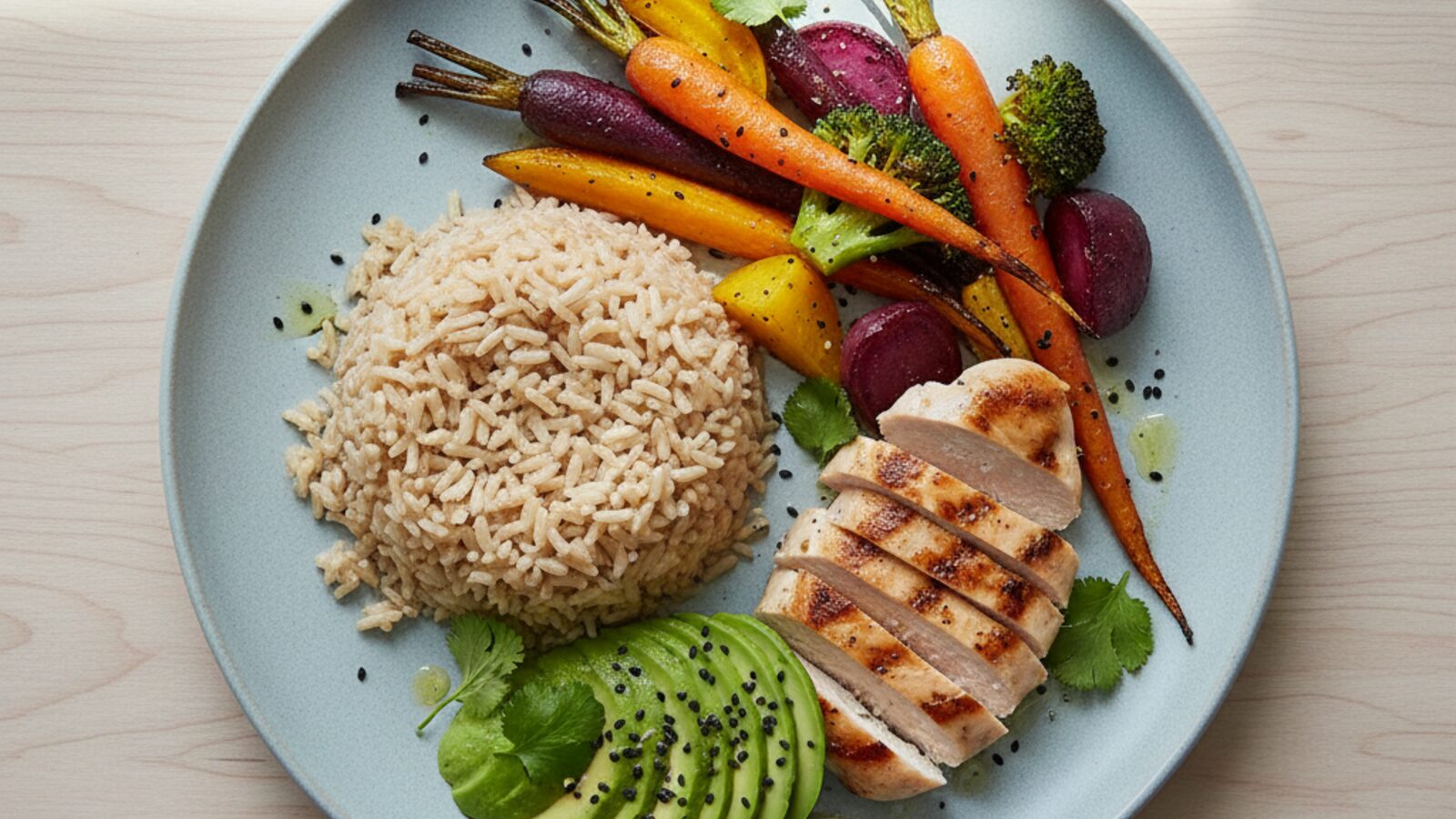
Healthy Eating Habits for Beginners: A Simple Starter Guide
If you've ever felt overwhelmed by nutrition advice, this calm, beginner-friendly guide breaks healthy eating down into small habits you can start today.
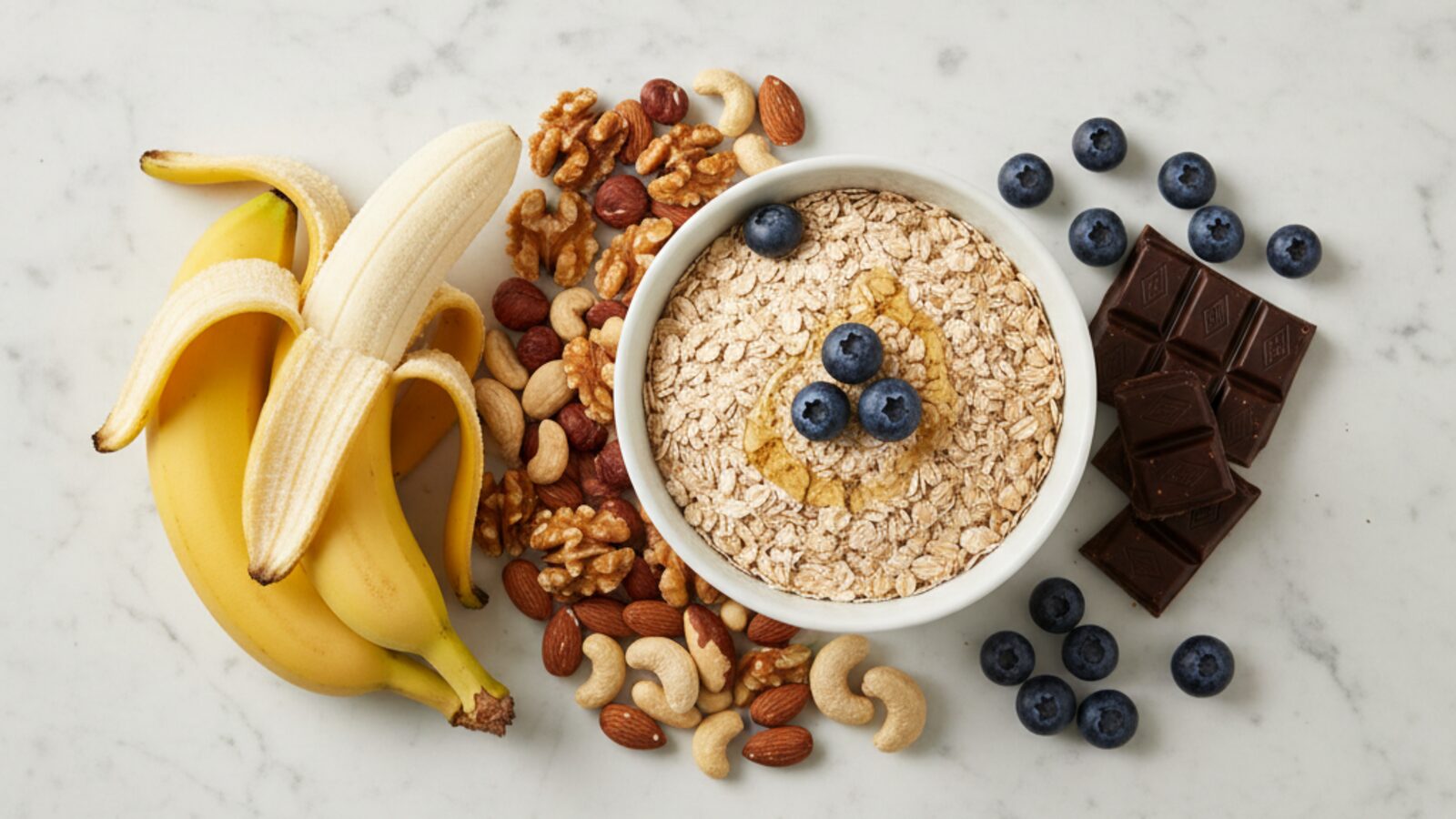
10 Foods That Naturally Boost Energy (No Caffeine Crash)
Ten everyday foods that deliver real, sustained energy — not a caffeine spike followed by an afternoon crash.
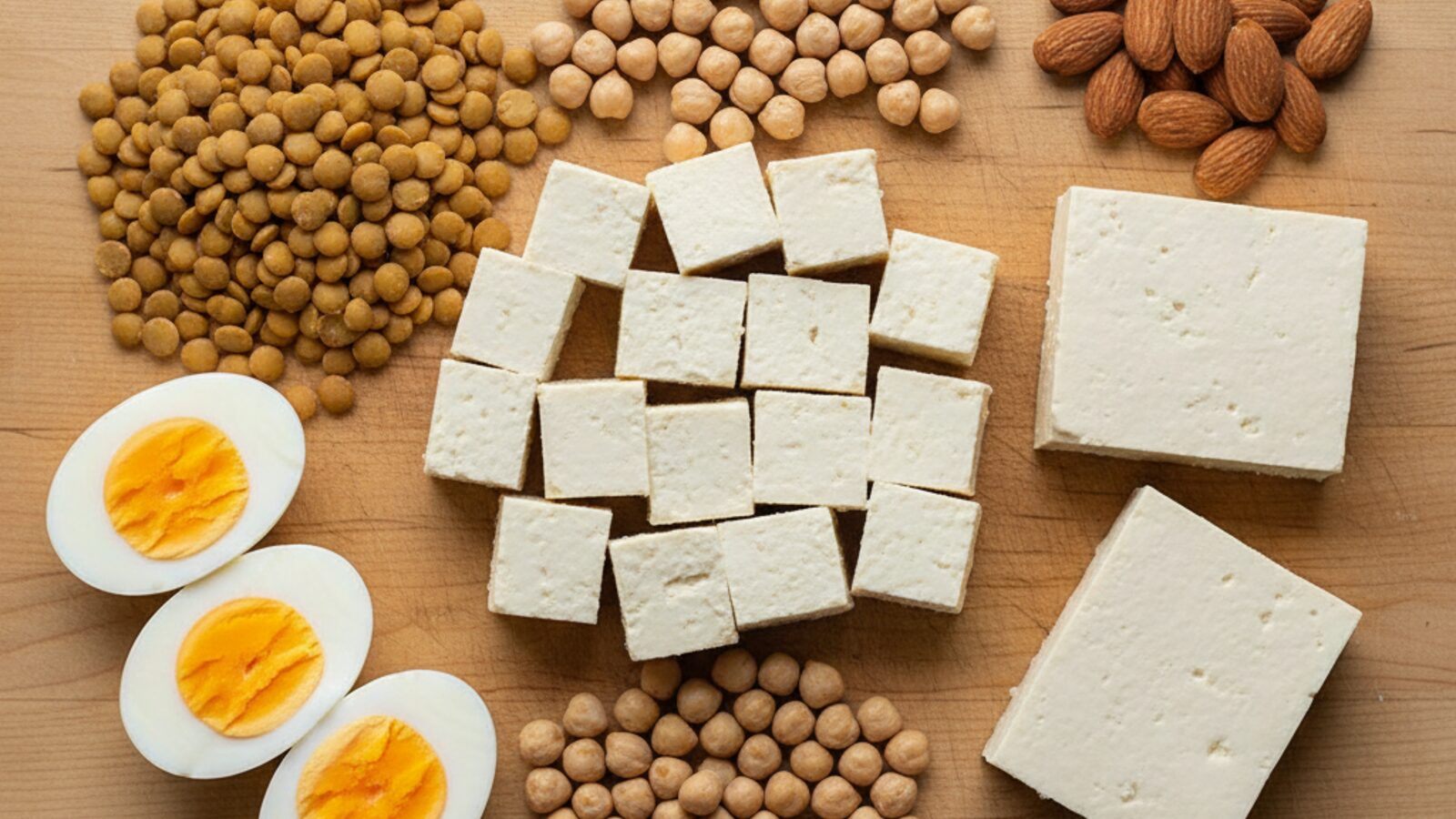
20 Best Protein-Rich Vegetarian Foods (With Grams Per Serving)
A practical, ranked list of vegetarian protein sources with grams per serving — so you can actually hit your protein target.