Home Workout Without Equipment: A 30-Minute Full-Body Plan
A balanced 30-minute home workout using nothing but your bodyweight, your breath, and the floor under your feet.

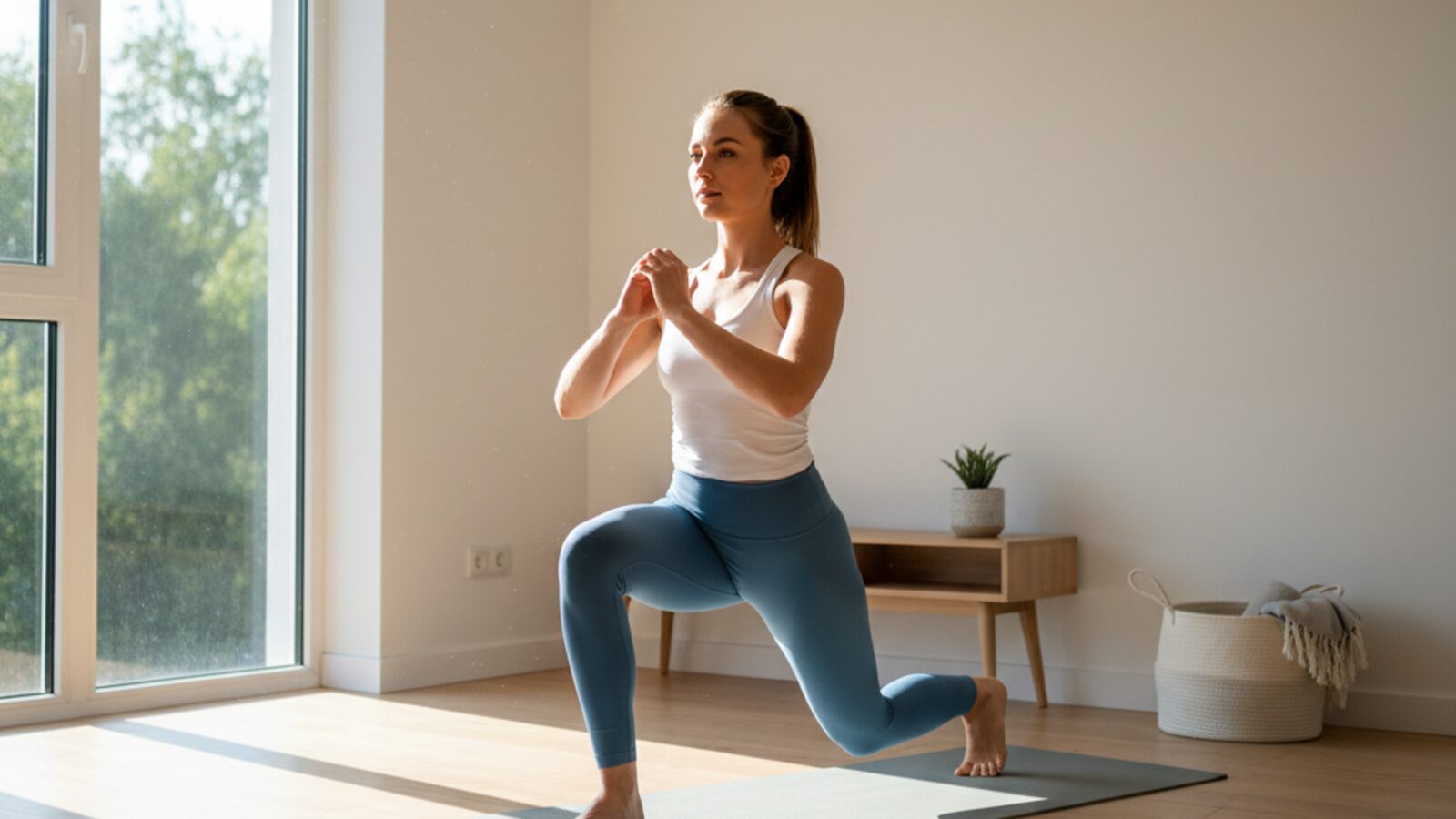
You don't need a barbell to build a strong body. Bodyweight training, programmed well, develops real strength, mobility, and conditioning. This 30-minute full-body plan is designed for any room with enough floor space to lie down.
Warm-up (5 minutes)
World's greatest stretch × 5 per side Leg swings × 10 each Arm circles × 10 each direction Glute bridges × 12 90-90 hip switches × 8
Main Circuit (20 minutes — 4 rounds)
Bodyweight squats × 20 Incline push-ups × 12 Reverse lunges × 10 per leg Superman holds × 30 seconds Hollow body hold × 30 seconds
Finisher (3 minutes)
20 seconds work / 10 seconds rest: Jumping jacks → Mountain climbers → Squat to stand → Repeat
Cooldown (2 minutes)
Forward fold, pigeon pose each side, child's pose, slow nasal breathing.
How to Progress
Week 1–2: focus on form, complete 3 rounds. Week 3–4: add a round. Week 5+: slow the eccentric portion of each rep to 3 seconds, or move to harder variations (decline push-ups, Bulgarian split squats, pistol squat progressions).
The Physiological Science of Bodyweight Resistance
The efficacy of a home workout without equipment lies in the physiological principle of mechanical tension. When you perform a bodyweight squat or a push-up, your muscle fibers are recruited to overcome the resistance of your own mass against gravity. According to sports science literature, the body does not distinguish between the source of resistance—be it a chrome dumbbell or your own torso—provided the stimulus is sufficient to reach a point of near-muscular failure. The biomechanics of calisthenics often require more significant stabilization from secondary muscle groups compared to machine-based training, leading to a more comprehensive 'functional' strength that translates well to daily life activities.
Research published by the American College of Sports Medicine (ACSM) highlights that high-intensity bodyweight training can elicit metabolic responses similar to traditional resistance training. By utilizing compound movements—exercises that involve multiple joints and muscle groups—you maximize energy expenditure and hormonal response. For example, a burpee is not just a cardiovascular challenge; it requires triple extension of the hips, knees, and ankles, core stabilization, and upper-body pushing power. This multi-planar movement pattern optimizes the 'afterburn' effect, or Excess Post-exercise Oxygen Consumption (EPOC), keeping your metabolic rate elevated for hours after the 30-minute session is complete.
Neuromuscular Adaptations and Motor Control
The nervous system plays a critical role in no-equipment training. Because you aren't constrained by a machine's fixed path, your brain must constantly communicate with your proprioceptors to maintain balance and form. This improves neuromuscular efficiency, meaning your brain becomes better at 'firing' the right muscles in the right sequence. Over time, this leads to better coordination and a reduced risk of injury in both athletic and everyday environments.
Creating an Optimized Home Environment for Success
Before beginning any 30-minute full-body plan, personalizing the environment is essential for consistency. The Mayo Clinic emphasizes that a dedicated workout space, even if it is just a 6x6 foot area in a living room, helps psychologically prime the brain for physical exertion. This 'context-dependent' habit formation is a cornerstone of long-term adherence. Ensure the floor surface provides adequate grip—wooden floors may require a yoga mat to prevent sliding during mountain climbers, while thick carpets might necessitate firmer footwear to protect the ankles during lateral movements.
Strategic timing is another factor often overlooked in home fitness. While the 'best' time to exercise is whenever you can be consistent, a study published in the journal 'Physiology' suggests that late afternoon workouts may coincide with the body’s peak core temperature, potentially enhancing muscle enzymatic activity and power output. However, for many, a morning routine ensures the workout is completed before the cognitive load of the workday diminishes willpower. Regardless of the hour, maintaining a consistent hydration protocol—consuming roughly 15-20 ounces of water two hours before starting—is vital for maintaining blood volume and thermoregulation during high-intensity intervals.
Advanced Progression Techniques Without Adding Weight
The most common hurdle in bodyweight training is the 'plateau,' where the body becomes too efficient at the movements. Unlike a gym where you simply add five pounds to the bar, home workouts require 'mechanical disadvantage' to increase difficulty. For instance, if standard push-ups become easy, elevating your feet on a chair shifts more of your body weight onto your upper pectorals and deltoids. Alternatively, slowing down the eccentric (lowering) phase of a squat to five seconds increases the 'time under tension,' which is a primary driver for muscle hypertrophy according to the NIH.
Another sophisticated method to enhance intensity without weights is the use of 'isometrics.' Integrating a 10-second pause at the bottom of a lung or a mid-way hold during a plank forces the muscle to work harder without any movement at all. This creates a different type of metabolic stress and can help recruit dormant muscle fibers. You can also manipulate rest intervals; shortening the break between sets from 60 seconds to 30 seconds keeps the heart rate elevated and forces the body to recover faster, turning a strength-focused session into a potent cardiovascular challenge.
Utilizing Tempo and Time Under Tension (TUT)
Tempo training is the secret weapon of the home athlete. By following a 4-2-1 cadence (4 seconds down, 2 seconds pause at the bottom, 1 second up), you eliminate the use of momentum. This ensures that the muscle is doing the work rather than relying on the 'stretch reflex' or bouncing. It is an incredibly effective way to make 'light' exercises feel significantly heavier and more challenging for the central nervous system.
Common Pitfalls and How to Avoid Injury
While home workouts are generally safe, the lack of a professional trainer means the burden of safety falls on the individual. One of the most frequent mistakes in a no-equipment plan is the 'collapsing' of the lumbar spine during planks or push-ups. This 'anterior pelvic tilt' puts undue stress on the lower vertebrae. Harvard Health suggests that 'bracing'—imagining someone is about to punch you in the stomach—is the best way to engage the transverse abdominis and protect the spine throughout every movement.
Another common error is 'ego-pacing,' where a beginner attempts to match the speed of an advanced athlete in a video or guide. This often leads to incomplete ranges of motion, such as shallow squats that don't fully engage the glutes or half-reps in push-ups. Quality of movement should always precede quantity. If form begins to degrade, it is better to take a five-second 'micro-break' and resume with perfect alignment than to push through with compensatory patterns that could lead to tendonitis or joint strain over time.
Protecting Your Joints in High-Repetition Sets
Joint health is paramount when training on hard surfaces. Always ensure your knees track over your toes during squats and lunges, and avoid 'locking out' your elbows with excessive force during upper body movements. If you experience sharp, localized pain (as opposed to the dull ache of muscle fatigue), stop the exercise immediately. Consulting the RICE protocol (Rest, Ice, Compression, Elevation) for minor tweaks is standard, but persistent pain warrants a visit to a physical therapist.
Who Should Modify or Avoid High-Intensity Home Training?
While bodyweight exercises are versatile, certain populations should approach a 30-minute high-intensity plan with caution. Individuals with a Body Mass Index (BMI) categorized as obese by the CDC may find that high-impact movements, like jumping jacks or burpees, put excessive strain on the knees and ankles. In these cases, low-impact regressions—such as stepping instead of jumping—are recommended to build the necessary connective tissue strength before transitioning to plyometrics. Similarly, those with pre-existing cardiovascular conditions must consult a physician, as the 'valsalva maneuver' (holding one's breath during exertion) can cause dangerous spikes in blood pressure.
Post-natal women should also exercise caution, specifically regarding 'diastasis recti' or abdominal separation. Standard core exercises like crunches or heavy planks may exacerbate the condition if the deep core isn't properly rehabilitated first. Finally, elderly participants should prioritize balance and mobility over speed. The WHO Global Recommendations on Physical Activity for Health emphasize that for adults over 65, functional balance training is just as important as muscle-strengthening activities to prevent falls. For these groups, the 30-minute plan should be modified with the help of a healthcare provider to ensure it supports rather than hinders their long-term health.
Long-Term Sustainability and Mental Consistency
The transition from a 'quick workout' to a 'lifestyle' requires a shift in mindset regarding sustainability. One of the biggest mistakes people make is starting with a frequency they cannot maintain, such as five days a week from a baseline of zero. Consistency is the primary driver of physiological change. Research suggests that three full-body sessions per week, with at least 48 hours of recovery between sessions for specific muscle groups, is the 'sweet spot' for most beginners to see significant strength gains without burning out.
As you progress into several months of home training, variety becomes important not just for physical results, but for mental engagement. The brain's reward centers respond well to novelty. You can sustain interest by changing the 'flavor' of your 30-minute block: focus on 'Explosive Power' one day with plyometrics, 'Structural Balance' the next with slow, controlled movements, and 'Endurance' on the third day with high-repetition circuits. Keeping a workout log is also a powerful tool for sustainability; seeing your progress in black and white—performing 15 push-ups when you previously could only do 5—provides the intrinsic motivation necessary to keep going.
When to Consult a Professional
Self-assessment is a vital skill for the home trainee. You should consider seeing a doctor or a physical therapist if you experience 'red flag' symptoms during or after your 30-minute session. These include chest pain, extreme shortness of breath that does not resolve with rest, dizziness, or fainting. These can be signs of undiagnosed cardiovascular issues that require medical screening before continuing a fitness regimen. Additionally, if you experience swelling in a joint or a 'shooting' nerve pain that travels down a limb, professional intervention is necessary to rule out herniated discs or significant ligament tears.
On the performance side, if you find that after 8-12 weeks of consistent effort you are not seeing any changes in strength, energy levels, or body composition, it may be time to consult a certified strength and conditioning specialist or a registered dietitian. Sometimes the 'plateau' isn't a lack of effort, but a lack of recovery or nutritional support. A professional can help fine-tune your volume and intensity to ensure your 30 minutes at home are yielding the maximum possible benefit for your specific biology and goals.
Key Takeaways
- Bodyweight training builds real strength when programmed with progression.
- Four rounds of five movements covers every major muscle group.
- Slow tempo is the easiest way to make bodyweight harder.
Frequently Asked Questions
How many days a week should I do this?
Three to four. Leave at least one day between sessions for recovery.
Will I build muscle without weights?
Yes, especially in the first year. Hypertrophy responds to tension and proximity to failure, not equipment.
Conclusion
Equipment is optional. Progression is not. Stick with this plan for eight weeks and your body will tell you exactly how much can be done with nothing but the floor.
Sources & Further Reading
More on Fitness & Workouts
- → Building Functional Strength: Why Compound Movements Matter
- → HIIT vs Steady-State Cardio: Which One Works Best for Endurance?
- → The Best Morning Workout Routine at Home (20 Minutes, No Equipment)
You may also like
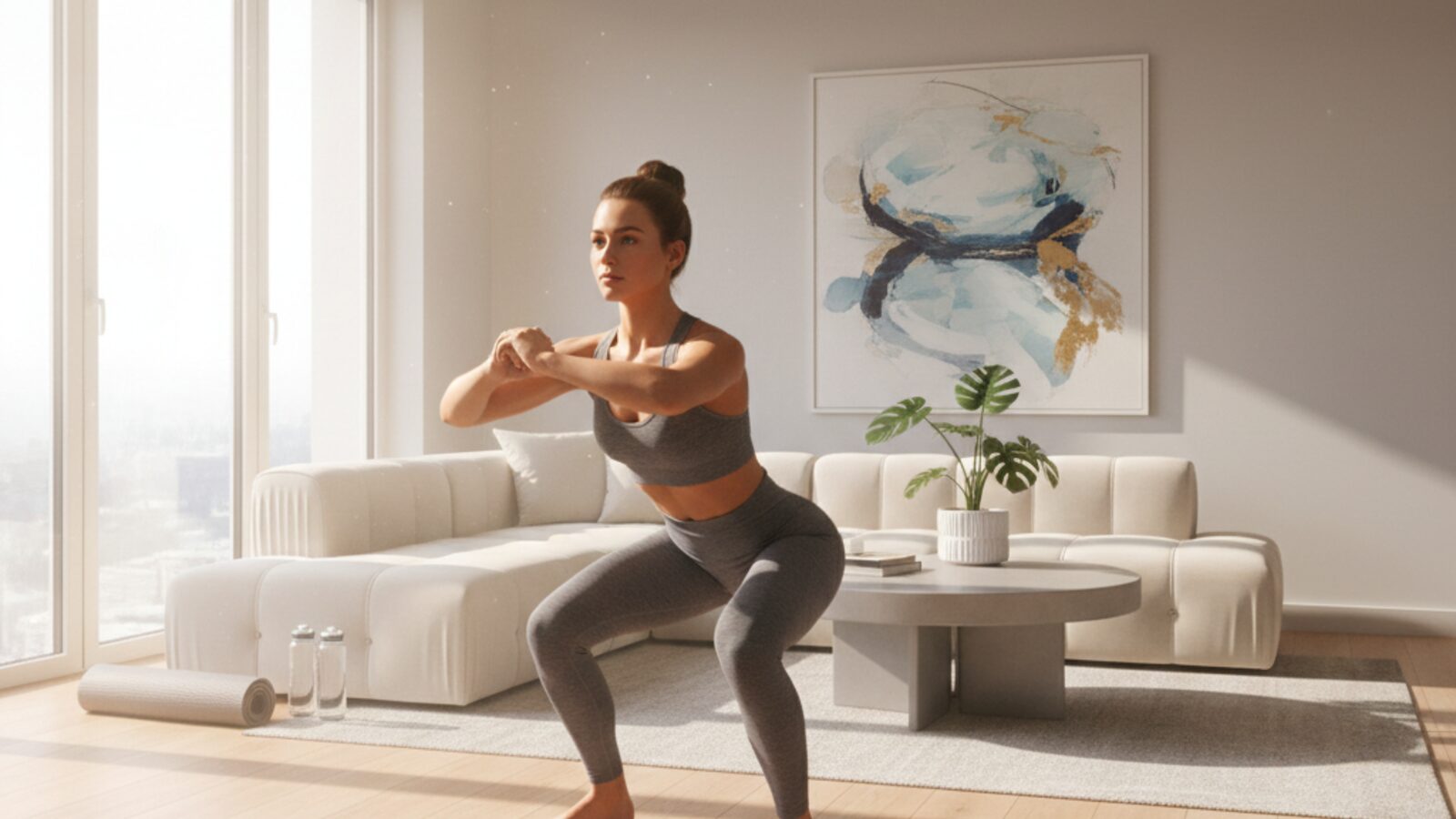
The Best Morning Workout Routine at Home (20 Minutes, No Equipment)
A complete 20-minute morning routine you can do beside your bed — mobility, strength, and a short cardio finisher to set up the rest of your day.
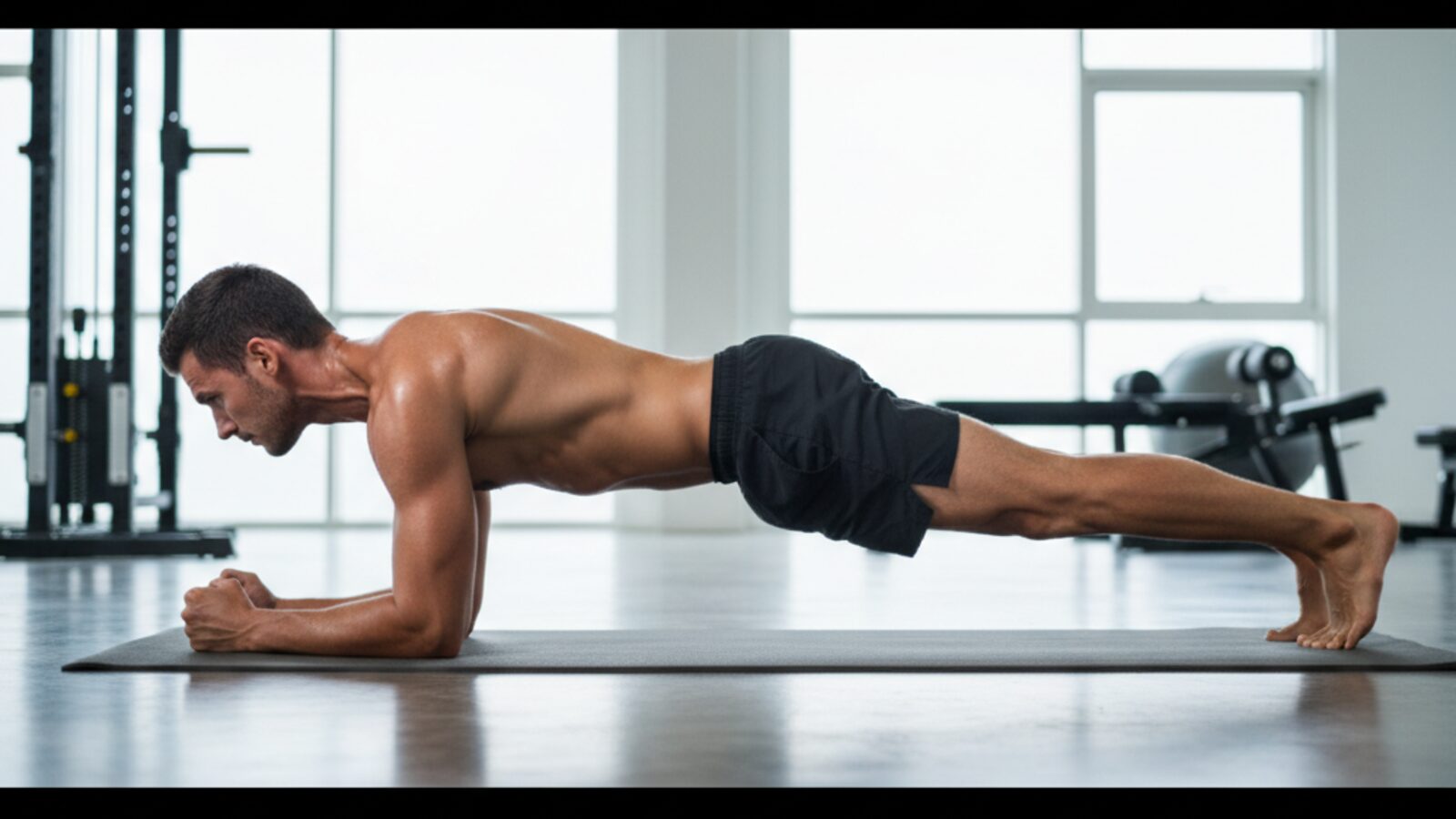
The 8 Best Exercises for Belly Fat (And the Truth About Spot Reduction)
The eight movements that build a strong core and burn calories — plus the honest truth about whether you can target belly fat.
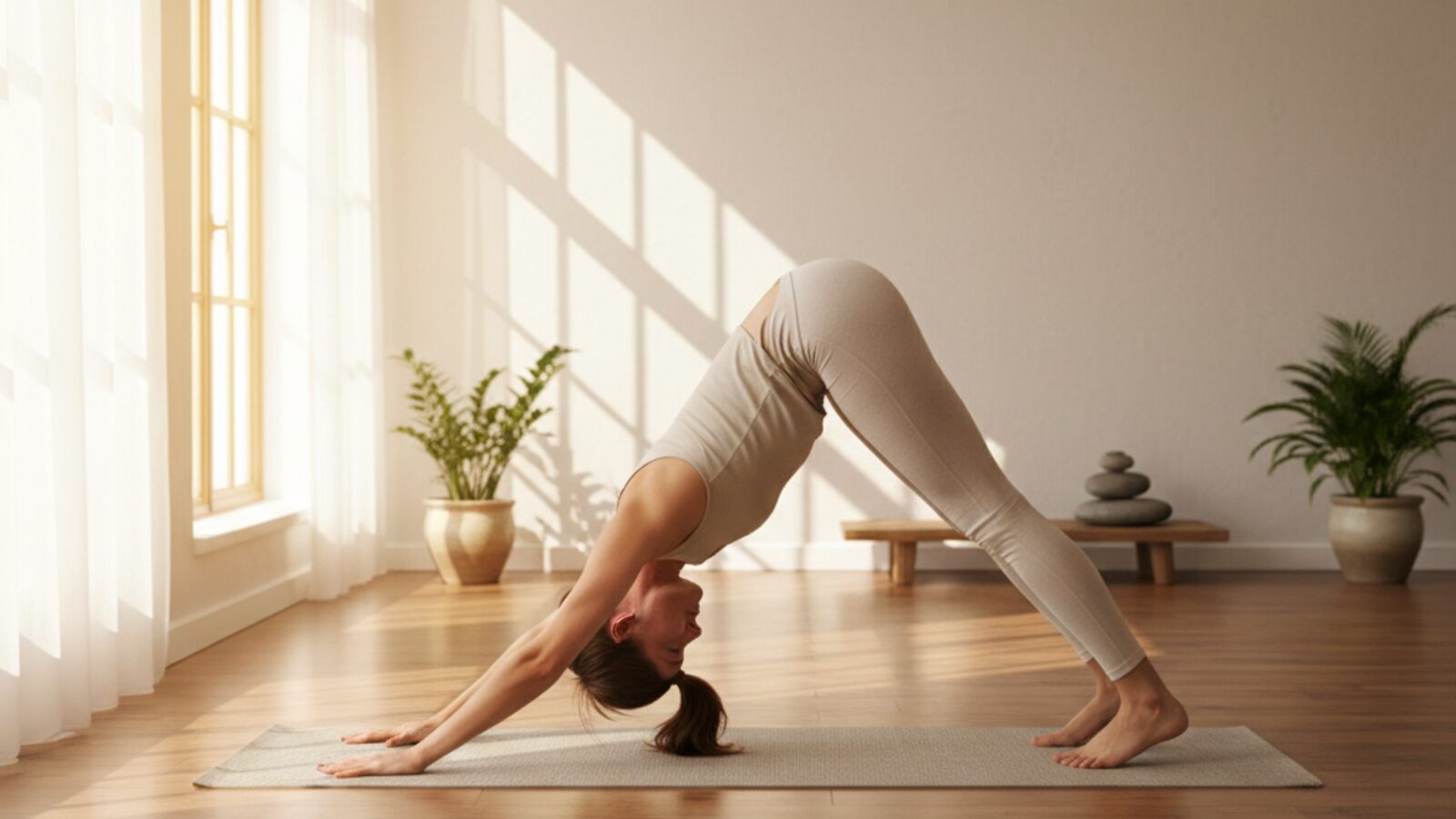
10 Yoga Benefits for Beginners (Backed by Science)
Ten research-backed benefits of starting a beginner yoga practice — many show up within the first month.