The Science of Sustainable Fat Loss: Why Diet Alone Isn't Enough
Sustainable fat loss isn't about eating less and moving more in isolation. Here's what the science actually says about metabolism, muscle, sleep, and long-term results.

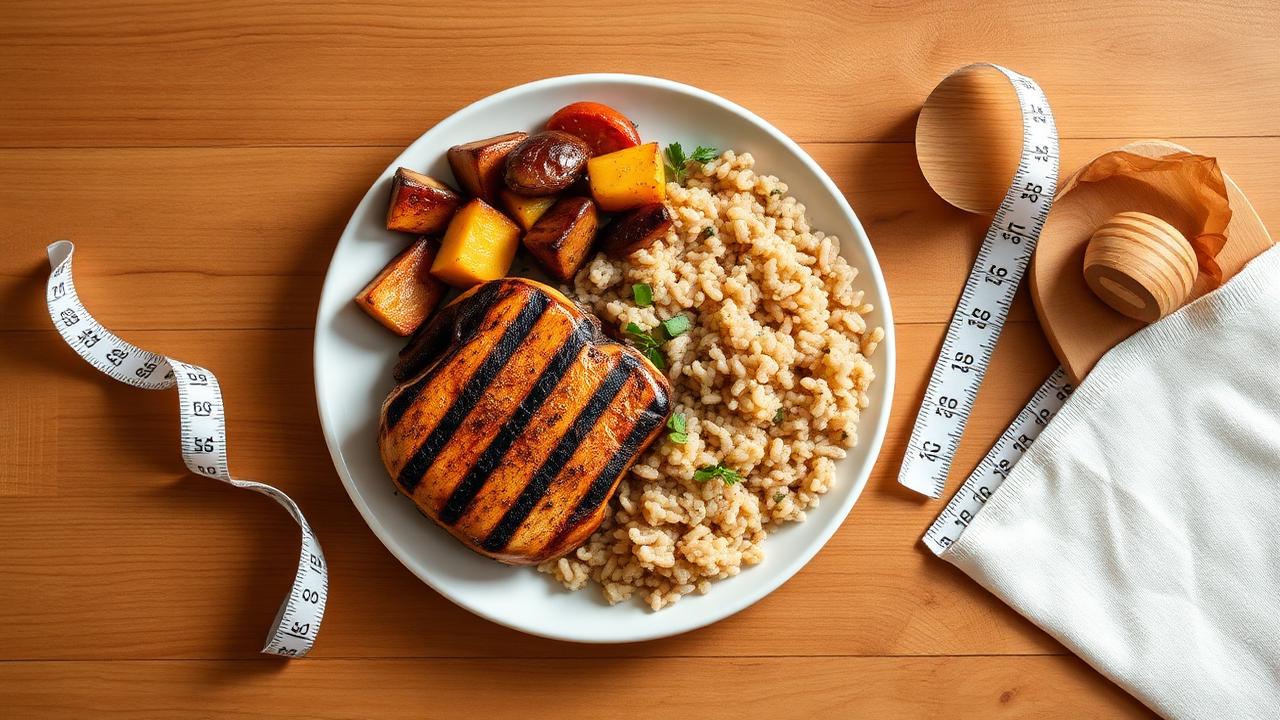
Almost everyone who has tried to lose weight has experienced the same painful cycle: weeks of restriction, a few kilograms gone, and then a slow, frustrating return to where they started — sometimes with extra weight on top. The problem is rarely willpower. The problem is that fat loss is a whole-body, multi-system response, and diet is only one input. This guide walks through what the research actually shows about sustainable fat loss, why diet alone isn't enough, and how to build a lifestyle that keeps the results you work for. The aim isn't a quick transformation — it's a body and a relationship with food you can live with for the next thirty years.
Fat Loss Is Not the Same as Weight Loss
When the scale drops, three different things might be leaving your body — water, muscle, or actual fat. Crash diets are notorious for stripping water and muscle first because the body protects fat stores when food is scarce. Research summarised by the Mayo Clinic and Harvard Health Publishing shows that very low-calorie diets can lead to losses where 25–30% of the total weight lost is lean tissue, not fat. That matters because muscle is the most metabolically active tissue you have. Lose it, and your daily calorie burn drops with it.
A more honest goal is to lose fat while preserving — or gently building — muscle. This requires three things working together: a modest calorie deficit, adequate protein, and resistance training. Without all three, you can absolutely lose weight on the scale and still end up with a softer, weaker, more easily-regainable body composition. Sustainable fat loss is about changing the ratio of fat to lean tissue, not just shrinking a number.
Why Cutting Calories Stops Working: Metabolic Adaptation
The human body has spent millions of years evolving to survive famine. When you reduce calories sharply, your metabolism doesn't sit still — it adapts. Studies from the NIH and detailed in work by researchers like Dr. Kevin Hall show that during prolonged dieting, resting metabolic rate (RMR) drops more than the loss in body mass alone would predict. This is called adaptive thermogenesis, and it can lower your daily energy needs by 100–300 calories beyond expectations.
On top of that, hormones shift. Leptin (the satiety hormone) falls, ghrelin (the hunger hormone) rises, thyroid hormones decline slightly, and non-exercise movement (NEAT) drops without you realising — you fidget less, walk a little slower, take the lift instead of the stairs. The combined effect is that the same diet that produced steady fat loss in month one delivers almost nothing by month four. This isn't a personal failure. It is biology defending what it considers a safe weight.
The way out is not to cut more. Cutting more accelerates adaptation. The way out is to plan refeeds, diet breaks, and longer maintenance phases — typically two weeks at maintenance calories for every 8–12 weeks in a deficit. The Cleveland Clinic and the Academy of Nutrition and Dietetics both highlight diet breaks as a powerful tool to preserve metabolic rate during long-term fat-loss journeys.
Signs your metabolism has adapted
Plateaus that last more than four weeks despite an honest deficit, persistent low energy, cold hands and feet, poor recovery from workouts, hair shedding, lost period (for women), and a stubborn rise in hunger are all classic signs that your body is in defensive mode. The right response is rest, more food, and patience — not another round of restriction.
Muscle: The Metabolic Engine Most Diets Ignore
One kilogram of muscle burns roughly 13 calories per day at rest. That sounds small, but layered over years, the difference between someone carrying 25 kg of lean mass and 30 kg of lean mass is significant — and during fat loss, the person with more muscle is far harder to push into adaptation. Resistance training while in a calorie deficit is the single most evidence-based way to preserve muscle, according to position stands from the American College of Sports Medicine.
Practically, this means two to four short strength sessions per week — squats, hinges, presses, rows, and core work. You do not need a gym. A pair of adjustable dumbbells, a resistance band, or even bodyweight progressions are enough for most beginners to build and protect lean tissue for years. The goal during fat loss is not to set personal records but to keep the strength you already have so your body has a reason to hold on to muscle.
Sleep, Stress, and the Hidden Drivers of Fat Storage
If diet and exercise were enough on their own, shift workers, new parents, and chronically stressed professionals would not struggle with weight as much as they do. They do — because sleep and stress regulate the hormones that decide where your body stores fat and how hungry you feel.
Research from the NIH and Harvard Health shows that adults sleeping fewer than six hours per night have a higher risk of obesity, insulin resistance, and increased calorie intake the next day — often by 300–500 extra calories driven mostly by snacks and refined carbohydrates. Cortisol, the main stress hormone, also rises with poor sleep and chronic stress, encouraging visceral (belly) fat storage and making appetite less stable.
You cannot out-diet bad sleep. Aim for a consistent sleep window of 7–9 hours, a dark cool room, and a wind-down routine that limits screens for the last 30–60 minutes of the day. Layer in daily stress decompression — a 20-minute walk, slow breathing, journaling, or a hobby — and the same diet that wasn't working may suddenly start to.
Protein, Fibre, and Hydration: The Three Underrated Levers
Sustainable fat loss is much easier when meals are genuinely satisfying. Three nutrients do most of the heavy lifting: protein, fibre, and water. Protein in the range of 1.2–1.6 g per kilogram of body weight per day supports muscle and powerfully blunts appetite by raising GLP-1 and PYY. Fibre at 25–35 g per day slows digestion, feeds the gut microbiome, and stabilises blood sugar — reducing the cravings that derail most diets. Water, often dismissed as basic advice, genuinely matters: mild dehydration is regularly mistaken for hunger, and several trials have shown modest weight-loss benefit from drinking 500 ml of water 30 minutes before meals.
Build every plate around these three pillars first, and the calorie picture tends to take care of itself without strict tracking. A typical day might include eggs and oats at breakfast, a lentil and vegetable bowl at lunch, a fruit-and-yoghurt snack, and grilled fish or chicken with two vegetables and brown rice at dinner.
Habits, Environment, and the Long Game
Behavioural science is now clear that long-term results come less from motivation and more from environment. The Centers for Disease Control and Prevention and behaviour-change researchers like BJ Fogg consistently find that small, friction-reducing changes outperform giant willpower bets. Keep cut vegetables at eye level in the fridge. Pre-portion snacks. Walk a fixed loop after dinner. Pack a gym bag the night before. Each of these takes a decision out of your day.
The National Weight Control Registry, which tracks thousands of people who have maintained large weight losses for years, finds five common threads: they eat breakfast regularly, weigh themselves often, exercise around an hour a day (most commonly walking), watch limited television, and eat a relatively consistent diet on weekdays and weekends. None of it is glamorous. All of it is durable.
Common mistakes that quietly derail fat loss
Eating clean during the week and binge-eating on weekends — which often wipes out the entire week's deficit. Underestimating liquid calories from juices, lattes, and alcohol. Drastically cutting carbohydrates without replacing the lost calories from protein and fat. Skipping strength training. Weighing yourself once a month instead of using weekly averages, which hide normal water fluctuations and create false plateaus.
Tracking Progress Without Becoming Obsessed
One reason so many people quit a fat-loss plan is that the scale lies to them in the short term. Daily weight fluctuates by 0.5–1.5 kg based on sodium, hydration, glycogen, hormones, and bowel content — none of which are body fat. When you only have a single morning weight to look at, a perfectly successful week can feel like failure, and a quietly bad week can feel like success. The fix is to widen the lens. Use a seven-day rolling average, take waist and hip measurements once every two weeks, and snap honest progress photos in the same light and outfit every two to four weeks. These three signals together tell a far truer story than the scale alone.
It also helps to track behaviours, not just outcomes. Did you hit your protein target most days? Did you lift weights twice this week? Did you sleep seven hours on most nights? Behaviours are leading indicators — they show up before the scale does. When behaviours are on track and the scale isn't moving, the issue is usually patience, not strategy. When the scale isn't moving and behaviours have slipped, you have an honest, fixable problem.
Be cautious with body-fat-percentage devices at home. Bioelectrical impedance scales can swing by 3–5 percentage points based on hydration and time of day. Use them for trend lines, not single readings. DEXA scans are the gold standard, but they're rarely necessary unless you're an athlete or have a specific clinical reason.
A weekly review that takes five minutes
Once a week, write down four numbers: average weight, average daily steps, number of strength sessions, and average sleep hours. Beside them, write one sentence about how you felt — energy, hunger, mood. Over months, this five-minute log shows patterns no app can find for you: which weeks worked, which weeks didn't, and exactly what changed. This is the cheapest, most underrated tool in long-term fat loss.
When to Ask for Help: Plateaus, Health Conditions, and Medications
Sometimes a plateau is not a willpower issue or a tracking issue — it's a clinical one. Thyroid disorders, PCOS, insulin resistance, sleep apnoea, certain antidepressants, steroids, and hormonal contraceptives can all genuinely change how the body stores and releases fat. If you are honestly hitting your habits for three months and seeing nothing on average weight, waist circumference, or progress photos, that is a reasonable signal to see a doctor or a registered dietitian.
Blood work that's worth asking your GP about includes a thyroid panel (TSH, free T3, free T4), fasting glucose and HbA1c, a lipid panel, vitamin D, B12, and ferritin. Low iron and low vitamin D are particularly common in women and can flatten energy, mood, and exercise capacity — all of which quietly sabotage a fat-loss plan. None of this means you cannot succeed on your own; it means you deserve a real explanation when honest effort isn't producing honest results.
Finally, be deeply sceptical of supplements, fat-burning teas, and 'detox' programmes. The Federal Trade Commission and the United Kingdom's Advertising Standards Authority have repeatedly sanctioned brands for unsupported weight-loss claims. Almost nothing in a bottle outperforms basic habits applied for six honest months. Spend your money on real food, comfortable walking shoes, and — if you can — a few sessions with a qualified professional.
Key Takeaways
- Fat loss and weight loss are different — protect muscle while losing fat.
- Metabolic adaptation is real; plan diet breaks every 8–12 weeks.
- Resistance training preserves the muscle that keeps your metabolism alive.
- Sleep and stress regulate the hormones that decide hunger and fat storage.
- Long-term success is built on environment, habits, and consistency — not motivation.
Frequently Asked Questions
How fast is healthy fat loss?
Most evidence supports losing 0.5–1% of body weight per week. Faster rates often lead to muscle loss, hormonal disruption, and rebound weight gain.
Do I have to count calories forever?
No. Tracking for 2–4 weeks can be useful to understand portions, after which most people maintain results using simple plate-based eating, regular weigh-ins, and habit anchors.
Why does my weight fluctuate so much day to day?
Daily weight reflects food volume, sodium, hormones, and water — not fat. Use a 7-day average to see real trends.
Can I lose fat without exercise?
Yes, but you will likely lose more muscle and find maintenance much harder. Even short, regular movement dramatically improves the quality and durability of fat loss.
Conclusion
Sustainable fat loss is less about the perfect diet and more about a system — protein-rich meals, regular movement, strength training, real sleep, stress recovery, and an environment that makes the easy choice the healthy choice. Build that system once and the scale tends to follow on its own, quietly, for years. Always speak to a qualified healthcare professional before major changes to your diet or exercise routine, especially if you have a medical condition.
Sources & Further Reading
More on Weight Loss
- → Intermittent Fasting and Your Body: Evidence-Based Benefits and Risks
- → The Beginner's Guide to Weight Loss (Without Crash Diets)
- → Best Indian Diet Plan for Fat Loss (7-Day Sample Menu)
You may also like

The Beginner's Guide to Weight Loss (Without Crash Diets)
Everything a beginner needs to lose weight safely — calories, protein, training, and the daily habits that produce results that last.

Best Indian Diet Plan for Fat Loss (7-Day Sample Menu)
A dietitian-designed, vegetarian-friendly Indian diet plan that supports steady fat loss without giving up your favourite foods.

Walking vs Running for Weight Loss: Which Actually Works Better?
Calories burned, injury risk, fat oxidation — a fair comparison of walking and running for real-world fat loss.