Intermittent Fasting and Your Body: Evidence-Based Benefits and Risks
Intermittent fasting is everywhere — but what does the research actually support, and where are the real risks? A calm, evidence-based breakdown.


Intermittent fasting (IF) has gone from a niche practice to one of the most discussed eating patterns of the decade. Some swear it transformed their energy and weight. Others felt worse within weeks. The truth, as usual, lives in the research — and in the details of who you are, what you eat during your eating window, and how the rest of your life is structured. This guide walks through what intermittent fasting actually is, the benefits that real evidence supports, the risks that often get glossed over, and how to decide whether it is right for you.
What Intermittent Fasting Actually Means
Intermittent fasting is an umbrella term for eating patterns that cycle between periods of eating and not eating. It is not a diet in the traditional sense — it tells you when to eat, not what. The most studied versions are time-restricted eating (typically 14:10 or 16:8, where you eat within an 8–10 hour window each day), the 5:2 approach (eating normally five days a week and very lightly on two), and alternate-day fasting (alternating normal eating days with very low-calorie days).
Researchers at Johns Hopkins Medicine and the NIH have studied these patterns for over a decade. Most of the metabolic benefits seem to come from time-restricted eating, which is also the gentlest and most practical to maintain. The point of IF is not starvation — it's giving your digestive and hormonal systems a longer overnight rest than the modern grazing pattern allows.
How Fasting Changes the Body, Hour by Hour
Within a few hours of eating, insulin returns to baseline. Around 10–12 hours after the last meal, the body begins shifting toward fat as fuel, drawing on liver glycogen and then triglycerides stored in fat cells. By 12–16 hours, a process called autophagy — cellular housekeeping that recycles damaged proteins — increases. Research from Nobel laureate Yoshinori Ohsumi laid the foundation for our understanding of autophagy, and recent reviews summarised by the NIH suggest it may play a role in cellular repair and metabolic health.
It is worth being honest about the limits of this evidence. Most of the dramatic autophagy data comes from cell and animal studies. In humans, the effects are gentler and depend heavily on overall calorie intake, sleep, and exercise. Fasting alone is not magic. Combined with a thoughtful diet, however, it can support meaningful changes in body composition and metabolic markers.
Benefits the Evidence Genuinely Supports
Multiple randomised trials and reviews — including work summarised by Harvard Health Publishing and the Cleveland Clinic — suggest that intermittent fasting can support modest weight loss (typically 3–8% of body weight over 8–12 weeks), improvements in insulin sensitivity, lower fasting glucose, and modest reductions in blood pressure and inflammatory markers in adults with overweight or pre-diabetes.
Many people also report better appetite awareness — eating becomes more intentional when it's bounded by a window. Others find their digestion calms, their sleep improves slightly, and their relationship with snacking changes. None of these benefits is guaranteed, but for the right person they can be real and durable.
Who tends to do well on IF
Adults with steady schedules, no history of disordered eating, no insulin-dependent diabetes, and a generally calm relationship with food often adapt well. People who already eat dinner early and rarely snack late may find that a 14–16 hour overnight fast feels almost natural.
The Risks and Limitations Often Glossed Over
The same patterns that help some people harm others. Fasting can worsen disordered eating, trigger binge eating in the evening window, lower energy in athletes, disrupt menstrual cycles in some women, and reduce milk supply in breastfeeding mothers. People with type 1 diabetes, those on insulin or sulfonylureas, pregnant or breastfeeding women, adolescents, and anyone with a history of an eating disorder should avoid fasting unless explicitly guided by a qualified healthcare professional.
Women, in particular, can be more sensitive to long fasts because of how the hypothalamus regulates reproductive hormones in response to perceived energy availability. Research published in journals reviewed by the Office on Women's Health suggests that aggressive fasting protocols can disrupt cycles and worsen stress symptoms. Many women do better with a gentler 12:12 or 14:10 pattern than with strict 16:8 or longer fasts.
What You Eat Still Matters More Than When
It is possible to follow a 16:8 pattern eating biscuits, sugary lattes, and ultra-processed snacks — and to feel terrible while doing it. The food quality during your eating window remains the most important variable. Build meals around protein (eggs, fish, legumes, paneer, tofu, chicken), fibre-rich vegetables and fruit, slow carbohydrates (oats, brown rice, millets, sweet potato), and healthy fats (olive oil, nuts, seeds, avocado).
Hydration is also crucial during the fasting window. Water, plain tea, and black coffee are usually allowed and help with appetite. Adding sugar or milk technically breaks the fast metabolically, although a small splash of milk in coffee is unlikely to undo the benefits for most people.
How to Start Intermittent Fasting Safely
If your doctor has agreed that fasting is appropriate for you, start gently. Begin with a 12-hour overnight fast (for example, 8 pm to 8 am) for a week. If that feels comfortable, extend gradually toward 14:10 over two to three weeks. Most people do not need to go further than 14:10 or 16:8 to see benefits. Aggressive 20-hour or 24-hour fasts are not necessary for general health and carry a higher risk of overeating later.
Track how you actually feel — energy, mood, sleep, workout performance, hunger between meals, and (for women) menstrual regularity. If any of these worsens for more than two to three weeks, the pattern is wrong for you right now. Stop and reassess. Intermittent fasting is a tool, not a moral commitment.
Common mistakes
Breaking a 16-hour fast with a sugar-heavy meal that spikes glucose and triggers a crash. Skipping breakfast every day but compensating with a giant late dinner and snacks until midnight. Drinking too little water. Trying to combine intense training, low calories, and long fasts at the same time. Each of these undermines the benefits and is more common than it should be.
How to Start Intermittent Fasting Safely
If you've decided to try intermittent fasting, the safest on-ramp is to widen the overnight gap you already have. Most adults already fast for around ten hours between dinner and breakfast. Stretch that to twelve for a week, then to fourteen the following week. Notice how energy, sleep, and hunger respond before pushing further. Many people find their sweet spot at 14:10 — a fourteen-hour overnight fast and a ten-hour eating window — without needing to go stricter.
During the fasting window, water, black coffee, and unsweetened tea are universally accepted. Outside the eating window, avoid anything with calories, including milk in coffee, fruit juice, and most plant-based 'flavoured' waters. During your eating window, treat your meals as you normally would for a balanced diet — adequate protein at each meal, vegetables in volume, whole-grain carbohydrates, healthy fats, and enough water through the day. The fast does not give junk food a pass. People who use IF as permission to overeat refined snacks in a short window rarely see the benefits the research describes.
Expect a one-to-two-week adjustment period. Mild headaches, occasional dizziness, and stronger morning hunger are normal. They typically settle as the body adapts to using fat as fuel. If symptoms last beyond two weeks, or you feel cold, anxious, or are losing your period, that's your signal to widen the eating window or stop. Discomfort is not a virtue.
A simple two-week beginner protocol
Week one: 12:12. Finish dinner by 8 pm, breakfast at 8 am. Week two: 14:10. Finish dinner by 7 pm, breakfast at 9 am. Three balanced meals a day in the eating window, with one optional snack. No calorie tracking — just protein at every meal, vegetables at lunch and dinner, and water through the day. Review on day fourteen: energy, sleep, mood, hunger, and the scale. Adjust from there.
Intermittent Fasting Around Real Life: Workouts, Travel, and Social Eating
Real life doesn't respect a feeding window. Birthdays, work dinners, early flights, late shifts, and weekend brunches all collide with whatever schedule you've chosen. The most sustainable approach is to treat your eating window as a default — something you keep most days — not a religion. Eat earlier or later when life demands it, and return to your normal pattern the next day. People who maintain IF for years almost universally describe it this way.
For workouts, the timing question is largely individual. Low-to-moderate cardio in a fasted state is usually well tolerated, and some people prefer it. Heavy strength sessions and high-intensity intervals tend to feel better with a meal one to three hours beforehand, especially if your eating window starts late. If you train hard before eating, prioritise a protein-rich meal as the first thing in your window. The Academy of Nutrition and Dietetics emphasises that overall daily intake matters far more than the exact clock around training.
Travel across time zones can throw off any fasting protocol. The simplest fix is to anchor your eating window to the local sunrise and sunset for the first two to three days, focus on hydration, and accept that your fast may be shorter or longer than usual during transit. If fasting starts to feel like a stressful constraint rather than a useful structure, that is the moment to take a step back. The pattern is meant to serve your life, not the other way round.
Key Takeaways
- Intermittent fasting is an eating pattern, not a diet — what you eat still matters most.
- Time-restricted eating (14:10 or 16:8) is the most studied and most sustainable form.
- Modest weight loss and improvements in insulin sensitivity are well supported.
- Pregnant women, those with diabetes, eating-disorder history, or hormonal issues should avoid fasting without medical guidance.
- Start gently, track how you feel, and stop if symptoms appear.
Frequently Asked Questions
Will black coffee or tea break my fast?
Plain black coffee and unsweetened tea do not meaningfully break a fast and may help with appetite control during the fasting window.
Is intermittent fasting safe for women?
For many women yes — but reproductive hormones can be sensitive to long fasts. Many women do best with gentler windows like 12:12 or 14:10 and should avoid fasting during pregnancy or breastfeeding.
Can I exercise while fasted?
Light to moderate movement is usually fine. Intense workouts often perform better with a small meal beforehand, especially for strength training.
How long until I see results?
Most people notice steadier energy and reduced snacking within 2–3 weeks; weight and metabolic markers often shift over 8–12 weeks combined with good nutrition.
Conclusion
Intermittent fasting can be a useful tool for the right person at the right time. It is not a miracle, and it is not inherently safer or better than any other reasonable way of eating. Used thoughtfully — with quality food, real sleep, strength training, and an honest read on how your body responds — it can become a quiet anchor in a healthier life. Always consult a qualified healthcare professional before starting any fasting protocol, especially if you have a medical condition.
Sources & Further Reading
More on Weight Loss
- → The Science of Sustainable Fat Loss: Why Diet Alone Isn't Enough
- → The Beginner's Guide to Weight Loss (Without Crash Diets)
- → Best Indian Diet Plan for Fat Loss (7-Day Sample Menu)
You may also like

The Beginner's Guide to Weight Loss (Without Crash Diets)
Everything a beginner needs to lose weight safely — calories, protein, training, and the daily habits that produce results that last.
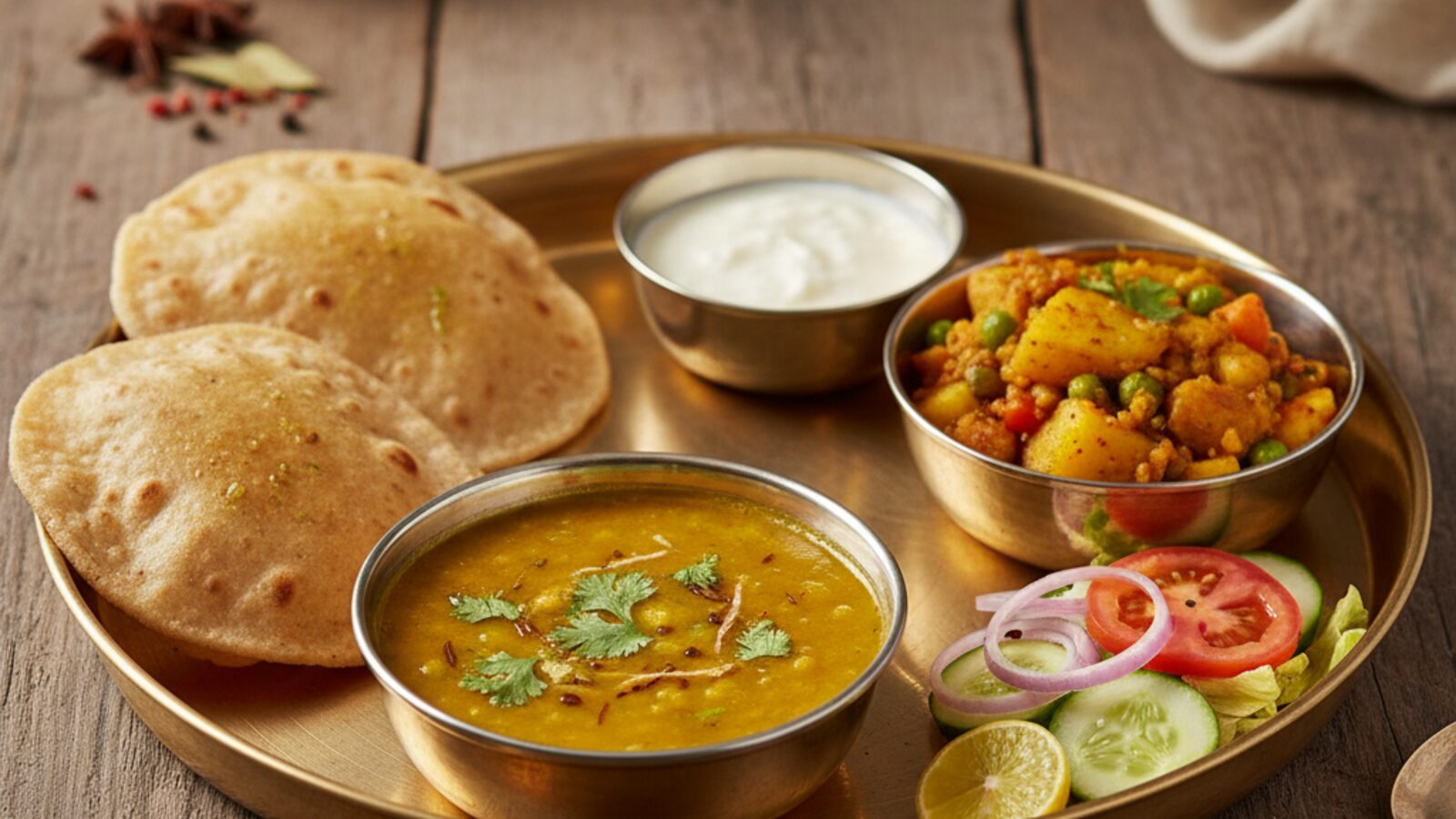
Best Indian Diet Plan for Fat Loss (7-Day Sample Menu)
A dietitian-designed, vegetarian-friendly Indian diet plan that supports steady fat loss without giving up your favourite foods.

Walking vs Running for Weight Loss: Which Actually Works Better?
Calories burned, injury risk, fat oxidation — a fair comparison of walking and running for real-world fat loss.