20 Best Protein-Rich Vegetarian Foods (With Grams Per Serving)
A practical, ranked list of vegetarian protein sources with grams per serving — so you can actually hit your protein target.

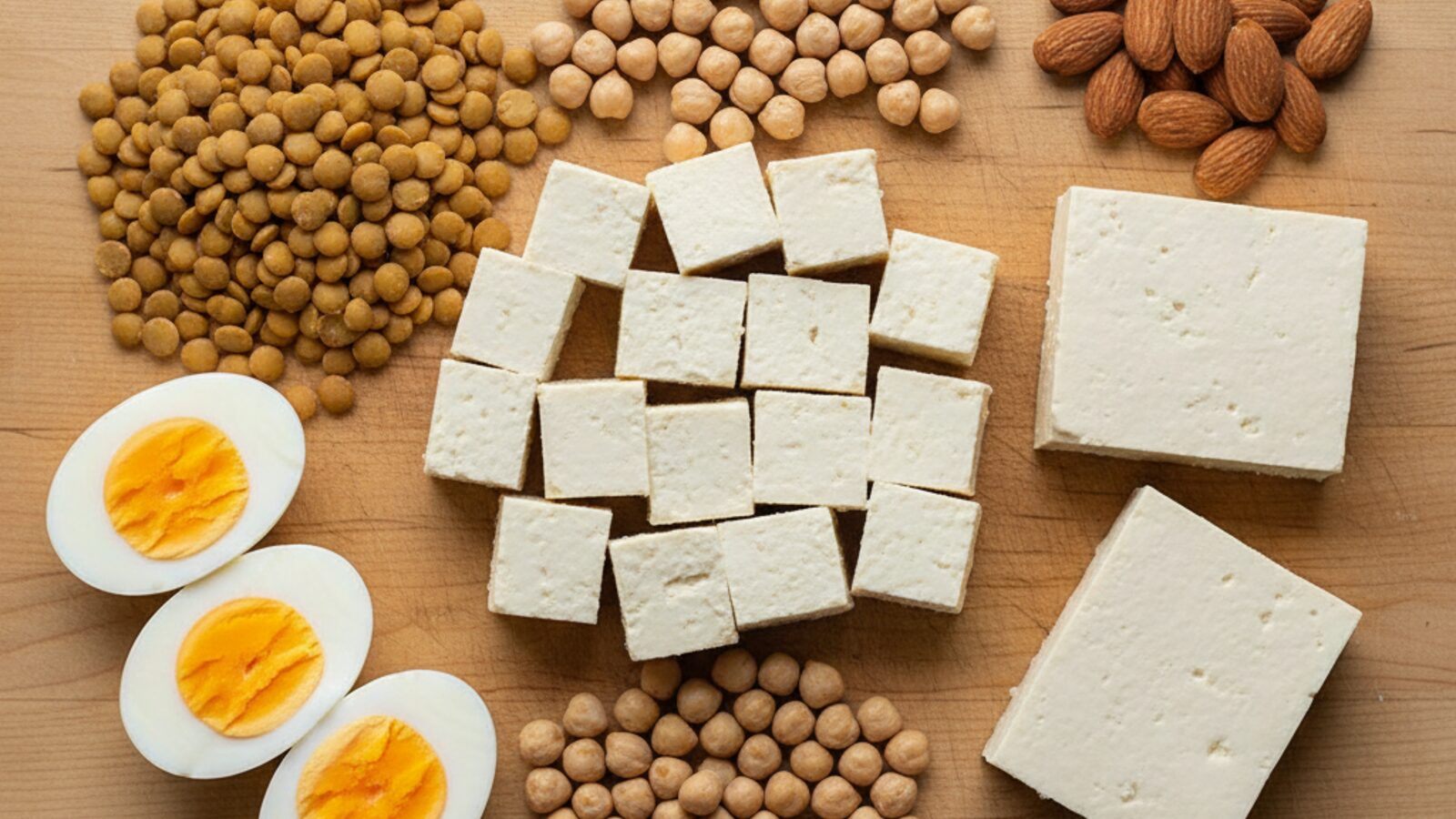
Vegetarians can absolutely hit 100g+ of protein a day. The mistake most people make is relying on whole grains alone — which barely scratches the surface. Here are 20 vegetarian protein sources ranked by grams per realistic serving.
Top 10 Heavy Hitters
1. Soya chunks (dry, 50g) — 26g 2. Paneer (100g) — 18g 3. Tofu, firm (100g) — 17g 4. Tempeh (100g) — 19g 5. Greek yogurt, plain (200g) — 18g 6. Cottage cheese (100g) — 11g 7. Lentils, cooked (1 cup) — 18g 8. Chickpeas, cooked (1 cup) — 15g 9. Black beans, cooked (1 cup) — 15g 10. Edamame (1 cup) — 17g
Next 10 — Easy Daily Additions
11. Eggs (2 large) — 12g 12. Milk (250ml) — 8g 13. Quinoa, cooked (1 cup) — 8g 14. Almonds (30g) — 6g 15. Pumpkin seeds (30g) — 9g 16. Hemp seeds (3 tbsp) — 9g 17. Peanut butter (2 tbsp) — 7g 18. Oats (1 cup cooked) — 6g 19. Green peas (1 cup) — 9g 20. Whey or plant protein scoop — 20–25g
Sample 100g-Protein Vegetarian Day
Breakfast: Greek yogurt + oats + chia (25g) Lunch: Chickpea bowl with quinoa and paneer cubes (35g) Snack: Boiled egg + handful almonds (10g) Dinner: Tofu stir-fry with mixed vegetables and brown rice (30g) Total: ~100g
Combining for Complete Proteins
Pair grains with legumes throughout the day (rice + dal, hummus + bread, beans + corn). With variety, complete-protein worries are largely outdated for healthy adults.
The Biological Logic of Plant-Based Muscle Synthesis
To understand why certain vegetarian protein sources are more effective than others, one must look toward the biological value (BV) and the Protein Digestibility Corrected Amino Acid Score (PDCAAS). Unlike animal proteins, which are generally considered 'gold standards' because they contain all nine essential amino acids in the correct proportions, plant proteins are often limited by one or more amino acids, such as methionine or lysine. However, modern nutritional science, backed by the Harvard T.H. Chan School of Public Health, clarifies that as long as a variety of protein sources are consumed throughout the day, the body can successfully assemble the 'amino acid pool' necessary for muscle repair and enzymatic functions.
The cellular architecture of plant-based protein also differs significantly from animal tissue. Plant proteins are encased in fibrous cell walls, which can sometimes slow down the absorption rate. This is not necessarily a disadvantage; the slow-release nature of lentils and chickpeas ensures a steady supply of amino acids into the bloodstream, preventing the rapid insulin spikes often associated with refined carbohydrates. Furthermore, research published by the National Institutes of Health (NIH) suggests that the high phytonutrient and antioxidant content found alongside plant proteins can reduce systemic inflammation, a benefit rarely found in processed meat sources.
Understanding Bioavailability and Absorption Rates
Bioavailability refers to how much of the protein you eat is actually absorbed and utilized by the body. For instance, the protein in a boiled egg has a biological value of nearly 100, whereas wheat protein sits at around 64. For vegetarians, this means that while a slice of whole-wheat bread may contain 4 grams of protein, your body may only utilize a fraction of that for muscle building unless it is paired with a lysine-rich source like peanut butter or hummus. Prioritizing high-bioavailability sources like whey, casein, or soy is essential for those with higher caloric needs.
Strategic Macro-Balancing for Weight Management
A common pitfall for those transitioning to a high-protein vegetarian diet is the 'carb-heavy protein trap.' Many popular vegetarian protein sources, such as chickpeas, kidney beans, and lentils, are excellent nutrition sources but are primarily carbohydrates. For every 7 to 9 grams of protein in a half-cup of cooked lentils, there are approximately 20 grams of net carbohydrates. For individuals tracking macronutrients for weight loss or blood sugar management, relying solely on legumes can lead to an accidental calorie surplus. To counter this, one must integrate 'pure' protein sources that have a higher protein-to-carb ratio.
Soy products like tempeh and extra-firm tofu are the champions of this ratio. A 100-gram serving of tofu provides roughly 10 grams of protein with only 2 grams of carbohydrates. Similarly, Greek yogurt and cottage cheese offer high protein density without the starch found in grains. For those avoiding soy and dairy, seitan—made from wheat gluten—is an outlier in the plant world, offering nearly 25 grams of protein per 100-gram serving with minimal carbs. Balancing these high-density options with whole food legumes ensures satiety without overshooting your daily energy requirements.
The Diversity Principle: Beyond the 'Complete Protein' Myth
The myth that plant proteins are 'incomplete' and must be eaten at the exact same meal has been largely debunked by global health organizations, including the Academy of Nutrition and Dietetics. The body maintains a reservoir of amino acids that it draws from throughout the 24-hour cycle. Therefore, the focus should shift from 'perfect meals' to 'perfect days.' By consuming a wide spectrum of legumes, nuts, seeds, and grains, vegetarians automatically cover the full essential amino acid profile. This variety also ensures an intake of critical micronutrients like iron, zinc, and B12, which are often found in varying concentrations across different plant groups.
For those looking to maximize muscle protein synthesis—the process of repairing and building muscle tissue—the timing and distribution of these proteins do matter. Studies indicate that consuming 20 to 30 grams of protein every 3 to 4 hours is more effective for muscle growth than consuming one massive protein-heavy meal at dinner. This is particularly relevant for vegetarian athletes who may struggle to consume large volumes of fibrous food in a single sitting. Breaking down your intake into four or five servings allows the digestive system to process the fiber comfortably while maintaining a positive nitrogen balance.
The Synergy of Grain and Legume Pairings
Legumes like beans and lentils are high in lysine but low in methionine. Conversely, grains like rice and wheat are high in methionine but low in lysine. When you consume both throughout the day, they complement each other perfectly. Traditional cuisines have intuitively practiced this for centuries—think of Rajma-Chawal (kidney beans and rice) in India, or beans and corn tortillas in Central America. These pairings aren't just culturally significant; they are biologically optimized for human survival and growth.
The Role of Supplements in a Vegetarian Framework
While eating whole foods is the foundation of any healthy diet, the high fiber content in many vegetarian proteins can cause digestive distress when consumed in the quantities required to meet high protein goals (e.g., 150g/day). This is where high-quality supplementation becomes a tactical advantage. For vegetarians who consume dairy, whey protein isolate is one of the most studied and effective supplements for muscle recovery. It is rapidly absorbed and contains high levels of leucine, the primary branched-chain amino acid (BCAA) responsible for triggering muscle growth.
For vegans or those with dairy sensitivities, multi-source plant protein powders (such as a pea and brown rice blend) offer an amino acid profile that rivals whey. It is important to look for 'third-party tested' labels to ensure the absence of heavy metals, which can sometimes accumulate in soil-grown protein crops. Supplementation should not replace meals but should be used strategically—post-workout or as a fortifier for oatmeal and smoothies—to close the gap between a moderate protein intake and an optimal one without the bloating associated with eating five bowls of beans.
Common Pitfalls and Digestive Optimization
The most common mistake beginners make is a rapid increase in fiber intake without a corresponding increase in water. Because many high-protein vegetarian foods (beans, lentils, seeds) are fiber-dense, the digestive system requires time to adapt. Another frequent error is relying too heavily on 'fake meats' or highly processed vegan nuggets. While these products are convenient and protein-rich, they often contain excessive sodium, inflammatory seed oils, and artificial binders that can negate the health benefits of a vegetarian lifestyle. Reading labels to distinguish between 'isolated soy protein' and 'whole fermented soy' is a crucial skill.
Furthermore, overlooking the importance of preparation methods can hinder nutrient absorption. Legumes contain 'anti-nutrients' like phytates and lectins, which can bind to minerals and reduce protein digestibility. Traditional methods such as soaking dried beans for 12-24 hours, sprouting seeds, or fermenting soy (as in tempeh) significantly reduce these compounds. This makes the protein more accessible to the body and reduces the likelihood of gas and bloating. Neglecting these preparation steps is a primary reason why many people feel fatigued or uncomfortable on a high-protein vegetarian diet.
Micronutrient Co-Factors for Protein Metabolism
Vegetarians must pay close attention to Vitamin B12 and Iron, as these are often co-factors in protein metabolism. Iron from plant sources (non-heme iron) is less easily absorbed than iron from meat (heme iron). To fix this, always pair your protein-rich iron sources, like spinach or lentils, with a Vitamin C source like lemon juice or bell peppers. This simple culinary trick can increase iron absorption by up to 300%, ensuring your body has the oxygen-carrying capacity needed to fuel the workouts that build muscle.
Life-Stage Considerations and Evolving Requirements
A high-protein vegetarian diet should not be static; it should evolve through the stages of life. For instance, the World Health Organization (WHO) notes that as we age, our bodies become less efficient at processing protein (a condition known as anabolic resistance). Therefore, a 65-year-old vegetarian may actually need a higher protein-to-calorie ratio than a sedentary 30-year-old to prevent sarcopenia, or age-related muscle loss. Focusing on high-leucine vegetarian foods like pumpkin seeds and soy becomes vital in these later years.
During pregnancy and lactation, protein requirements also spike to support fetal development and milk production. During these times, the focus should shift toward highly digestible proteins like eggs (if lacto-ovo vegetarian) and sprouted legumes. Conversely, for children and adolescents, the focus is on caloric density alongside protein to support rapid growth. Understanding your current physiological state allows you to adjust your vegetarian protein sources—moving from lighter options like silken tofu to more calorie-dense options like nut butters and hemp hearts as energy demands change.
Long-Term Sustainability and Meal Prepping Strategies
If you are transitioning to a high-protein vegetarian lifestyle for the long haul, sustainability is key. This means moving beyond 'willpower' and into 'systems.' Batch-prepping is the most effective tool for success. Boiling a large pot of quinoa, marinating three blocks of tofu, and whisking up a Greek yogurt-based dressing on Sundays can save hours of decision fatigue during the work week. When life gets busy, people tend to default to simple carbohydrates (pasta, bread); having protein-rich components ready to 'assembly-line' into a bowl ensures consistency.
Finally, listen to your body's biofeedback. While protein is the buzzword of the decade, it must exist in harmony with healthy fats and complex carbohydrates. If you feel chronically sluggish despite high protein intake, you may be under-eating carbohydrates, which are the body's preferred fuel for high-intensity exercise. A sustainable vegetarian diet is one that feels vibrant and varied, not restrictive. By rotating your protein sources—lentils one week, seitan the next, tempeh the following—you prevent palate fatigue and ensure a wider spectrum of phytonutrients, making your health journey both physically and mentally rewarding.
When to Seek Medical Guidance: Safety and Monitoring
While meat-free diets are generally safe and health-promoting, there are certain medical conditions where a sudden shift to high-protein vegetarianism requires professional oversight. Individuals with chronic kidney disease (CKD) must be cautious, as the kidneys are responsible for filtering the nitrogenous waste produced during protein metabolism. While some studies suggest plant proteins are easier on the kidneys than animal proteins, phosphorus and potassium levels in beans and nuts must be strictly monitored in these cases. Always consult a nephrologist or registered dietitian in the presence of renal issues.
Additionally, those with severe irritable bowel syndrome (IBS) or SIBO (Small Intestinal Bacterial Overgrowth) may find the high fermentable oligosaccharides (FODMAPs) in beans and lentils triggered significant flares. In such instances, focusing on low-FODMAP protein sources like firm tofu, eggs, and specific protein powders is necessary. If you experience persistent brain fog, extreme fatigue, or unintended weight loss after switching to a high-protein vegetarian diet, it is essential to see a doctor for a full blood panel to check for anemias or deficiencies in B12 and Vitamin D, which are critical for overall metabolic health.
Key Takeaways
- Aim for 1.6g protein per kg bodyweight — split across 3–4 meals.
- Soya, paneer, tofu, lentils, and Greek yogurt do most of the heavy lifting.
- Variety across the day makes complete-protein concerns a non-issue.
Frequently Asked Questions
Can vegetarians build muscle?
Absolutely. Total protein, training, and recovery matter — not the source.
Is soya safe daily?
Yes. Decades of research show moderate soy (1–2 servings daily) is safe and beneficial for most adults.
Conclusion
Print this list, stick it on the fridge, and let it quietly fix your protein numbers within a week.
Sources & Further Reading
More on Healthy Eating
- → Nutrient Timing: How to Optimize Meals for Energy and Recovery
- → Decoding Food Labels: Hidden Sugars, Additives, and Processed Foods
- → Healthy Eating Habits for Beginners: A Simple Starter Guide
You may also like
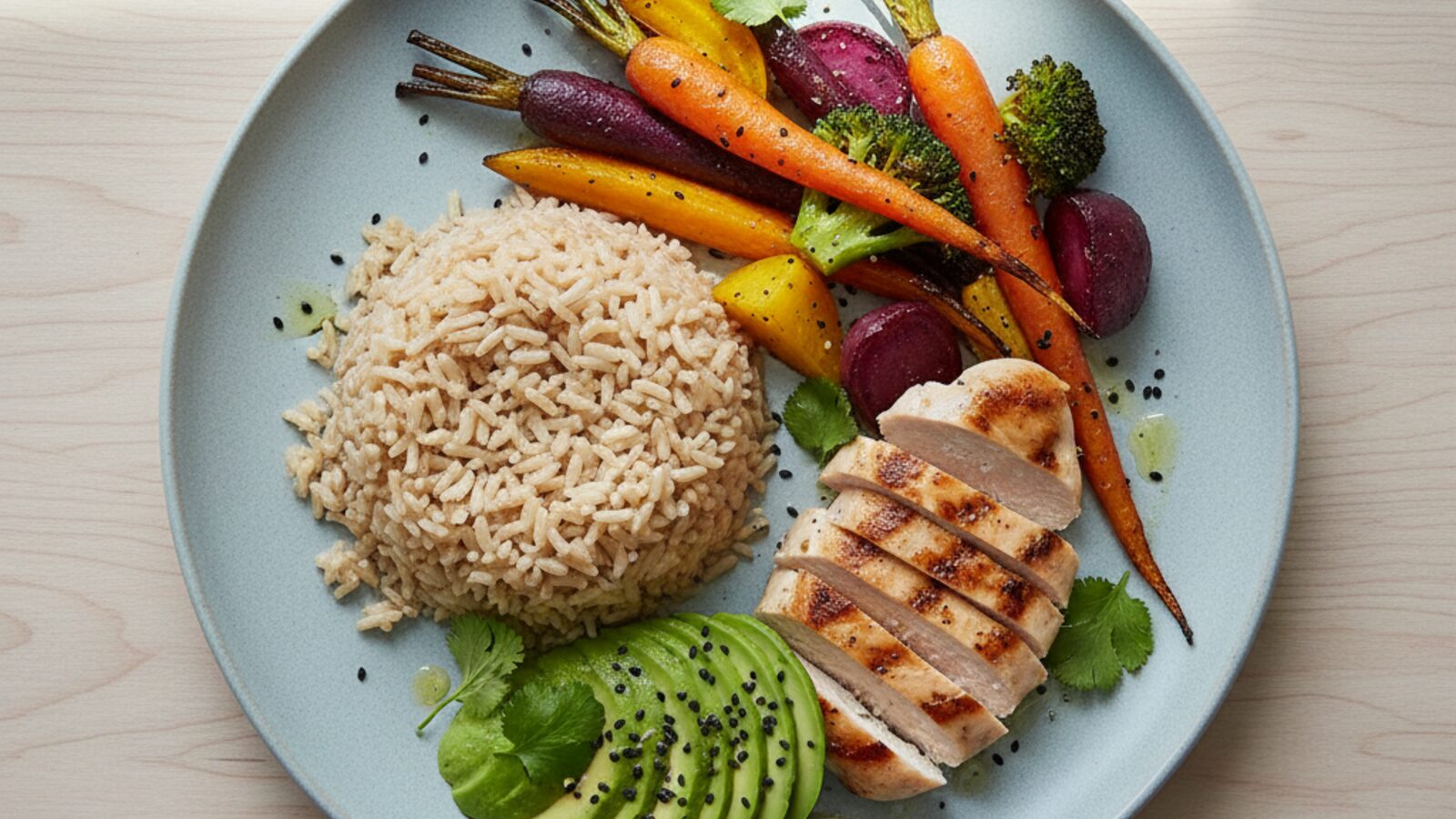
Healthy Eating Habits for Beginners: A Simple Starter Guide
If you've ever felt overwhelmed by nutrition advice, this calm, beginner-friendly guide breaks healthy eating down into small habits you can start today.
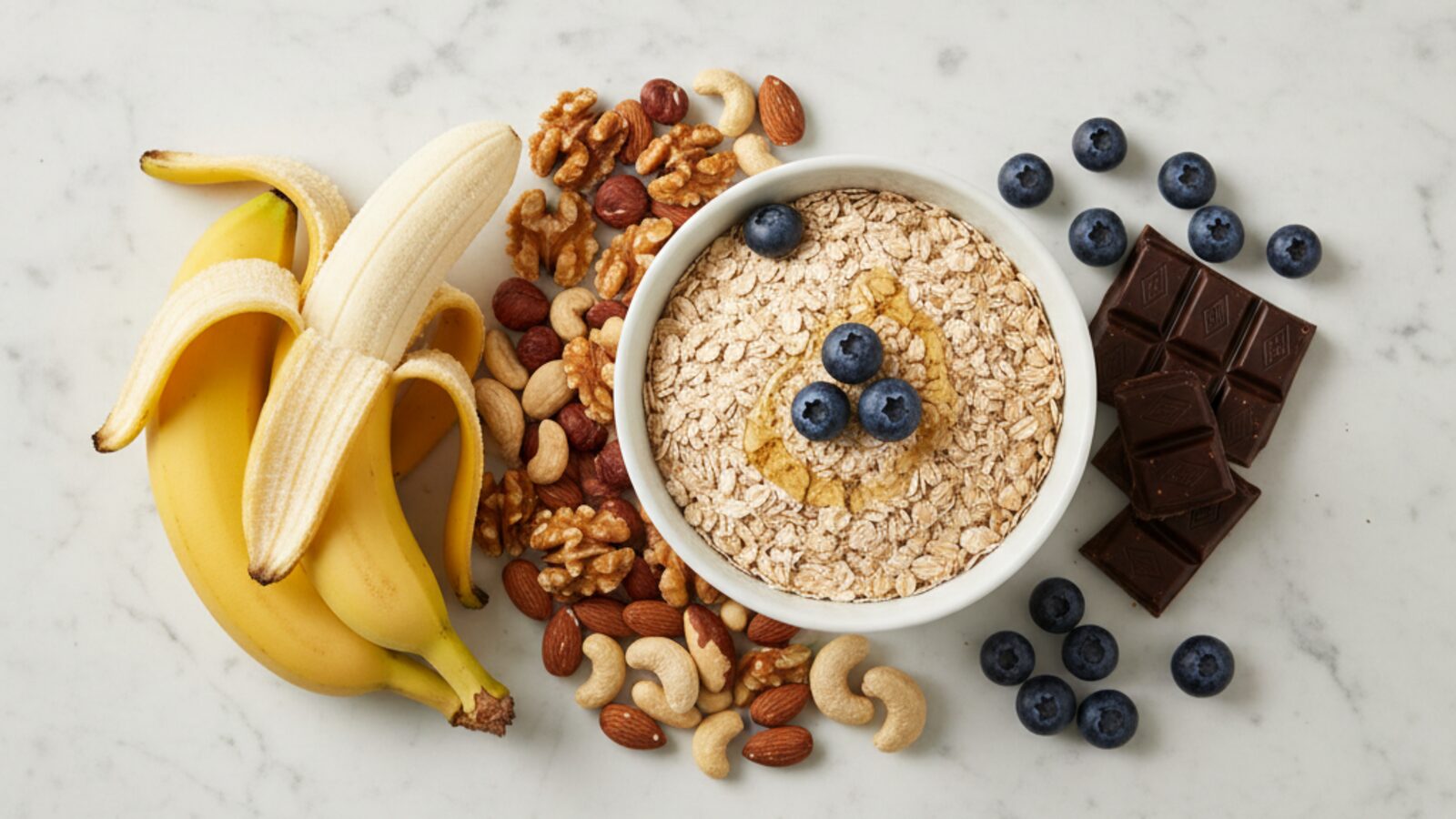
10 Foods That Naturally Boost Energy (No Caffeine Crash)
Ten everyday foods that deliver real, sustained energy — not a caffeine spike followed by an afternoon crash.
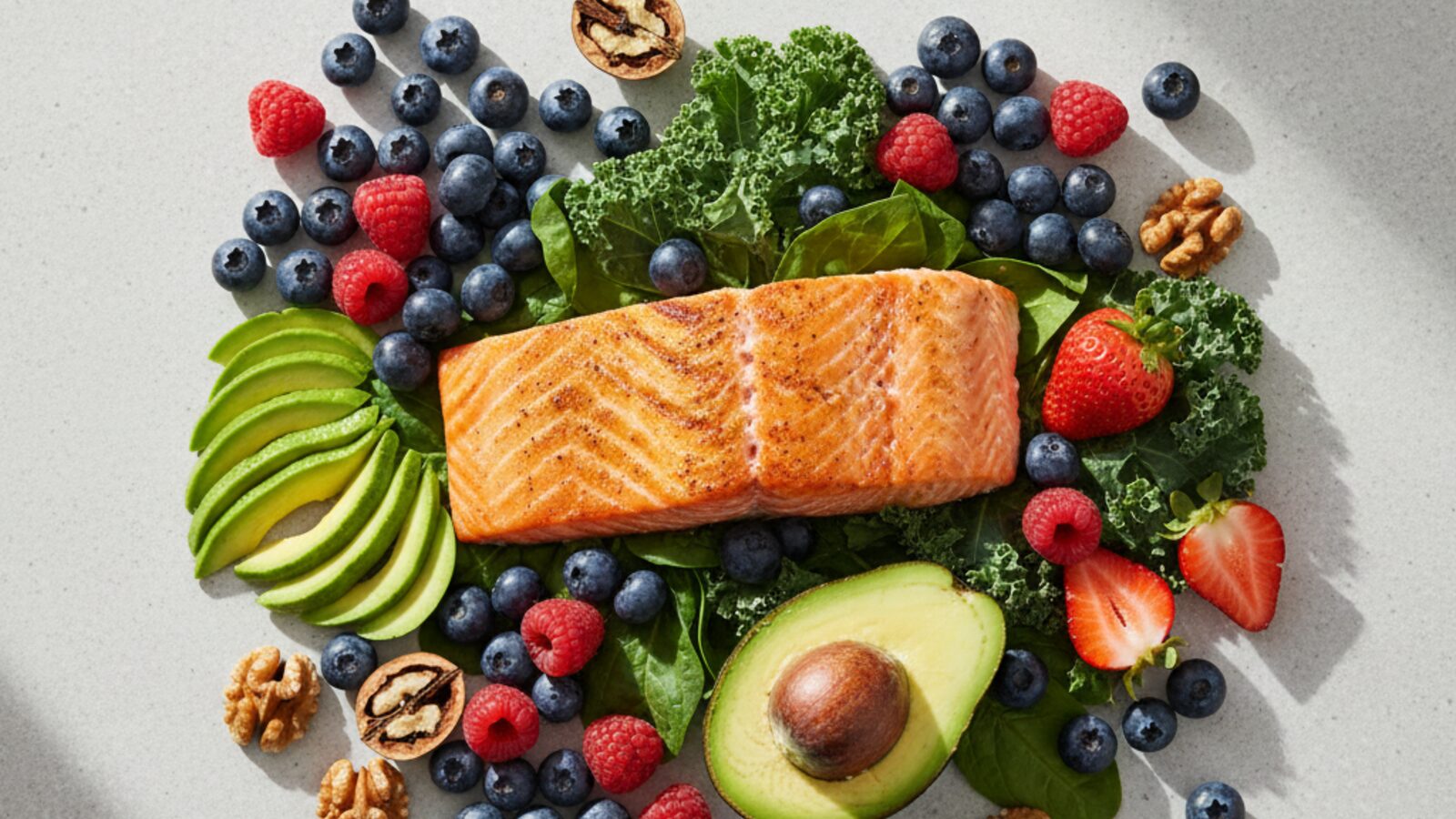
12 Best Foods for Healthy, Glowing Skin (Dermatologist-Approved)
Twelve everyday foods that genuinely improve skin clarity, hydration, and elasticity — backed by dermatology research.