12 Common Nutrition Mistakes to Avoid (Even Healthy Eaters Make These)
The twelve nutrition mistakes that quietly sabotage even careful eaters — and exactly how to fix each one.


Eating clean and eating smart are not the same thing. Here are twelve mistakes that quietly sabotage even disciplined eaters — and the simple fix for each.
The 12 Mistakes
1. Under-eating protein. Fix: 1.6g per kg bodyweight. 2. Drinking your calories. Fix: water, black coffee, unsweetened tea. 3. Fearing carbs. Fix: whole grains, fruits, vegetables. 4. Over-pouring oil. Fix: measure with a spoon. 5. "Healthy" snacks that aren't. Fix: read labels — granola bars are candy. 6. Skipping vegetables. Fix: half your plate. 7. Treating salads as light. Fix: watch dressings and croutons. 8. Eating mindlessly while distracted. Fix: phone-free meals. 9. Cleansing or detoxing. Fix: your liver handles it. 10. Cutting entire food groups. Fix: balance over elimination. 11. Following influencer plans without context. Fix: consult a dietitian. 12. Weighing yourself daily and panicking. Fix: weekly weigh-ins, monthly photos.
How to Audit Your Diet in 7 Days
Track everything you eat — honestly — for one week using any free app. You're not changing yet, just observing. Most people identify their three biggest mistakes by Day 4.
The Deeper Science of Nutrient Bioavailability and Metabolic Efficiency
To truly understand why nutrition mistakes are so common, we must look at the physiological mechanism of nutrient absorption and satiety. The human body does not track calories in a vacuum; it responds to complex hormonal signals such as leptin, ghrelin, and insulin. When we inadvertently consume foods that disrupt these signals—even if those foods are marketed as healthy—we create a metabolic environment that promotes fat storage and energy dips. For example, many people prioritize low-calorie counts while ignoring the glycemic load of their meals, leading to rapid spikes in blood sugar that eventually crash, triggering intense hunger and overeating later in the day.
Furthermore, the biological bioavailability of nutrients is a critical factor often overlooked by the average enthusiast. Consuming high amounts of vitamins and minerals is ineffective if the body cannot absorb them due to poor gut health or improper food pairing. For instance, fat-soluble vitamins such as A, D, E, and K require the presence of dietary lipids for absorption. A person eating a 'perfectly healthy' salad with no fat source (like olive oil or avocado) may be missing out on a significant portion of the antioxidants they are consuming. Understanding these biochemical nuances is the difference between a diet that looks good on paper and one that actually nourishes the body on a cellular level.
The Role of Metabolic Inflexibility
Nutrition is not just about fuel; it is about communication. Every bite of food sends a signal to your DNA and hormones. High-fructose corn syrup and excessive refined carbohydrates send signals of storage and inflammation. Conversely, high-quality proteins and fibrous vegetables send signals of repair and satiety. When these signals get crossed due to frequent grazing or excessive processed 'health' foods, the body enters a state of metabolic inflexibility, where it loses the ability to efficiently switch between burning sugar and burning stored body fat.
Bridging the Gap Between Macros and Micronutrients
A significant nutrition error involves over-emphasizing 'macros' (protein, carbohydrates, and fats) while neglecting 'micros' (vitamins and trace minerals). This often leads to a phenomenon known as hidden hunger, where a person consumes adequate calories but remains nutrient-deficient. The World Health Organization (WHO) has highlighted that deficiencies in iodine, vitamin A, and iron are global health concerns, yet even in developed nations, sub-clinical magnesium and zinc deficiencies are rampant. These micronutrients act as essential co-factors for enzymatic reactions; without them, the metabolic machinery slows down, leading to fatigue and a weakened immune system.
To correct this, one must move beyond the 'if it fits your macros' (IIFYM) philosophy and embrace a 'nutrient density first' approach. This means selecting foods based on their nutrient-to-calorie ratio. For example, while a 200-calorie portion of white bread and a 200-calorie portion of kale and salmon may have similar caloric values, their impact on the body is vastly different. The latter provides essential fatty acids, high-quality amino acids, and a spectrum of phytonutrients that support liver detoxification and hormone synthesis, whereas the former offers little more than glucose.
The Importance of Phytonutrient Diversity
Phytonutrients are bioactive compounds found in plants that, while not essential for life like vitamins, are essential for optimal health and longevity. These include lycopene in tomatoes, sulforaphane in cruciferous vegetables, and anthocyanins in berries. Common mistakes often involve eating the same 'safe' healthy foods every day (e.g., chicken and broccoli). This lack of dietary diversity leads to a narrow microbiome profile and a deficiency in these protective plant compounds. Aiming for thirty different plant species per week is a research-backed method to improve gut health and micronutrient status.
Building a Sustainable Nutrition Infrastructure
Sustainable nutrition is rarely about drastic overhauls; it is built on the foundation of habit architecture. Many individuals fail because they attempt to change too many variables at once, leading to decision fatigue. According to clinical psychology, the most successful dietary changes are those that are integrated into existing routines. This is often called 'habit stacking.' For example, if you already drink a cup of coffee every morning, 'stacking' a habit of drinking 16 ounces of water before that coffee ensures you begin your day hydrated without requiring significant willpower.
Another pillar of sustainability is the environmental design of your kitchen and workspace. Humans are biologically wired to seek out the most easily accessible calories. If the first thing you see when you open your pantry is a box of crackers, you are statistically more likely to eat them, regardless of your long-term health goals. A strategic fix involves placing pre-washed fruits and vegetables at eye level in the refrigerator and keeping processed snacks in opaque containers on high shelves. By increasing the 'friction' required to make poor choices and decreasing the friction for healthy ones, you allow your environment to do the heavy lifting of dieting for you.
Scenario-Based Nutrition: Adjusting for Lifestyle and Activity
A common error in modern dieting is the failure to recognize that nutritional needs vary significantly based on activity level, age, and biological sex. A sedentary office worker does not require the same carbohydrate intake as a competitive athlete, yet many follow 'one-size-fits-all' diet plans found online. The NIH emphasizes that personalization is key to preventing metabolic syndrome. For active individuals, failing to consume enough protein post-workout can lead to muscle wasting, while for the sedentary, excessive carbohydrate intake can lead to insulin resistance.
Furthermore, the timing of nutrient intake—or chrononutrition—is becoming an essential field of study. Research suggests that our bodies are more insulin sensitive in the morning and early afternoon compared to late at night. Consuming a large, carbohydrate-heavy meal right before bed can lead to elevated blood glucose levels throughout the night, disrupting sleep quality and growth hormone production. Adjusting your eating window to align with your natural circadian rhythm can enhance digestion and energy levels without necessarily changing what you eat, only when you eat it.
The Role of Hydration and Electrolyte Balance
Hydration is frequently the most overlooked component of a nutrition plan. Dehydration is often mistaken for hunger by the brain, leading to unnecessary caloric intake. Moreover, the quality of hydration matters; drinking large amounts of distilled water can flush out electrolytes like sodium and potassium, leading to imbalances. Integrating natural electrolytes—such as a pinch of sea salt or a squeeze of lemon—can improve cellular hydration and prevent the brain fog often associated with 'dieting.'
When Healthy Eating Becomes Harmful: Who Should Be Cautious?
While taking ownership of your health is vital, there is a point where a focus on healthy eating becomes counterproductive. Orthorexia nervosa, a term for a pathological obsession with eating 'pure' or 'clean' food, is an increasing concern in the wellness community. When the pursuit of a perfect diet leads to social isolation, anxiety, or the elimination of entire food groups without medical necessity, it transitions from a health-building habit to a psychological burden. Real health includes psychological flexibility—the ability to enjoy a meal with friends without obsessing over ingredients.
Additionally, people with specific medical conditions should exercise caution before following popular internet nutrition trends. For example, individuals with chronic kidney disease (CKD) may need to limit protein and potassium, which are core components of many 'healthy' diets. Those with gallbladder issues may struggle with the high fat content of a ketogenic diet. It is essential to consult with a registered dietitian or a medical professional before making radical shifts, especially if you have pre-existing conditions or are taking medications that could interact with certain nutrients (such as vitamin K and blood thinners).
The Hidden Pitfalls of Health Foods and Liquid Nutrition
Even dedicated healthy eaters often fall into the trap of 'health halo' marketing. This occurs when a product is labeled as 'organic,' 'gluten-free,' or 'non-GMO,' leading consumers to perceive it as low-calorie or universally healthy. A gluten-free cookie is still a cookie, often containing more sugar and processed starches than a standard version to compensate for texture. Reading the ingredient list rather than the front-of-package marketing is the only way to avoid this mistake. If the first three ingredients are forms of sugar or refined oils, the food is likely an ultra-processed product in a healthy disguise.
Another frequent error is the overconsumption of liquid calories, including green juices and smoothies. While these can be nutrient-dense, they lack the fiber found in whole fruits and vegetables. Fiber slows down the gastric emptying process and the absorption of sugar into the bloodstream. When you strip away the fiber, as is done in juicing, you are essentially consuming a concentrated dose of fructose that can strain the liver. Smoothies are better as they retain fiber, but because they are predigested by a blender, they do not trigger the same satiety signals as chewing whole food, often leading to hunger shortly after consumption.
The Sodium Trap in Packaged Health Foods
Sodium is another hidden ingredient in many healthy-labeled foods, particularly canned beans, broths, and frozen veggie meals. While the body needs sodium, excessive amounts contribute to hypertension and water retention. Rinsing canned goods or opting for 'low-sodium' versions can significantly reduce this intake without sacrificing the convenience of these pantry staples.
Long-Term Sustainability and When to Consult a Professional
Long-term nutritional success is not about perfection; it is about resilience and the ability to course-correct. The most common mistake that leads to failure is the 'all-or-nothing' mindset. When an individual 'slips up' and eats something off-plan, they often conclude that the day is ruined and continue to make poor choices until the following Monday. This 'black-and-white' thinking is the enemy of consistency. A single meal does not define your health; the aggregate of your choices over weeks and months does.
Finally, individuals should be aware of the physical signs that their nutrition plan requires an adjustment. Persistent symptoms like brittle nails, thinning hair, constant coldness, or disrupted menstrual cycles are often the body's way of signaling a nutrient deficiency or chronic under-eating. If you experience these symptoms, or if your relationship with food starts to cause significant stress, it is time to see a doctor or a registered dietitian. Blood work can identify specific deficiencies in vitamin D, B12, or ferritin that cannot be fixed by 'eating cleaner' alone. Professional guidance ensures that your pursuit of health is actually making you healthier, rather than just thinner or more disciplined.
Key Takeaways
- Under-eating protein and over-pouring oil are the two most common silent issues.
- Liquid calories and packaged 'health' foods derail more diets than dessert does.
- A 7-day honest audit reveals the issues no article can predict for you.
Frequently Asked Questions
What's the #1 nutrition mistake?
Under-eating protein. It causes hunger, muscle loss, and frustration on every weight loss attempt.
Are cheat meals bad?
No, planned ones are fine. Unplanned daily 'small treats' are what add up.
Conclusion
Fix two of these this week and you'll feel a difference inside ten days. Nutrition rewards honesty more than ambition.
Sources & Further Reading
More on Healthy Eating
- → Nutrient Timing: How to Optimize Meals for Energy and Recovery
- → Decoding Food Labels: Hidden Sugars, Additives, and Processed Foods
- → Healthy Eating Habits for Beginners: A Simple Starter Guide
You may also like

Healthy Eating Habits for Beginners: A Simple Starter Guide
If you've ever felt overwhelmed by nutrition advice, this calm, beginner-friendly guide breaks healthy eating down into small habits you can start today.
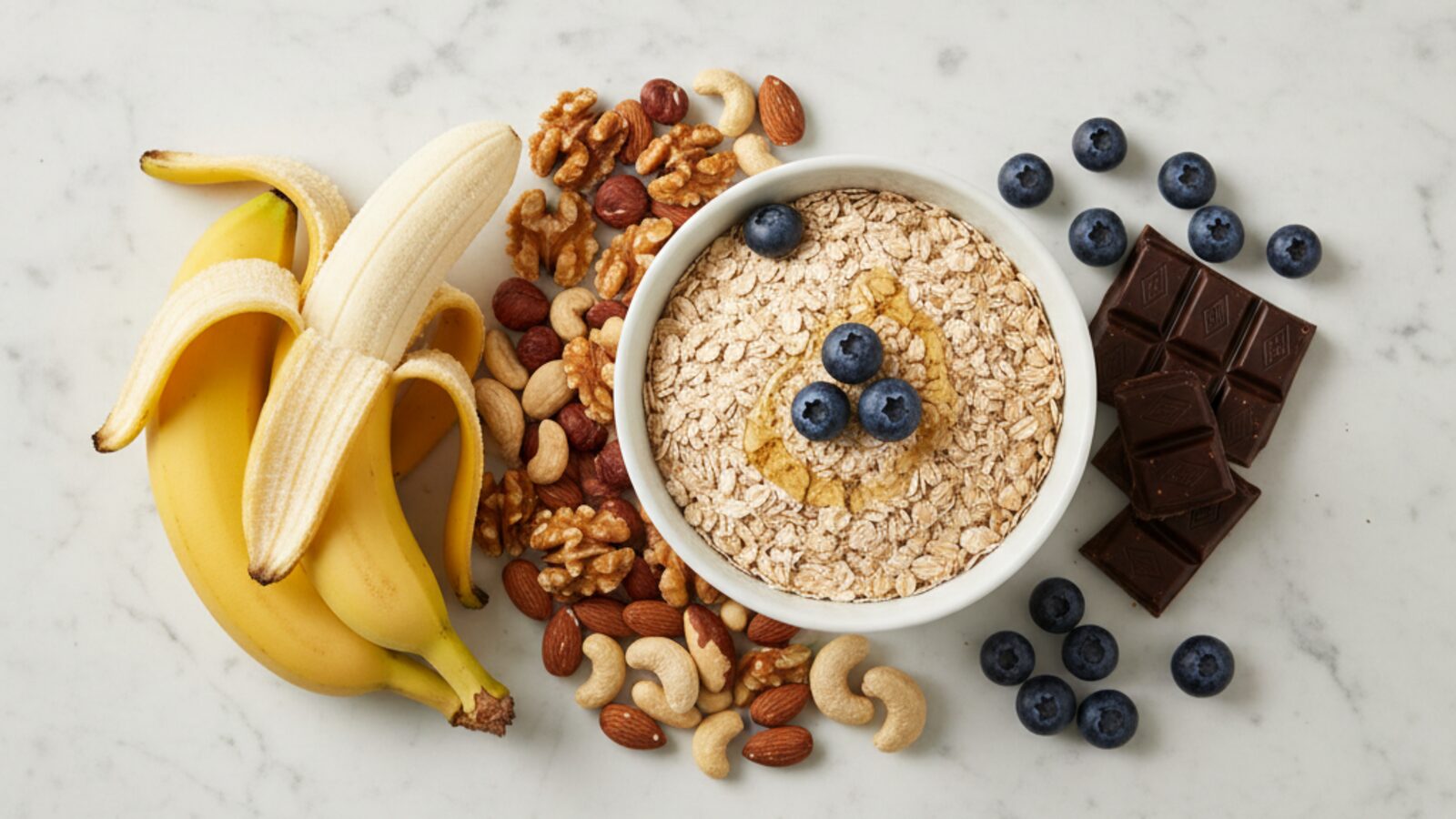
10 Foods That Naturally Boost Energy (No Caffeine Crash)
Ten everyday foods that deliver real, sustained energy — not a caffeine spike followed by an afternoon crash.
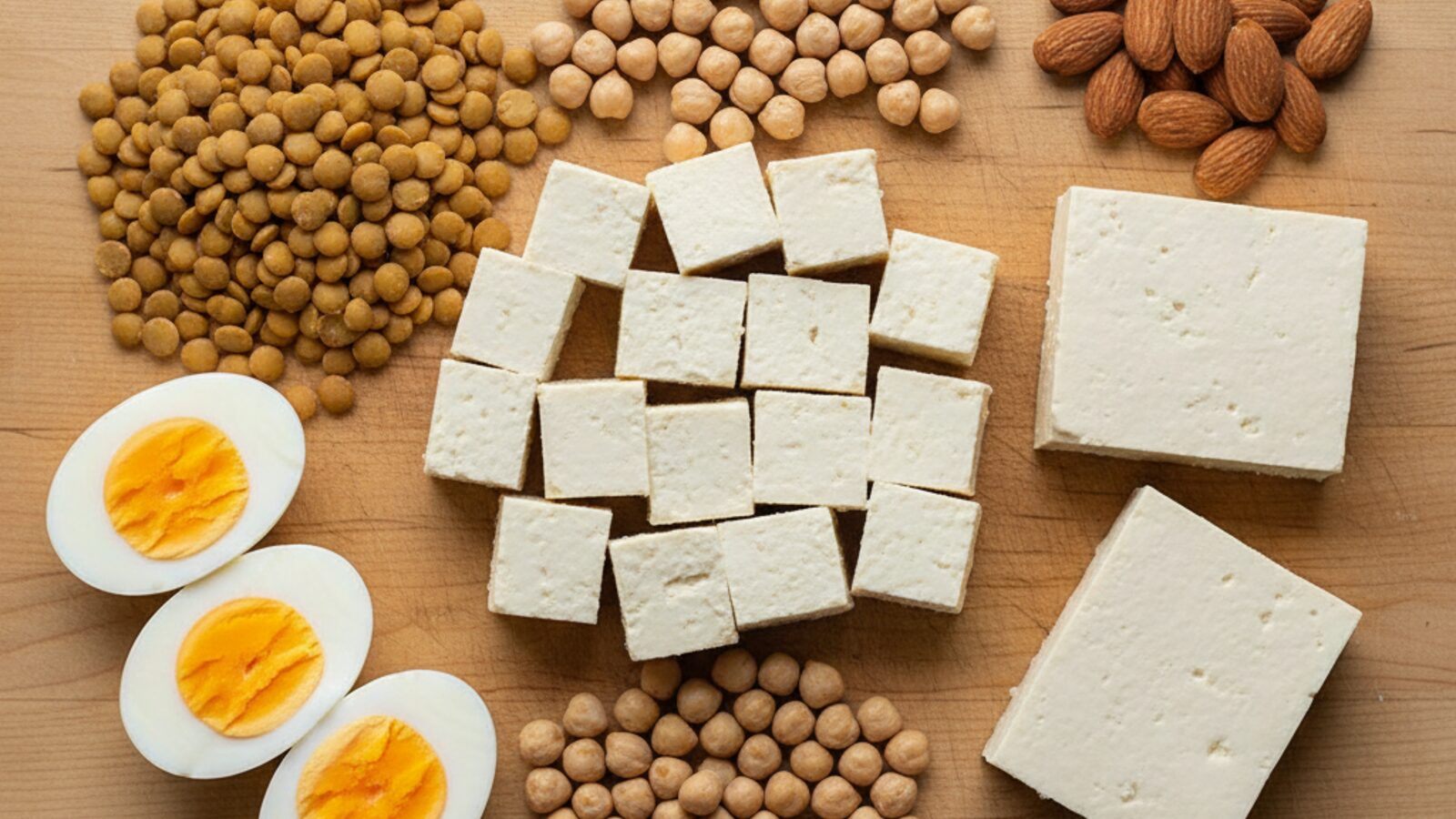
20 Best Protein-Rich Vegetarian Foods (With Grams Per Serving)
A practical, ranked list of vegetarian protein sources with grams per serving — so you can actually hit your protein target.