10 Foods That Naturally Boost Energy (No Caffeine Crash)
Ten everyday foods that deliver real, sustained energy — not a caffeine spike followed by an afternoon crash.

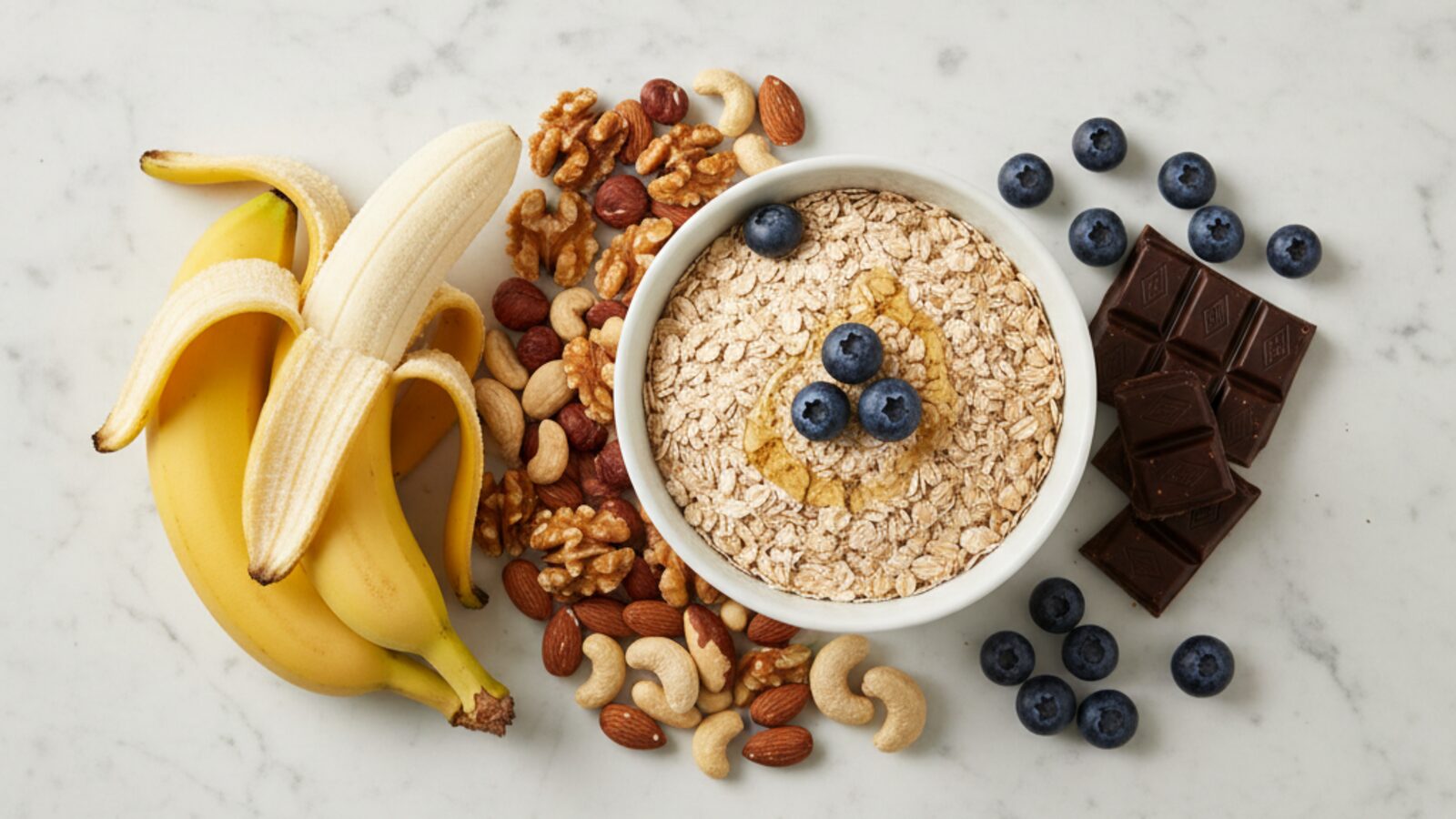
Energy is not really about coffee. It is about steady blood sugar, healthy iron levels, B-vitamins, and the kind of fats your brain actually uses. These ten foods deliver all of that — without the 3pm crash that comes from another latte.
1. Oats
Slow-digesting carbohydrates plus soluble fibre means a steady glucose release for four to five hours. Cook them with milk for extra protein, top with berries for antioxidants.
2. Bananas
A medium banana gives you 105 calories of fast carbs, 9% of daily potassium, and vitamin B6 — perfect 30 minutes before exercise.
3. Eggs
Complete protein, choline for brain function, and roughly 70 calories each. Two eggs at breakfast keeps morning hunger flat for hours.
4. Spinach and Dark Leafy Greens
Iron, folate, and magnesium — three nutrients that, when low, present as constant tiredness. A handful in a smoothie or omelette is enough.
5. Almonds and Walnuts
Healthy fats and a slow trickle of protein. A small handful (about 30g) is a smarter mid-afternoon snack than a granola bar.
6. Sweet Potatoes
Complex carbs plus vitamin A and a respectable dose of vitamin C. Baked sweet potato wedges are the easiest pre-workout meal in the world.
7. Greek Yogurt
High protein, gut-friendly probiotics, and natural calcium. Pair with berries and a drizzle of honey for a fast, sustaining snack.
8. Lentils and Beans
Plant-based protein, iron, and fibre. A cup of cooked lentils delivers 18g of protein for under 230 calories.
9. Fatty Fish
Salmon, sardines, and mackerel are rich in omega-3s and vitamin D. Both are linked to reduced fatigue and better mood regulation.
10. Dark Chocolate (70%+)
A small square delivers iron, magnesium, and a small caffeine bump without the jitters. Yes, this counts as health food in moderation.
The Biological Mechanism of Sustained Energy
Understanding why certain foods provide lasting energy while others lead to a crash requires a look at the glycemic index (GI). The GI measures how quickly a carbohydrate-containing food raises blood glucose levels. Foods with a high GI, like white bread or sugary cereals, cause a rapid spike in insulin, followed by a precipitous drop that leaves you feeling exhausted and irritable. In contrast, low-GI foods, which many energy-boosting staples fall into, provide a slow and steady release of glucose into the bloodstream. This physiological consistency ensures that your brain and muscles have a constant supply of fuel throughout the day.
Beyond glucose, the cellular mechanism of energy involves the mitochondria, often referred to as the powerhouses of the cell. Efficient energy production depends on cofactors like magnesium, B-vitamins, and Coenzyme Q10. When we consume nutrient-dense whole foods, we are providing the raw materials necessary for the Krebs cycle—the sequence of reactions by which most living cells generate energy during the process of aerobic respiration. Chronic fatigue is often not a result of a lack of calories, but rather a lack of the micronutrients required to convert those calories into adenosine triphosphate (ATP), the body's primary energy currency.
The Role of Glucose and Fiber in Cognitive Clarity
While the body can use both carbohydrates and fats for fuel, the brain is particularly fond of glucose. However, when we rely on simple sugars, the brain experiences 'fog' during the inevitable dip. By consuming complex carbohydrates paired with fiber, we bypass this cognitive decline. Fiber slows down the digestion of starch, ensuring that the brain's energy supply is modulated rather than explosive.
The Critical Connection Between Iron and Stamina
Iron deficiency is one of the leading nutritional causes of fatigue globally, particularly among women and those following restrictive diets. Iron is a key component of hemoglobin, the protein in red blood cells that carries oxygen from the lungs to the rest of the body. When oxygen delivery is compromised, every metabolic process slows down, leading to feelings of lethargy and shortness of breath. The World Health Organization (WHO) identifies iron deficiency as the most common nutritional disorder in the world, affecting both industrialized and developing countries. To combat this, one must focus on both heme iron (found in animal products) and non-heme iron (found in plant sources like lentils and spinach).
However, simply eating iron-rich foods is only half the battle; bioavailability is the other crucial factor. Non-heme iron is more difficult for the body to absorb than heme iron. To maximize absorption, it is essential to pair plant-based iron sources with Vitamin C-rich foods. For example, adding a squeeze of lemon to your spinach or eating bell peppers with your beans can significantly increase the amount of iron your body successfully processes. Conversely, avoid drinking tea or coffee during meals, as the tannins and polyphenols found in these beverages can inhibit iron absorption by up to 60 percent.
Iron Storage and Ferritin Levels
The National Institutes of Health (NIH) notes that even 'marginal' iron deficiency—where you aren't yet clinically anemic—can result in reduced physical performance and cognitive endurance. This is why incorporating iron-dense foods consistently, rather than sporadically, is vital for maintaining high energy levels over the long term.
Common Mistakes in the Quest for Natural Energy
One of the most frequent mistakes people make when trying to boost their energy is overcomplicating their diet while ignoring hydration. Dehydration is a silent energy thief. Even mild dehydration—as little as 1% to 2% loss of body weight in fluid—can impair cognitive function, alertness, and physical coordination. When the body is dehydrated, blood volume decreases, making the heart work harder to pump oxygen and nutrients to the organs and muscles. This extra strain manifests as fatigue. Before reaching for a snack, a large glass of water is often the most effective 'energy food' available.
Another common error is the 'all-or-nothing' approach to carbohydrates. In an era of low-carb trends, many individuals inadvertently starve their brains of the glucose needed for focus. While ketogenic diets work for some, the average person requires complex carbohydrates to sustain high-intensity mental or physical work. The mistake lies in the source, not the macronutrient itself. Transitioning from processed white grains to ancient grains like quinoa or farro provides the magnesium and B-complex vitamins necessary to fight off the mid-afternoon slump. Lastly, many people front-load their calories at dinner, leaving them under-fueled during the most active parts of their day. Moving more caloric intake to lunch can stabilize energy levels during the 2 pm to 5 pm window.
Who Should Tailor Their Energy-Dense Diet?
While natural energy-boosting foods are beneficial for most, certain medical conditions require a more tailored approach. For example, individuals with Type 2 diabetes or insulin resistance must be cautious with even 'healthy' high-GI fruits like overripe bananas, as they can still cause blood sugar fluctuations. Similarly, people with chronic kidney disease (CKD) may need to monitor their intake of high-potassium foods like spinach and sweet potatoes, as their kidneys may not be able to filter excess potassium effectively. Always consult with a healthcare professional if you have a pre-existing metabolic condition.
Those suffering from digestive disorders like Irritable Bowel Syndrome (IBS) may find that high-fiber energy boosters like beans, lentils, and certain raw vegetables cause significant bloating or discomfort. In these cases, the focus should be on 'low-FODMAP' energy sources, such as firm bananas, oats, and protein-rich eggs. Furthermore, individuals with autoimmune conditions like Celiac disease should ensure that their sources of complex carbohydrates, such as oats, are certified gluten-free to avoid an inflammatory response that drastically drains energy. Awareness of how your unique body reacts to specific nutrient profiles is the hallmark of a sophisticated wellness strategy.
High Activity and Specific Bio-Demands
For those with high-altitude resident status or elite athletes, iron and electrolyte demands are significantly higher than the average person. These groups may need to lean more heavily on mineral-rich pulses and lean proteins to sustain the higher metabolic rates required by their environments or training schedules.
When to See a Doctor About Persistent Fatigue
For many, fatigue is more than just a lack of sleep; it can be an indicator of an underlying medical issue. It is important to distinguish between 'tiredness'—which is resolved by a good meal and a night's rest—and 'fatigue'—which is a persistent, overwhelming sense of exhaustion. According to the Mayo Clinic, if you experience fatigue along with symptoms like unexplained weight gain, extreme sensitivity to cold, or unexplained muscle aches, it might indicate a thyroid imbalance. Hyperthyroidism or hypothyroidism can both drastically disrupt your body's energy regulation, regardless of how well you eat.
You should also seek medical advice if your fatigue is accompanied by persistent low mood, loss of interest in activities you once enjoyed, or difficulty concentrating, as these can be signs of clinical depression. Frequently, nutritional interventions are used in conjunction with medical therapies to treat these conditions, but they are not a replacement for professional diagnosis. If you have optimized your diet and sleep hygiene for four to six weeks and still feel 'drained' on a daily basis, blood work to check for Vitamin D deficiency, B12 levels, and thyroid function is a necessary next step.
Long-Term Sustainability and the Circadian Eating Habit_H2
The key to long-term energy is not a 'superfood' binge, but rather the consistency of your nutritional habits. Sustaining high vitality requires a lifestyle approach where meals are balanced with proteins, healthy fats, and complex carbohydrates. This 'trio' of macronutrients works synergistically: protein provides the amino acids for neurotransmitter function, fats slow the absorption of sugars, and carbohydrates provide the immediate fuel. Planning your meals around this balance rather than chasing the latest dietary fad ensures that your energy remains level week after week.
In addition to balance, timing plays a significant role in sustainability. The 'circadian rhythm' of eating suggests that eating in alignment with your body's internal clock can improve metabolic health. Attempting to get the majority of your nutrients during daylight hours, when your insulin sensitivity is typically higher, allows for better energy utilization. Avoid heavy, high-fat meals late at night, which can disrupt sleep quality and leave you feeling sluggish the following morning. By respecting the body's natural cycles and focusing on whole, unprocessed ingredients, you create an environment where high energy is the default state rather than a fleeting moment.
Practical Systems for Dietary Success
Preparing energy-dense snacks in advance is a practical way to avoid the temptation of vending machine fixes. A small container of mixed nuts and seeds or a hard-boiled egg can be the difference between a productive afternoon and a lost one. Success in nutrition is generally a result of preparation rather than willpower.
The Role of Gut Health and Antioxidants in Vitality
Modern research increasingly points to the 'gut-brain axis' as a primary regulator of energy and mood. The microbiome—the trillions of bacteria living in your digestive tract—plays a vital role in synthesizing B-vitamins and regulating the hormones that influence your wakefulness. A diet rich in prebiotic fibers (found in garlic, onions, and asparagus) and fermented foods (such as kimchi or kefir) supports a diverse bacterial ecosystem. When your gut health is optimized, inflammation decreases, and the efficiency of nutrient absorption increases, leading to a natural lift in energy levels.
Furthermore, the antioxidants found in many energy-boosting foods, like the polyphenols in dark chocolate or the anthocyanins in berries, protect the brain from oxidative stress. This stress is a byproduct of normal metabolism but can accumulate and lead to 'brain fog' if not neutralized. By consuming a wide 'rainbow' of colorful plant foods, you are providing your body with a defense mechanism against the cellular damage that contributes to aging and chronic tiredness. Ultimately, energy is a reflection of total systemic health, from your gut microbes to your cognitive neurons.
Implementing a Personalized Energy Strategy
As you begin to integrate more of these natural energy boosters into your diet, it is helpful to monitor your body's responses. Not everyone reacts to foods the same way; some may feel a surge of energy from a bowl of oats, while others might prefer the sustained fuel of a fat-heavy breakfast like eggs and avocado. Keeping a simple food and energy log for one week can provide invaluable insights into which foods specifically 'power you up' and which might be making you feel slightly lethargic. This personalized data allows you to fine-tune your energy-boosting strategy with precision.
Remember that food is just one pillar of the energy pyramid. Proper sleep hygiene and regular physical activity are the other two essential components. While it may seem counterintuitive to exercise when you feel tired, physical activity increases circulation and stimulates the release of endorphins, which can actually decrease feelings of fatigue over time. When you combine a nutrient-dense diet with movement and rest, you build a foundation of health that supports a vibrant, active life. Natural energy is not a quick fix; it is the byproduct of a well-nourished body and a disciplined lifestyle.
Key Takeaways
- Real energy comes from steady blood sugar, iron, B-vitamins, and healthy fats.
- Whole carbs + protein beats sugar + caffeine for sustained focus.
- Most fatigue lifts within two weeks of fixing iron and B12 intake.
Frequently Asked Questions
What food gives instant energy?
Bananas, dates, and a small handful of raisins absorb quickly. Pair with a few almonds to soften the spike.
Which fruit is highest in energy?
Dates, bananas, and mangoes are the most calorie-dense fruits and the fastest to lift low blood sugar.
Conclusion
Swap one snack a day for something from this list and notice the difference in two weeks. Energy is built, not bought in a 16-ounce cup.
Sources & Further Reading
More on Healthy Eating
- → Nutrient Timing: How to Optimize Meals for Energy and Recovery
- → Decoding Food Labels: Hidden Sugars, Additives, and Processed Foods
- → Healthy Eating Habits for Beginners: A Simple Starter Guide
You may also like
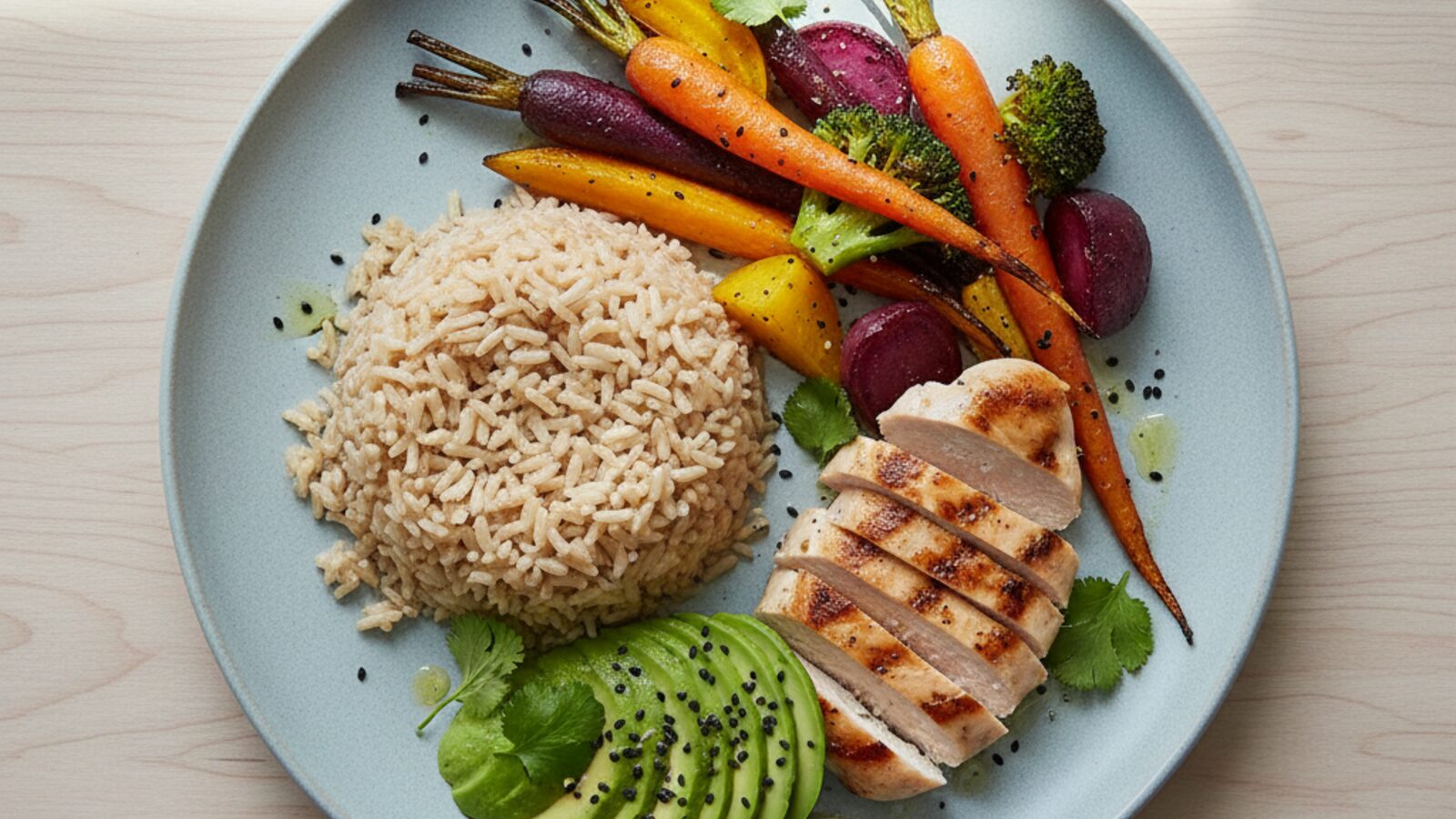
Healthy Eating Habits for Beginners: A Simple Starter Guide
If you've ever felt overwhelmed by nutrition advice, this calm, beginner-friendly guide breaks healthy eating down into small habits you can start today.
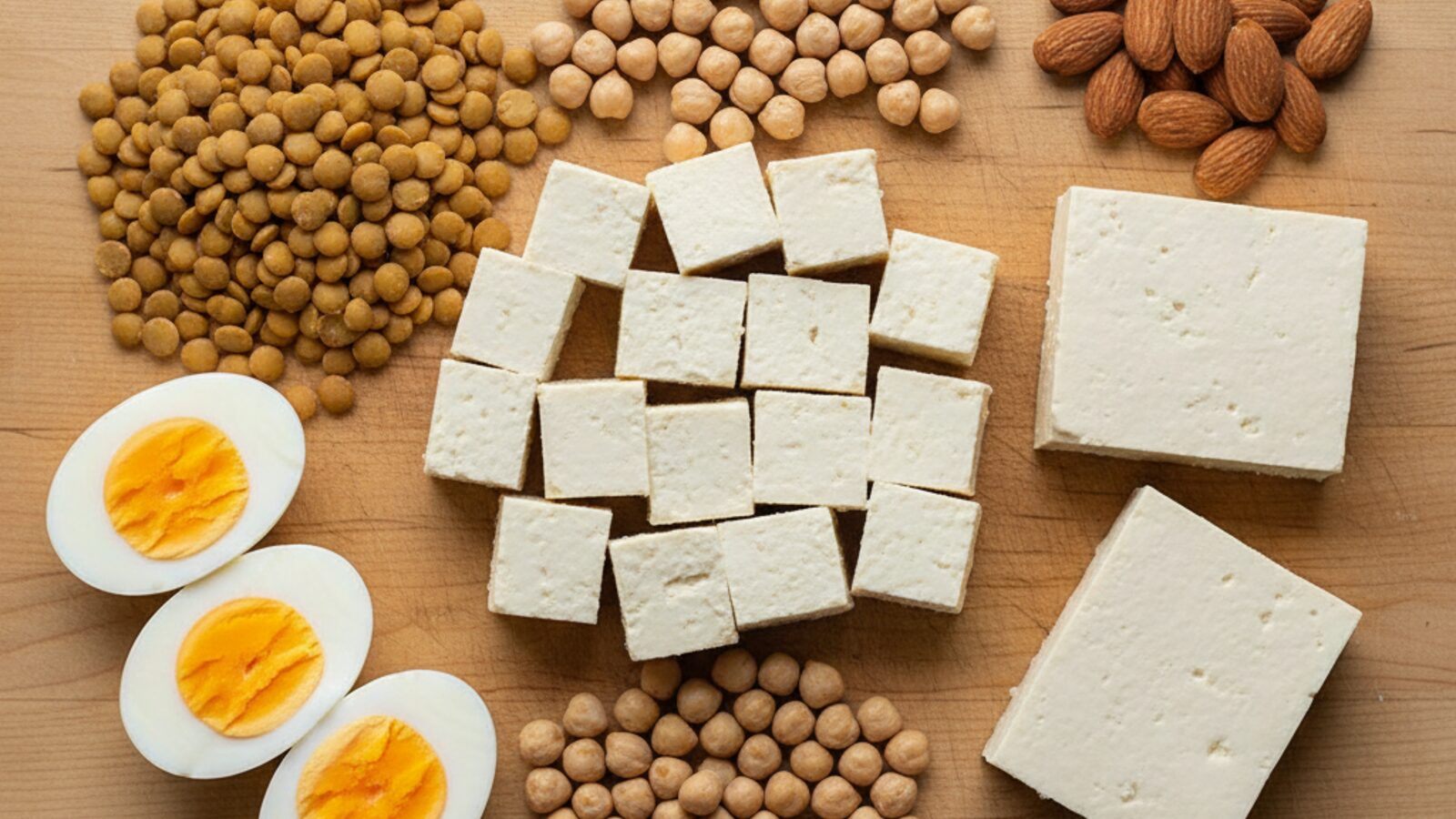
20 Best Protein-Rich Vegetarian Foods (With Grams Per Serving)
A practical, ranked list of vegetarian protein sources with grams per serving — so you can actually hit your protein target.
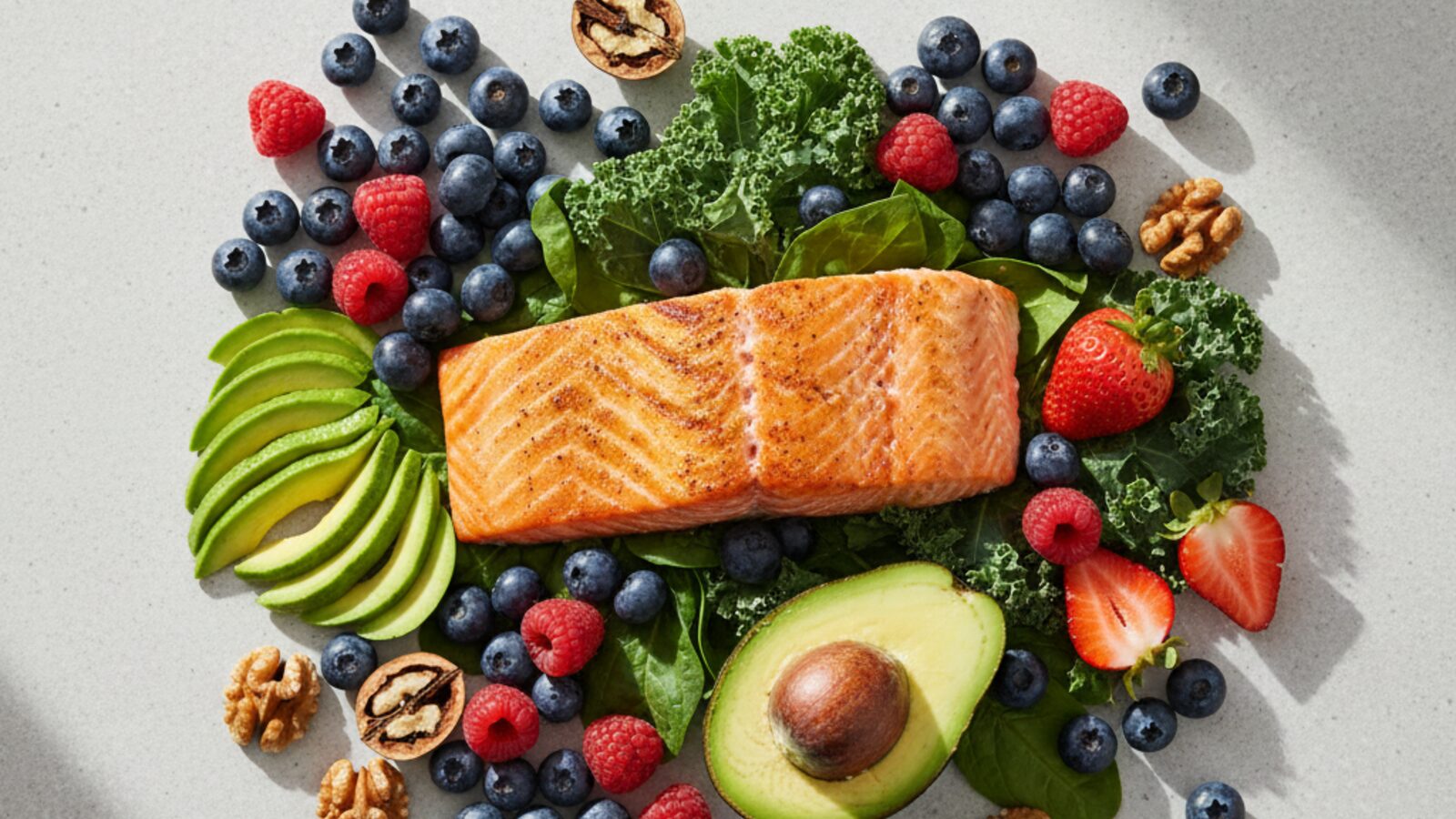
12 Best Foods for Healthy, Glowing Skin (Dermatologist-Approved)
Twelve everyday foods that genuinely improve skin clarity, hydration, and elasticity — backed by dermatology research.