The Beginner's Guide to Weight Loss (Without Crash Diets)
Everything a beginner needs to lose weight safely — calories, protein, training, and the daily habits that produce results that last.


Weight loss does not require a magic diet. It requires a small, repeatable calorie deficit, enough protein to keep your muscle, and movement you actually enjoy. This guide walks you through every step — from setting a calorie target to handling the inevitable plateau.
Step 1 — Calculate a Safe Calorie Deficit
Use a TDEE calculator to estimate your maintenance calories, then subtract 300–500 per day for sustainable loss of roughly 0.3–0.5 kg per week. Steeper deficits are tempting but trigger muscle loss, irritability, and the binge cycle.
Step 2 — Prioritise Protein
Eat 1.6–2.2g of protein per kilogram of bodyweight. Protein protects muscle in a deficit, controls hunger, and burns more calories during digestion than carbs or fat. Split it across three or four meals.
Step 3 — Walk More Than You Think Necessary
Daily steps quietly create one of the biggest deficits. Aim for 8,000–10,000 a day. A 30-minute walk after dinner improves blood sugar and digestion at the same time.
Step 4 — Lift Something Heavy Twice a Week
Resistance training preserves muscle in a deficit, which keeps your metabolism humming. Two full-body sessions a week (squats, push-ups, rows, hinges) is enough to start.
Step 5 — Track What Matters
Weigh yourself once a week at the same time. Take a photo every two weeks. The mirror, your clothes, and your energy are better signals than the scale on any given day.
Handling the Plateau
Every plateau means one of three things: your maintenance calories have dropped, your activity has decreased, or you have started under-tracking. Re-measure, take a one-week diet break, then resume with a slightly lower target.
The Physiological Mechanics of Sustainable Fat Loss
The biological foundation of fat loss is often oversimplified as 'eat less, move more,' but the underlying metabolic processes are far more intricate. When you maintain a calorie deficit, your body must source the missing energy from internal energy stores. While we primarily aim for adipose tissue (body fat) to be the source, the body is equally capable of breaking down muscle tissue if the deficit is too aggressive or protein intake is insufficient. This process, known as catabolism, is why rapid weight loss often results in a 'skinny fat' physique rather than a lean, toned one. To lose weight effectively, one must understand that the metabolic rate is not a fixed number but a dynamic system that reacts to environmental inputs.
According to the Mayo Clinic, sustainable weight loss is typically defined as 0.5 to 2 pounds per week. Losing weight faster than this often triggers a survival mechanism known as adaptive thermogenesis. In this state, the body becomes more efficient with the calories it receives, lowering your Basal Metabolic Rate (BMR) and increasing hunger hormones like ghrelin. This is the physiological reason behind the failure of crash diets. By keeping the deficit moderate—roughly 15% to 20% below your Total Daily Energy Expenditure (TDEE)—you signal to the body that energy is still available, which helps maintain a healthy metabolic furnace while slowly tapping into fat reserves for the remainder of your energy needs.
The Role of Food Volume and Satiety Hormones
Standard nutrition labels focus on calories, but for the beginner, the volume of food is often more important for adherence than the calorie count alone. This concept, known as energy density, distinguishes between foods that provide a lot of energy in a small package (like oils and nuts) and foods that provide very little energy in a large package (like leafy greens and berries). Incorporating high-volume, low-calorie foods allows you to fill your stomach and trigger stretch receptors that signal fullness to the brain, without overshooting your daily energy targets. This is the 'secret' to rarely feeling truly hungry while in a deficit.
The World Health Organization (WHO) emphasizes a diet rich in fruits, vegetables, and whole grains as the bedrock of health, and this aligns perfectly with weight loss goals. By prioritizing fiber—specifically 25 to 35 grams per day—you slow down the digestion process and stabilize blood glucose levels. This prevents the sharp insulin spikes followed by crashes that lead to intense cravings and energy slumps in the mid-afternoon. Transitioning to a high-fiber, high-volume approach means your meals look larger and more satisfying, which psychologically reduces the feeling of deprivation often associated with 'dieting.'
The Fiber Factor: Why Bulk Matters
Fiber acts as a natural appetite suppressant by increasing the transit time of food through the gut. Insoluble fiber adds bulk to stools, while soluble fiber forms a gel-like substance that feeds the beneficial bacteria in your microbiome. A healthy microbiome is increasingly linked to easier weight management, as certain bacteria may influence how much energy we harvest from our food and how well our brains receive satiety signals. To implement this, try to ensure at least half of your lunch and dinner plates consist of non-starchy vegetables like broccoli, spinach, or peppers.
Managing Cortisol: The Sleep and Stress Connection
Many beginners underestimate the impact of sleep and stress on their ability to lose weight. Chronic stress leads to elevated levels of cortisol, a steroid hormone that, when high for extended periods, encourages the body to store fat—particularly in the visceral region (around the midsection). High cortisol levels also interfere with our ability to make informed food choices, often driving us toward highly palatable, 'comfort' foods that are calorie-dense. The NIH has noted that sleep deprivation mimics this stress state, leading to a significant decrease in leptin (the hormone that tells you you're full) and an increase in ghrelin (the hunger hormone).
Aiming for seven to nine hours of quality sleep per night is not a luxury; it is a metabolic necessity for fat loss. When you are sleep-deprived, the prefrontal cortex—the part of the brain responsible for executive function and impulse control—is compromised. This makes you more likely to skip your workout and more likely to give in to cravings. Furthermore, research suggests that when two groups of people lose the same amount of weight, but one group is sleep-deprived, the sleep-deprived group loses more muscle mass and less body fat than the group that gets adequate rest. Recovery is the silent partner of every successful weight loss journey.
Navigating Social Scenarios and Dining Out
The road to weight loss is rarely a straight line, and social pressure is one of the most common obstacles for beginners. Whether it is a family dinner, a work event, or a night out with friends, these scenarios often involve calorie-dense foods and alcohol. The key to sustainability is learning the 'art of the trade-off.' If you know you have a large dinner planned, you might choose to have a lighter, high-protein lunch or increase your non-exercise activity (NEAT) by walking further that morning. This isn't about punishing yourself for eating; it's about managing your weekly energy budget.
Alcohol presents a unique challenge because it contains 7 calories per gram—more than protein and carbs—and is often accompanied by sugary mixers. More importantly, alcohol consumption lowers inhibitions, making it much more likely that you will overeat later in the evening. If you choose to drink, opt for lower-calorie options like spirits with soda water and lime, and aim to drink a glass of water between every alcoholic beverage. Remember, one meal or one evening does not ruin weeks of progress. Consistency beats perfection every time, and learning to navigate these social waters without guilt is vital for long-term success.
The Hazard of the 'All or Nothing' Mindset
The 'all or nothing' mindset is the greatest enemy of the beginner. If you eat a cookie, you haven't 'failed' your diet; you've just had a cookie. The mistake is thinking that because the day isn't 'perfect,' you should eat everything in sight and start again on Monday. Instead, adopt the 'Next Best Choice' rule. Regardless of what happened at your last meal, your only job is to make the healthiest possible choice for your next meal. This prevents a minor slip-up from turning into a multi-day binge, keeping your overall weekly progress on track.
Hydration: The Silent Catalyst for Fat Oxidation
While much of weight loss revolves around the kitchen, the role of hydration cannot be overstated. Water is essential for lipolysis, the metabolic process of burning fat. Furthermore, the brain often confuses the signal for thirst with the signal for hunger. Many people find that by drinking a large glass of water and waiting 15 minutes, their 'hunger' disappears. The National Academies of Sciences, Engineering, and Medicine suggests an adequate daily fluid intake of about 15.5 cups for men and 11.5 cups for women, which includes fluids from water, other beverages, and food.
Beyond plain water, beverages like green tea and black coffee can offer minor metabolic boosts due to their caffeine content and antioxidants (catechins). However, these benefits are secondary to the primary goal of staying hydrated. A common mistake beginners make is 'drinking their calories' through fruit juices, sodas, and specialty coffee drinks. These provide little to no satiety despite being high in sugar. By switching to water, sparkling water, or unsweetened tea, you can often cut 300 to 500 calories from your daily total without feeling any more hungry than before. This simple swap is often the easiest win for those just starting out.
When to Seek Professional Medical Guidance
Weight loss is not appropriate for everyone at all times. Individuals with a history of disordered eating, pregnant or breastfeeding women, and those with underlying medical conditions like type 1 diabetes or chronic kidney disease should only pursue weight loss under strict medical supervision. Furthermore, children and adolescents should focus on growth and nutrient density rather than calorie restriction unless specifically directed by a pediatrician. For these groups, the focus should always be on health markers and functional fitness rather than a number on the scale. High-intensity dieting can interfere with hormonal health and development in younger populations.
It is also important to consult a doctor if you experience symptoms like extreme fatigue, hair loss, loss of menstrual cycle (amenorrhea), or persistent dizziness during your weight loss journey. These are red flags that your calorie deficit is too aggressive or that you are suffering from a micronutrient deficiency. The Harvard Medical School notes that rapid weight loss can also lead to the formation of gallstones. If you have a high BMI (over 30) or pre-existing conditions like hypertension or heart disease, a physician can help you monitor your blood pressure and adjust any medications as your weight decreases, as requirements for certain drugs often change as your body mass changes.
Identifying Biological Roadblocks
While many believe fat loss may help with all ailments, certain hormonal conditions like PCOS (Polycystic Ovary Syndrome) or hypothyroidism can make the process significantly slower. If you are doing everything 'right'—tracking accurately, moving daily, and sleeping well—but are seeing zero progress over a 6-week period, it may be time for a blood panel. Checking your thyroid function (TSH, T3, T4), vitamin D levels, and iron stores can provide a clearer picture of whether a physiological roadblock is hindering your metabolism. Weight loss is a biological process, and ensuring the machinery is working correctly is a prerequisite for success.
Long-Term Sustainability and the Transition to Maintenance
The most successful 'losers' are not those with the most willpower, but those who have built the best habits. In the beginning, motivation is high, making it easy to hit the gym and prep meals. However, motivation is a finite resource. To ensure long-term sustainability, you must automate your decisions. This means having a 'go-to' healthy breakfast, a set time for physical activity, and a routine for grocery shopping. By reducing the number of decisions you have to make daily, you lower the cognitive load and make the healthy choice the path of least resistance. environment design is also key; keep junk food out of the house and keep your workout clothes visible.
Sustainability also requires flexibility. A diet that you can only follow for three months is not a successful diet; it is a temporary fix. As you reach your goal weight, the transition to 'maintenance' is the most critical phase. This involves slowly increasing your calories back to your TDEE—a process known as reverse dieting—to prevent rapid weight regain. The goal of a beginner guide should not just be to reach a target weight, but to develop a new relationship with food and movement that can be maintained for decades. This means finding forms of exercise that bring you joy and learning how to incorporate your favorite treats in moderation, rather than banning them forever.
Avoiding Common Pitfalls and Non-Scale Victories
Common mistakes for beginners include focusing too much on supplements, overestimating calories burned during exercise, and relying solely on the scale. Many 'fat-burning' supplements have negligible effects and are no substitute for a consistent deficit. Similarly, fitness trackers often overestimate the calories burned during a workout by up to 20-30%. If you 'eat back' all the calories your watch says you burned, you may accidentally wipe out your entire deficit for the day. Treat exercise as a bonus for health and heart strength, rather than a way to earn more food.
The scale is also a fickle tool. Your weight can fluctuate by 3-5 pounds in a single day due to water retention, glycogen storage, and salt intake. Beginners often get discouraged by these spikes. Instead of looking at daily numbers, focus on the weekly average. Over time, look for non-scale victories: how your clothes fit, your energy levels in the afternoon, your strength gains in the gym, and your resting heart rate. These are often much better indicators of body composition changes than the scale alone. Fat loss is a marathon of consistency, not a sprint of intensity; by avoiding these common pitfalls, you ensure that your efforts yield the permanent results you deserve. spinning your wheels in the short term only leads to burnout. Keep the big picture in mind, and celebrate the small, daily wins.
Key Takeaways
- Aim for 0.3–0.5 kg loss per week — slower is more permanent.
- Protein and walking handle 80% of the work.
- Lift twice a week to keep the muscle you have.
- Plateaus are not failure — they are feedback.
Frequently Asked Questions
Can I lose weight without exercising?
Yes, but you'll lose muscle along with fat and the rebound is harder. Even daily walking changes the outcome dramatically.
How long until I see results?
Most people see real visual changes in 6–10 weeks of consistent effort. The scale moves faster but lies more often than your clothes.
Is intermittent fasting necessary?
No. It is one of many tools. If a small breakfast keeps you sane, eat it.
Conclusion
Sustainable weight loss is unglamorous, and that is exactly why it works. Pick a calorie target, hit your protein, walk every day, and let time do its quiet job.
Sources & Further Reading
- NIH Body Weight Planner
- British Dietetic Association — Weight Loss Facts
- CDC — Healthy Weight, Nutrition, and Physical Activity
- NIH NIDDK — Choosing a Safe Weight-loss Program
- Mayo Clinic — Weight Loss Basics
- USDA Dietary Guidelines for Americans 2020–2025
- Harvard T.H. Chan — Healthy Eating Plate
- ACSM — Physical Activity Guidelines for Adults
- Academy of Nutrition and Dietetics — Find an Expert
More on Weight Loss
- → The Science of Sustainable Fat Loss: Why Diet Alone Isn't Enough
- → Intermittent Fasting and Your Body: Evidence-Based Benefits and Risks
- → Best Indian Diet Plan for Fat Loss (7-Day Sample Menu)
You may also like
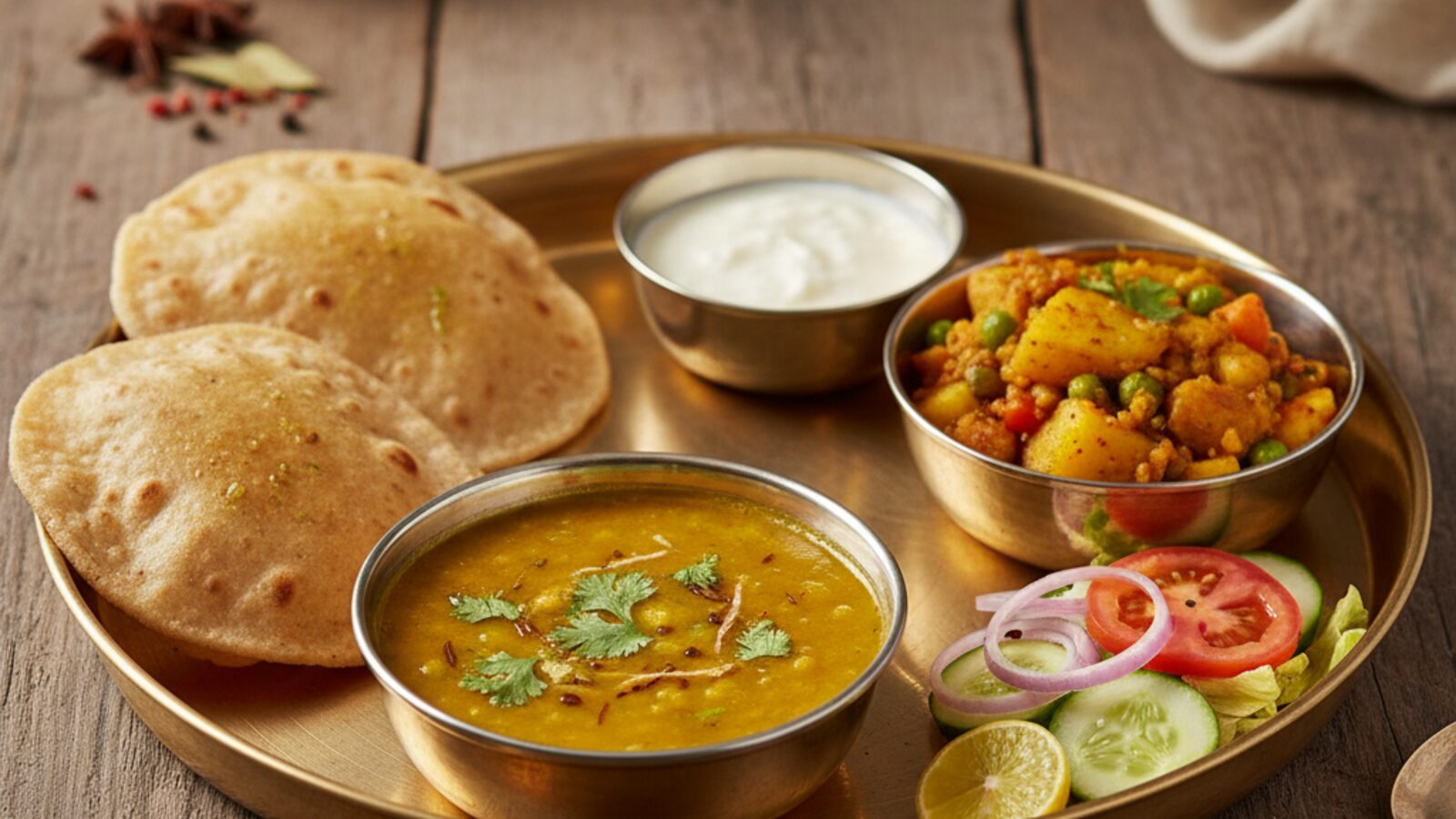
Best Indian Diet Plan for Fat Loss (7-Day Sample Menu)
A dietitian-designed, vegetarian-friendly Indian diet plan that supports steady fat loss without giving up your favourite foods.

Walking vs Running for Weight Loss: Which Actually Works Better?
Calories burned, injury risk, fat oxidation — a fair comparison of walking and running for real-world fat loss.

How Sleep Affects Weight Loss (Why Bad Sleep Stalls Fat Loss)
Sleep is the most underrated weight loss tool. Here's exactly how poor sleep stalls fat loss — and how to fix it tonight.