How Sleep Affects Weight Loss (Why Bad Sleep Stalls Fat Loss)
Sleep is the most underrated weight loss tool. Here's exactly how poor sleep stalls fat loss — and how to fix it tonight.


If you're eating right, training hard, and the scale still won't move — check your sleep. Two short nights in a row can flatten a perfect week of dieting because of two hormones most people have rarely heard of: leptin and ghrelin.
The Hormone Story
Sleep deprivation raises ghrelin (hunger hormone) by 14% and lowers leptin (fullness hormone) by 18%, according to a landmark University of Chicago study. Translation: you eat more, feel less full, and crave higher-calorie foods the next day.
Insulin Sensitivity Tanks
Even one bad night of sleep reduces insulin sensitivity by up to 30%. Your body stores more of what you eat as fat instead of using it as fuel.
Cortisol Spikes
Chronic sleep loss elevates evening cortisol, which encourages visceral (belly) fat storage and drives evening cravings.
Less Muscle, More Fat
A 2010 study in Annals of Internal Medicine showed dieters lost 55% more fat in 8 hours of sleep nights vs 5.5 hours — and 60% more muscle was lost in the sleep-deprived group.
5 Tonight Fixes
1. Same bedtime, weekends included. 2. Dark room (blackout curtains or a sleep mask). 3. Last meal three hours before bed. 4. Phone out of bedroom or in airplane mode. 5. Cool room (18–20°C is optimal).
The Neurological Impulse: Why Sleep Deprivation Triggers Cravings
While the link between diet and exercise is frequently discussed, the neurological relationship between sleep and hunger signals remains one of the most significant barriers to sustainable weight loss. At the core of this issue is the brain’s demand for energy when it is deprived of rest. When the prefrontal cortex—the area responsible for impulse control and complex decision-making—is fatigued, its activity diminishes. Simultaneously, the amygdala and reward centers of the brain become hyper-responsive. This neurological shift creates a state where high-calorie, sugary foods become significantly more appealing as the brain seeks a 'quick fix' for its energy deficit.
Research published by the National Institutes of Health (NIH) indicates that sleep-deprived individuals often consume an average of 300 to 500 extra calories per day without realizing it. This phenomenon, often referred to as 'hedonic eating,' occurs because the brain’s reward system begins to overvalue junk food. Even if you have the strongest willpower during the day, a brain that hasn't slept is biologically wired to drive you toward calorie-dense snacks in the late evening, effectively sabotaging your caloric deficit. This isn't merely a matter of discipline; it is a physiological response to a perceived energy crisis within the central nervous system.
The Role of Dopamine in Late-Night Snacking
When the brain is tired, it experiences a drop in dopamine sensitivity. To compensate, it sparks cravings for 'hyper-palatable' foods—items high in fat, sugar, and salt—that provide a temporary dopamine spike. This explains why people rarely crave broccoli when they are exhausted; instead, they reach for processed carbohydrates that provide immediate glucose to the bloodstream. Over time, this cycle creates a feedback loop where poor sleep leads to poor food choices, which in turn can disrupt sleep further through blood sugar fluctuations.
Physical Performance and the Injury Risk Factor
A common mistake in fitness circles is prioritizing an early morning workout at the expense of necessary sleep. While physical activity is vital for health, performing it on a sleep deficit can be counterproductive for fat loss. When you are sleep-deprived, your perceived exertion increases. This means a workout that usually feels moderate suddenly feels grueling, leading to a natural (often subconscious) decrease in intensity. If you are not training at the required intensity to stimulate metabolic change, the fat-burning benefits of the session are significantly minimized.
Furthermore, the risk of injury skyrockets when the body is not fully recovered. Coordination, reaction time, and proprioception—the body's ability to sense its position in space—are all compromised by lack of sleep. A minor tweak in the lower back or a strained ligament can sideline a weight loss journey for weeks or months. Fitness experts and organizations like the American Council on Exercise emphasize that recovery is just as important as the workout itself. Without adequate sleep, the body cannot repair the micro-tears in muscle fibers needed to build the lean mass that boosts your resting metabolic rate.
Subconscious Movement: How NEAT Declines with Fatigue
One of the most overlooked aspects of weight loss is Non-Exercise Activity Thermogenesis (NEAT). This includes all the calories you burn through daily movement like walking, cleaning, or even fidgeting. When you are sleep-deprived, your body naturally tries to conserve energy by reducing NEAT. You are more likely to take the elevator, sit for longer periods, and move less overall. This subtle decrease in daily movement can result in burning hundreds of fewer calories per day, which often outweighs the calories burned during a single gym session.
The Hydration Connection and Water Retention
Hydration is a pillar of weight loss, yet many fail to realize that sleep duration directly influences fluid balance. A study published in the journal 'Sleep' found that individuals who slept six hours or less per night were significantly more likely to be dehydrated than those who slept eight hours. This is linked to a hormone called vasopressin, which regulates the body’s hydration status. Vasopressin is released primarily during the later stages of the sleep cycle; if that cycle is cut short, the body doesn't receive the signal to manage its water levels efficiently.
Dehydration is often mistaken for hunger. When the body is thirsty, it sends signals that can be misinterpreted as a need for food, particularly water-rich or salty foods. Furthermore, being even mildly dehydrated slows down the metabolism and makes it more difficult for the kidneys and liver to process toxins and fat. For those tracking their weight, poor sleep can lead to significant water retention, making it appear on the scale as though fat loss has stalled, which can lead to psychological frustration and the abandonment of a healthy regimen.
Growth Hormone and the Metabolic Repair Window
A significant portion of the human growth hormone (HGH) is released during deep, slow-wave sleep. HGH is a powerful lipolytic agent, meaning it helps break down fats and promotes the use of fat for energy. If your sleep is fragmented or too short, you miss the peak window of HGH secretion. This shifts the body’s metabolic profile from fat-burning to fat-storing. Without the 'repair and burn' signal provided by HGH, the fat cells are less likely to release their stores, even if you are maintaining a caloric deficit through dieting.
Moreover, chronic sleep deprivation leads to a decline in testosterone levels in both men and women. Testosterone plays a crucial role in maintaining muscle mass and managing body composition. Lower levels of these anabolic hormones make it significantly harder to lose visceral fat (the dangerous fat around the organs) and much easier to gain it. Over time, this hormonal imbalance can lead to a metabolic slowdown that makes weight maintenance an uphill battle regardless of how clean your diet is.
Visceral Fat Accumulation and Sleep Quality
Visceral fat is metabolically active and inflammatory. Lack of sleep has been shown to specifically increase the accumulation of this deep belly fat. Unlike subcutaneous fat, visceral fat increases the risk of type 2 diabetes and heart disease. By prioritizing 7-9 hours of sleep, you are essentially providing your body with the hormonal environment necessary to prioritize the burning of this dangerous fat over lean muscle tissue.
Common Saboteurs: Alcohol, Caffeine, and Sleep Architecture碎
Alcohol is one of the most common disrupters of the sleep-weight loss relationship. While many use a glass of wine or beer to 'wind down,' alcohol is a sedative that significantly impairs the quality of sleep, particularly Rapid Eye Movement (REM) sleep. When the liver is busy processing alcohol, it cannot focus on other metabolic tasks, such as regulating blood sugar or mobilizing fat stores. Additionally, the dehydration caused by alcohol further exacerbates the issues mentioned previously, creating a perfect storm for weight gain.
Caffeine, while beneficial for metabolism in small doses, can have a half-life of up to six hours. This means that if you have a cup of coffee at 4:00 PM, half of that caffeine is still in your system at 10:00 PM. This interferes with adenosine, the chemical in the brain that builds up throughout the day to signal that it’s time to sleep. Disrupting this signal prevents you from falling into the deep sleep stages required for metabolic recovery. For sustainable weight loss, experts suggest a 'caffeine cutoff' at least 8 to 10 hours before your intended bedtime to ensure natural sleep architecture remains intact.
The Gut Microbiome and Circadian Rhythms
The gut microbiome is a complex ecosystem of bacteria that influences everything from digestion to mood and weight. Recent studies have shown that even a few nights of partial sleep deprivation can alter the composition of the gut flora. Specifically, it can lead to an increase in the types of bacteria associated with weight gain and obesity. A healthy gut is essential for the proper absorption of nutrients and the regulation of inflammation, both of which are critical for an efficient metabolism.
When the gut microbiome is out of balance (a state known as dysbiosis), it can lead to increased gut permeability, or 'leaky gut.' This allows pro-inflammatory molecules to enter the bloodstream, triggering a low-grade systemic inflammatory response. This inflammation is a known driver of insulin resistance and weight gain. By maintaining a regular sleep schedule, you are not just resting your brain; you are also supporting a healthy environment for the trillions of bacteria that help regulate your body weight and metabolic health.
When to See a Doctor: Sleep Disorders and Metabolic Stalls
While occasional poor sleep is a nuisance, chronic sleep disorders like obstructive sleep apnea (OSA) or clinical insomnia require medical intervention. OSA, in particular, is a dangerous cycle: excess weight can lead to sleep apnea, and sleep apnea causes fragmented sleep that makes it nearly impossible to lose weight. During an apnea event, the body’s oxygen levels drop, triggering a massive stress response and a spike in cortisol, which signals the body to store fat immediately.
If you find that you are consistently exhausted despite spending enough time in bed, if you snore loudly, or if you experience gasping for air during the night, it is vital to consult a healthcare provider. Treating these underlying conditions can often be the 'missing key' that unlocks weight loss progress. Clinical treatments, such as CPAP therapy for apnea or Cognitive Behavioral Therapy for Insomnia (CBT-I), have been shown to drastically improve metabolic markers and make weight management significantly more achievable. Without addressing the underlying medical issue, dietary changes may only provide limited results.
Differentiating Habits from Clinical Issues
It is important to differentiate between 'poor habits' and a 'sleep disorder.' If you have optimized your environment (cool, dark, quiet) and your routine (no screens, no late caffeine) and still struggle with daytime sleepiness or weight plateaus, a sleep study may be necessary. Organizations like the Mayo Clinic suggest that those with a Body Mass Index (BMI) over 30 are at a higher risk for sleep-disordered breathing, which should be ruled out to ensure a safe and effective weight loss journey.
The Long-Game: Creating a Sustainable Sleep-Weight Synergy
Sustainability in weight loss is not found in a 30-day challenge but in the long-term synchronization of your lifestyle with your body's biological clock. This rhythm, known as the circadian rhythm, governs almost every metabolic process. To see permanent results, consistency is more important than perfection. This means going to bed and waking up at the same time every day, even on weekends. This consistency trains your hormones—ghrelin, leptin, insulin, and cortisol—to peak and trough at the appropriate times, making hunger more predictable and weight management more intuitive.
Successful long-term weight loss often involves shifting your focus from 'sleeping for rest' to 'sleeping for performance.' When you view sleep as a critical component of your weight loss strategy—on par with your protein intake or your step count—you give your body the permission it needs to release stored energy. It is about creating a lifestyle where your physiological needs are met, reducing the friction between your goals and your body's survival instincts. By prioritizing rest, you are not 'doing nothing'; you are actively engaging in the most complex metabolic recovery process available to humans.
Key Takeaways
- Sleep loss raises hunger, kills fullness, and shifts fat storage to your belly.
- Aim for 7–9 hours; consistency matters as much as duration.
- Fixing sleep often breaks a stubborn weight loss plateau within two weeks.
Frequently Asked Questions
Does sleeping more help lose weight?
More sleep doesn't actively burn fat, but it removes the hormonal brakes that prevent fat loss.
Best time to go to sleep?
Between 10 and 11 pm for most adults — aligning with melatonin release for highest sleep quality.
Conclusion
If you remember nothing else from this article: sleep is not optional for fat loss. Protect it like you protect your diet.
Sources & Further Reading
More on Weight Loss
- → The Science of Sustainable Fat Loss: Why Diet Alone Isn't Enough
- → Intermittent Fasting and Your Body: Evidence-Based Benefits and Risks
- → The Beginner's Guide to Weight Loss (Without Crash Diets)
You may also like

The Beginner's Guide to Weight Loss (Without Crash Diets)
Everything a beginner needs to lose weight safely — calories, protein, training, and the daily habits that produce results that last.
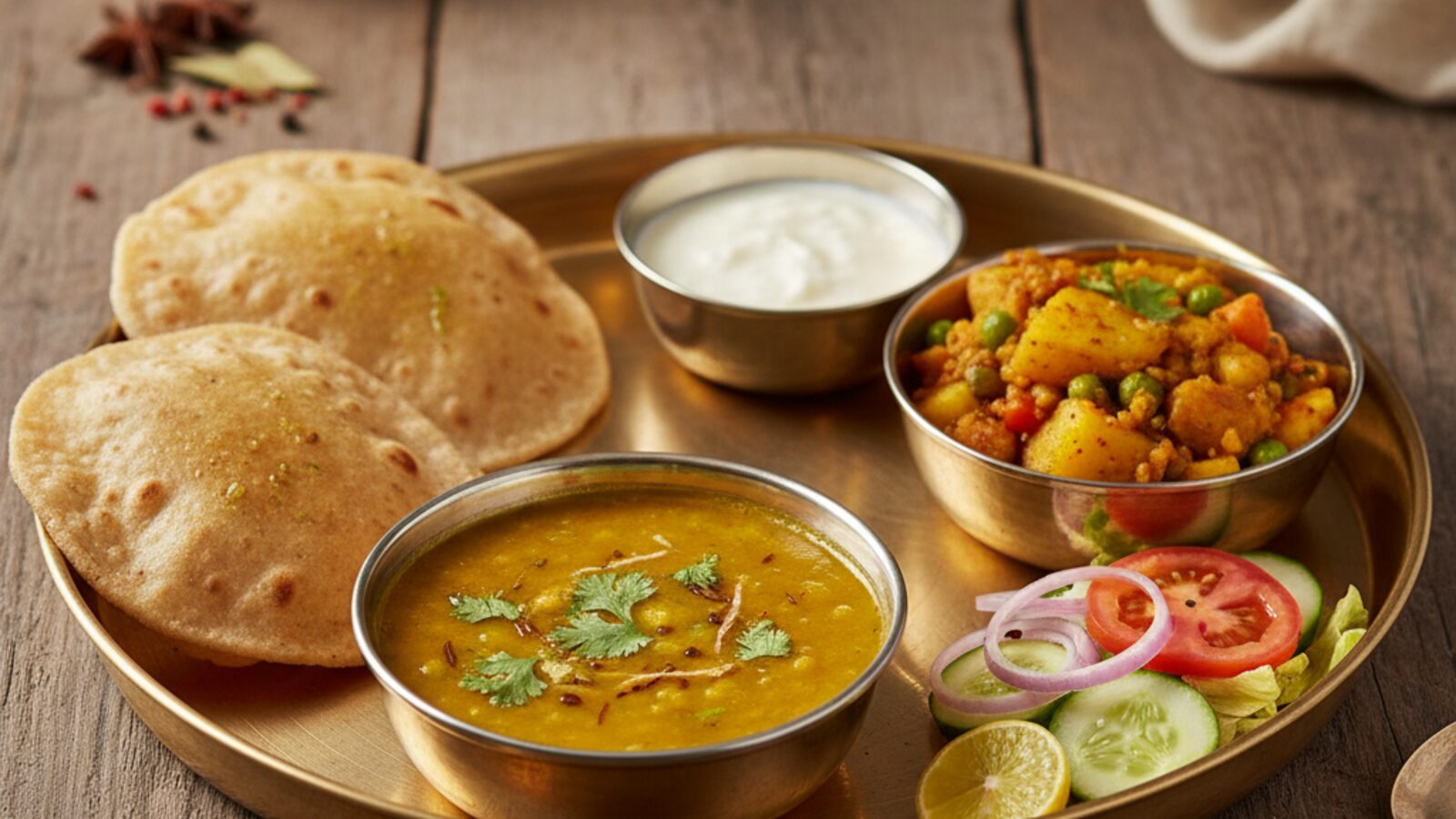
Best Indian Diet Plan for Fat Loss (7-Day Sample Menu)
A dietitian-designed, vegetarian-friendly Indian diet plan that supports steady fat loss without giving up your favourite foods.

Walking vs Running for Weight Loss: Which Actually Works Better?
Calories burned, injury risk, fat oxidation — a fair comparison of walking and running for real-world fat loss.