Bone Health and Osteoporosis Prevention: Nutrition and Exercise Insights
Strong bones aren't built overnight. A calm, evidence-based guide to the nutrition and exercise habits that protect bone health and reduce osteoporosis risk.

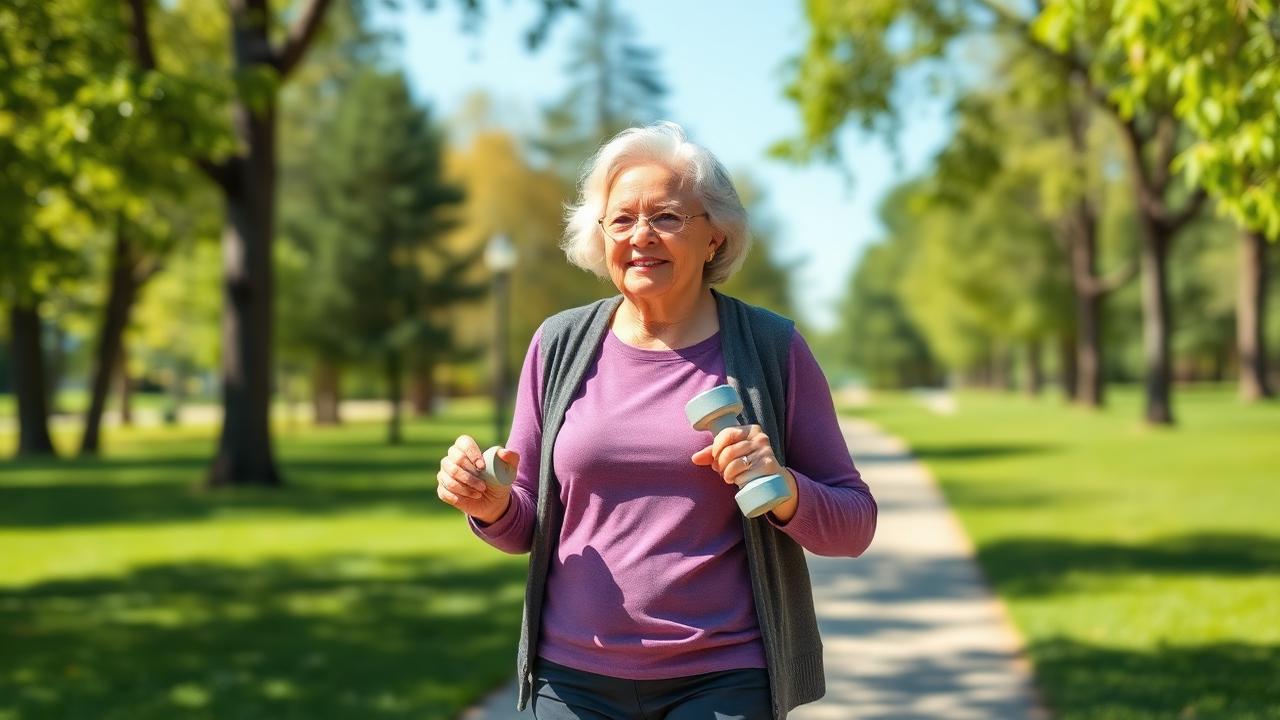
Bone is living tissue. It is constantly being broken down and rebuilt by specialised cells throughout your life. Up to around age 30, you build bone faster than you lose it; after that, the balance gradually shifts. For women, the drop in oestrogen during and after menopause accelerates bone loss further. The good news is that bone health is not pre-determined — what you eat, how you move, and how you live across every decade meaningfully shapes the bones you carry into your seventies and eighties. This guide walks through the nutrition and exercise evidence in calm, practical terms.
Why Bone Health Matters More Than Most People Realise
Osteoporosis — a condition of weakened, fragile bones — is often called a 'silent disease' because it usually develops without symptoms until a fracture occurs. A hip fracture in older adulthood, especially in women, is associated with significant loss of independence and increased mortality. The Office on Women's Health and the NIH both highlight osteoporosis as one of the most preventable major health risks women face.
Prevention starts much earlier than most people think. The peak bone mass you reach by your early thirties is one of the strongest predictors of your fracture risk decades later. Even small improvements in habits during your twenties, thirties, and forties translate into significant protection in your seventies.
The Nutrients That Build and Maintain Bone
Calcium is the most well-known bone nutrient, but it is far from the only one. The full picture includes calcium, vitamin D, magnesium, vitamin K2, protein, phosphorus, and several trace minerals. A deficiency in any one can undermine the rest.
Calcium
Adults typically need around 1000–1200 mg of calcium daily, with higher amounts recommended for post-menopausal women and older adults. Excellent food sources include dairy (milk, yoghurt, paneer, cheese), fortified plant milks, ragi (finger millet), sesame seeds, tofu, leafy greens (kale, methi, sarson), broccoli, and small bony fish. Food sources are generally preferred over supplements unless prescribed by a healthcare provider.
Vitamin D
Vitamin D enables calcium absorption. Sunlight is the main source — 15–30 minutes of midday sun on bare arms and face most days helps maintain levels, depending on skin tone and latitude. Food sources are limited (fatty fish, egg yolks, fortified milk). Many adults, especially in cities and in cooler climates, are deficient and benefit from supplementation under medical guidance. Have your vitamin D level checked through a blood test rather than guessing.
Protein
Bone is roughly half mineral and half protein matrix. Adequate protein — around 1.0–1.2 g per kg of body weight for most adults, slightly higher for older adults — supports bone strength and helps preserve muscle, which itself protects bones through balance and force. Spread protein across the day rather than consuming it all in one meal.
Magnesium, Vitamin K, and Other Co-Nutrients
Magnesium (nuts, seeds, whole grains, dark leafy greens), vitamin K (leafy greens, fermented foods), and trace minerals from a varied whole-food diet all support bone metabolism. A balanced plate full of vegetables, legumes, whole grains, and protein covers most of these without supplementation.
What to Limit for Better Bone Health
Excess sodium, very high caffeine intake, large amounts of alcohol, and chronic crash dieting all negatively affect bone density. Heavy smoking is one of the most damaging habits for bones and is consistently associated with higher fracture risk. None of these need to be eliminated entirely (except smoking, which is worth quitting for many reasons) — the goal is moderation and awareness.
Carbonated soft drinks have a mixed reputation. The current evidence suggests the issue is less about the drinks themselves and more about what they often replace — milk, water, and other nutrient-rich beverages.
The Exercise That Actually Builds Bone
Bone responds to load. The cells that build bone (osteoblasts) are activated when bones experience mechanical stress. This means the exercises that build bone are the ones that involve weight-bearing impact, resistance, or both. Swimming and cycling, while excellent for cardiovascular health, do less for bone density because they are low-impact.
Weight-bearing aerobic activity
Walking, hiking, dancing, jogging, climbing stairs, and racket sports all qualify. Aim for at least 150 minutes of moderate weight-bearing activity per week, spread across most days. Walking is the most accessible — even adding a daily 30-minute walk has been associated with meaningful bone benefits in long-term studies summarised by Harvard Health Publishing.
Resistance training
Lifting weights, using resistance bands, or performing bodyweight exercises like squats, lunges, push-ups, and rows two to three times per week is one of the most powerful interventions for bone density. Heavier loads with lower repetitions (within safe technique) tend to produce stronger bone-building responses than light, high-repetition work.
Impact training (where appropriate)
For most healthy adults, brief, controlled impact activities — short jumps, hopping, jogging — can be added safely to stimulate bone. People with existing osteoporosis, joint issues, or recent injuries should consult a qualified healthcare provider or physiotherapist before adding impact work.
Balance and posture
Yoga, tai chi, and balance-focused exercises don't directly build bone, but they dramatically reduce the risk of falls — which is what actually causes most osteoporotic fractures. Adding two short balance sessions a week is a quietly powerful protection in older adulthood.
Hormones, Menopause, and Bone Loss
Oestrogen plays a key role in protecting bone. After menopause, the drop in oestrogen accelerates bone loss for several years before the rate stabilises. This is why osteoporosis is more common in post-menopausal women. The Mayo Clinic and Cleveland Clinic recommend that women discuss bone density screening (DEXA scan) with a healthcare provider around menopause, particularly if other risk factors are present.
For some women, medically supervised hormone therapy may help protect bones; for others, specific osteoporosis medications may be appropriate. These are individual decisions made with a qualified gynaecologist or endocrinologist after reviewing personal medical history.
Common Mistakes and Honest Misconceptions
Relying on calcium supplements alone without addressing vitamin D, protein, and exercise. Doing only cardio while skipping strength training. Assuming bone health is only an older-person concern. Crash dieting in the twenties and thirties, which can compromise peak bone mass. Avoiding all impact activity in mid-life because of a fear of injury, when in fact gradual, supervised impact training often strengthens bone.
Equally, do not panic if you have not been a lifelong athlete. The evidence consistently shows that meaningful improvements in bone health are possible at any age with consistent, sensible habits.
A Decade-by-Decade Bone Health Checklist
Bone is a living tissue that responds to what you do at every stage of life. Thinking about bone health in decades makes the priorities concrete instead of abstract.
In your twenties and thirties, the priority is building peak bone mass — the higher your peak, the more you have to lose later. This is the time for adequate calcium (around 1000 mg per day, mostly from food), regular weight-bearing exercise (walking, jogging, dancing, racket sports), strength training twice a week, and avoiding the sneaky things that strip bone — chronic under-eating, excessive alcohol, smoking, and very long periods of amenorrhoea. By the late thirties peak bone mass is essentially set; what comes next is preservation.
In your forties, especially in perimenopause, oestrogen begins to fluctuate and then decline. Bone loss accelerates, often without symptoms. This is the decade to add a bone-density scan if you have risk factors (family history, low body weight, smoking, long-term steroid use, early menopause), to ensure vitamin D and calcium are adequate, and to keep strength training as a non-negotiable. In your fifties and sixties, postmenopause, bone loss continues. This is when balance training (yoga, tai chi, single-leg work) becomes critical — most osteoporotic fractures happen from falls, not from bone fragility alone. Strong, balanced women fall less and break less.
From seventy onwards, the priorities are gentle daily walking, continued strength work scaled to ability, adequate protein, regular eye checks (poor vision causes falls), home safety (rugs, lighting, grab bars), and review of any medications that affect bone or balance.
When a bone-density scan makes sense
Most guidelines recommend a baseline DEXA scan at menopause if you have any major risk factor, and routinely from age 65 for women and 70 for men. Earlier scans are appropriate after a low-trauma fracture, long-term steroid use, very low body weight, early menopause, or a strong family history. Speak to your GP — the scan is quick, painless, and gives a clear T-score that guides treatment.
Common Myths That Quietly Weaken Bones
Several widely held beliefs are out of date. Myth one: dairy is the only good source of calcium. Reality: sardines (with bones), tofu set with calcium sulphate, fortified plant milks, leafy greens like kale and pak choi, almonds, sesame seeds, ragi (finger millet), and fortified breakfast cereals all contribute meaningfully. A varied diet can meet daily calcium needs without dairy if planned thoughtfully.
Myth two: cardio is enough. Reality: jogging, cycling, and swimming have many benefits but, on their own, do little for hip and spine bone density. Resistance training and impact loading (jumping, skipping, brisk walking) are what bone responds to. The Royal Osteoporosis Society in the UK has produced detailed, free guidance on which exercises help most at each life stage. Reading it once and bookmarking it is a small investment in twenty future years.
Myth three: supplements alone are the answer. Reality: supplements help when intake is genuinely low or when there's a deficiency on a blood test. Beyond that, they offer diminishing returns and very high calcium intakes from supplements may carry cardiovascular risk in some adults. Food first, supplements second, exercise always — that is the order most endocrinologists recommend.
Finally, do not assume bone loss is purely a women's issue. Men lose bone too, just later and more slowly. Men with low testosterone, long-term steroid use, or heavy alcohol intake are at real risk and benefit from the same strength-training, nutrition, and screening approach.
Key Takeaways
- Bone is living tissue that responds to nutrition and load throughout life.
- Peak bone mass in your twenties and thirties strongly predicts later fracture risk.
- Calcium, vitamin D, protein, and a varied whole-food diet are the nutritional foundation.
- Weight-bearing aerobic activity plus regular strength training are the most powerful exercise tools.
- Hormonal changes around menopause accelerate bone loss — discuss screening with your doctor.
Frequently Asked Questions
When should I get a bone density scan?
Most guidelines recommend baseline DEXA scans around menopause for women, earlier if risk factors are present. Always discuss timing with a qualified healthcare provider.
Do I need calcium supplements?
Only if your dietary intake is consistently low and your doctor recommends them. Excess calcium from supplements may have its own risks.
Is walking enough exercise for bones?
Walking is excellent and accessible, but combining it with strength training produces meaningfully better bone protection.
Can I rebuild bone if I already have osteoporosis?
With appropriate medical care, nutrition, and exercise, many people can stabilise or slightly improve bone density. Treatment should always be guided by a qualified healthcare provider.
Conclusion
Bone health is one of the quietest, most consequential investments you can make in your future. Nourish your bones with real food, load them with regular movement and strength training, get your sunlight, and partner with qualified healthcare providers around key life stages. Done consistently, these habits protect not only your bones but your independence and confidence for decades to come. This guide is educational only; please consult a qualified healthcare professional for personalised guidance.
Sources & Further Reading
More on Women's Health
- → 10 Early Signs of Hormonal Imbalance Every Woman Should Know
- → Best Indian Diet Plan for PCOS Weight Loss (Backed by Experts)
- → Why Women Over 30 Start Gaining Weight — and How to Stop It
You may also like

10 Early Signs of Hormonal Imbalance Every Woman Should Know
Hormonal imbalance rarely announces itself loudly. It whispers — through stubborn acne, broken sleep, irregular periods and a mood you cannot quite explain. Here are the 10 earliest signs every woman should recognise.
Best Indian Diet Plan for PCOS Weight Loss (Backed by Experts)
PCOS weight loss is not about eating less — it is about eating in a way that can help improve insulin sensitivity. Here is a realistic Indian diet plan, expert-backed, that works without giving up dal, roti or rice.
Why Women Over 30 Start Gaining Weight — and How to Stop It
Same diet, same lifestyle, but suddenly the jeans don't fit. Here is exactly why women start gaining weight after 30, and the evidence-based plan to reverse it without crash diets.