12 Fitness Tips for Busy Professionals (Stay Fit in 20 Minutes a Day)
Twelve realistic ways to stay strong, lean, and energised when your calendar is full and your time is not.


Busy doesn't mean unfit. It means optimising. These twelve tips assume you have between 20 and 30 minutes a day and a calendar that doesn't care about your fitness goals.
The 12 Tips
1. Train at the same time daily — decision fatigue kills consistency. 2. Keep workouts under 30 minutes; intensity beats duration. 3. Walk for 10 minutes after every meal — total = 30 minutes of cardio. 4. Take stairs every time — even from floor 1. 5. Keep dumbbells at your desk or home office. 6. Do a 5-minute mobility session every morning. 7. Schedule workouts in your calendar like meetings. 8. Use compound lifts only — squats, hinges, presses, rows. 9. Pack lunch — control 70% of calories without thinking. 10. Sleep is training — protect 7 hours minimum. 11. Hydrate 500ml on waking. 12. Track only two things: protein grams and daily steps.
The 20-Minute Default Workout
Warm-up 3 min 3 rounds: Goblet squat × 12 Push-up × 10 Bent-over row × 12 Plank × 30 sec Finisher: 90 seconds jumping jacks or burpees
The Science of the Minimum Effective Dose
Maintaining fitness amidst a demanding corporate schedule requires more than just willpower; it necessitates an understanding of physiological efficiency. When time is the scarcest resource, the focus must shift from long-duration, steady-state cardio to metabolic conditioning and hormonal optimization. The human body does not require hours of movement to elicit a fitness response, but it does require intensity and consistency. According to the World Health Organization (WHO), even small bouts of physical activity can accumulate to provide significant health benefits, reducing the risk of non-communicable diseases. For the busy professional, the primary goal is to maximize the 'minimum effective dose' of exercise—the smallest amount of activity needed to achieve a desired metabolic outcome.
Scientific studies from institutions like the Mayo Clinic suggest that short, intense bursts of exercise can improve cardiovascular health as effectively as longer, moderate sessions. This is largely due to the excess post-exercise oxygen consumption (EPOC) effect, often referred to as 'afterburn.' When you perform high-intensity interval training (HIIT) within your 20-minute window, your body consumes more oxygen post-workout to return to its resting state, burning calories for hours after you have returned to your desk. This physiological efficiency makes short workouts more than just a compromise; they are a strategic advantage for those with limited time.
Optimizing Hormonal Response in Short Windows
For a 20-minute session to be effective, every minute must serve a purpose. This involves selecting compound movements—such as squats, lunges, and push-ups—that engage multiple muscle groups simultaneously. By doing so, you increase the heart rate rapidly and stimulate the release of growth hormone and testosterone, which aid in muscle maintenance and fat oxidation. The ICMR (Indian Council of Medical Research) highlights that physical inactivity is a leading risk factor for metabolic syndromes, but frequent, short-duration movements can counteract the negative effects of prolonged sitting.
Structural Integrity and Desktop Ergonomics
Working a desk job often leads to specific postural imbalances, such as anterior pelvic tilt and kyphosis, commonly known as 'hunched shoulders.' To combat this, busy professionals must integrate functional movements that specifically target the posterior chain. Incorporating movements like glute bridges and 'Y-W-T' arm raises into your 20-minute routine can reverse the structural damage caused by prolonged sitting. The National Institutes of Health (NIH) emphasizes that musculoskeletal health is critical for long-term productivity, as chronic back pain is a leading cause of absenteeism in the workplace.
Functional fitness isn't just about looking good in professional attire; it's about maintaining the mobility required for daily life. When your workout is limited to 20 minutes, prioritizing restorative and strengthening movements for the spine and hips is essential. This approach ensures that your exercise routine serves as an antidote to your professional environment rather than just another stressor. By focusing on multi-planar movements—moving your body forward, backward, side-to-side, and rotationally—you build a resilient frame that can withstand the rigors of high-stress work environments.
Combating Gluteal Amnesia and Lower Back Pain
The sedentary nature of office work can lead to 'gluteal amnesia,' where the glute muscles effectively shut down from lack of use. This leads to the lower back overcompensating, causing chronic pain. Incorporating brief, isometric holds or dynamic stretches into your morning routine or even during a conference call can keep these vital muscles engaged. Simple desk-based corrections, such as adjusting monitor height and using a lumbar support, complement your active 20-minute sessions to ensure holistic physical health.
Common Mistakes in Time-Constrained Fitness
One of the most common pitfalls for busy professionals is the 'all-or-nothing' mindset. If a meeting runs late and the planned 20-minute window shrinks to 10, many choose to skip the workout entirely. This is a mistake. Consistency is the primary driver of long-term health outcomes. Research from Harvard Health indicates that even 10 to 15 minutes of brisk activity can lower blood pressure and improve glucose regulation. The goal should be to maintain the habit of movement, regardless of the duration, to stay in the 'rhythm' of fitness.
Another frequent error is neglecting the warm-up and cool-down sections of an abbreviated workout. While it is tempting to jump straight into high-intensity movements to save time, this significantly increases the risk of injury, especially for those who have been sitting stationary for several hours. A three-minute dynamic warm-up—consisting of leg swings, arm circles, and cat-cow stretches—is non-negotiable. Similarly, ignoring nutrition because one is 'too busy' leads to a reliance on caffeine and processed sugar, which creates energy crashes and undermines the hard work put into short exercise sessions.
The Over-Training and Under-Tracking Trap
Avoid the trap of focusing only on 'mirror muscles' like the chest and biceps. For the busy professional, the most important muscles are the heart and the stabilizers. Over-training on machines that isolate muscles is less effective than bodyweight exercises that require balance and core engagement. Furthermore, failing to track progress—even in a 20-minute routine—can lead to stagnation. Ensure you are gradually increasing intensity, whether by doing more reps, reducing rest time, or improving form.
Mental Performance and Cognitive Resilience
The benefits of a 20-minute workout extend far beyond physical aesthetics; they are a vital tool for cognitive performance. Exercise increases blood flow to the brain and stimulates the production of brain-derived neurotrophic factor (BDNF), a protein that supports the growth of new neurons. For a professional facing high-pressure decisions, this 'brain fuel' is invaluable. The CDC notes that regular physical activity can help keep your thinking, learning, and judgment skills sharp as you age, which is a competitive advantage in any career.
Furthermore, the psychological relief provided by a short workout acts as a 'circuit breaker' for stress. High-stress jobs lead to elevated cortisol levels, which can cause weight gain and mental fog. A concentrated period of physical exertion allows the body to process these stress hormones, leading to improved mood and better sleep quality. By viewing your 20-minute workout as a mental preparation tool rather than a chore, you change your relationship with fitness from an obligation to a strategic necessity for career longevity.
Who Should Avoid High-Intensity Short Workouts?
While 20-minute workouts are highly effective for the general population, certain individuals should approach this high-intensity model with caution. Those with pre-existing cardiovascular conditions, severe respiratory issues, or advanced joint degeneration should consult a physician before beginning a fast-paced routine. The American College of Sports Medicine (ACSM) recommends that individuals with chronic conditions receive a professional screening to determine their heart rate limits and mobility restrictions. For these individuals, a 20-minute session may still be beneficial, but it should focus on low-impact movements like swimming or yoga rather than high-impact HIIT.
Additionally, those recovering from burnout or adrenal fatigue must be careful not to over-stress the body. Intense exercise is a form of physical stress; if your mental stress is already at its peak, adding 20 minutes of high-intensity training might hinder recovery rather than help it. In such cases, the 'workout' should focus on parasympathetic activation—think deep stretching, slow-paced walking, or mindfulness-based movement. Understanding your current physiological state is key to ensuring that exercise remains a health-promoter rather than a health-detractor.
Initial Assessment and Gradual Loading
If you are returning from a long period of inactivity, jumping into a 20-minute 'shred' program can lead to excessive muscle soreness or injury. Start with 10 minutes of moderate activity for the first two weeks to build a foundation. Pregnant women and postpartum individuals should also modify these routines to avoid core strain and high-impact jumps, focusing instead on pelvic floor health and functional strength under the guidance of a healthcare provider.
Scenario-Based Fitness: Travel and High-Stress Days
A professional's schedule is rarely predictable, which means your fitness plan must be modular. On days when you are traveling, your 20-minute workout should be 'equipment-free,' focusing on lunges, planks, and mountain climbers that can be done in a hotel room. On days with back-to-back meetings, you might split your 20 minutes into two 10-minute blocks—one in the morning and one in the evening. This 'snackable' approach to fitness ensures that even the busiest days include movement.
For those in high-stakes environments, such as legal or medical fields, finding 20 minutes during daylight hours may be impossible. In these scenarios, the focus shifts to maximizing the environment. Using the stairs instead of the elevator, or conducting 'walking meetings' for non-confidential discussions, can augment your dedicated 20-minute session. The Harvard Business Review has frequently cited walking meetings as a way to boost creativity and focus while simultaneously meeting physical activity goals. The key is to see every environment as a potential gym.
The Business Traveler’s Strategy
When traveling for work, jet lag can disrupt your circadian rhythm. A 20-minute workout upon arrival—ideally near a window with natural light—can help reset your internal clock. Focus on movements that open the hips and chest, which become tight during long flights. Avoid high-intensity work immediately before bed, as the elevation in core temperature and heart rate can interfere with the deep sleep necessary for the next day's performance.
Long-Term Sustainability and Habit Stacking
For many professionals, the concern is that 20 minutes isn't 'enough' for long-term health. However, data from the Framingham Heart Study suggests that consistent, moderate-to-vigorous activity is the most significant predictor of longevity. The goal of a 20-minute daily routine is not necessarily to become an elite athlete, but to maintain a high level of functional health and metabolic flexibility over decades. Long-term sustainability is built on the foundation of habit, not intensity. If you can sustain a 20-minute daily practice for five years, it will yield far better health outcomes than a six-month period of extreme training followed by a total halt.
To ensure this becomes a lifelong habit, link your workout to an existing professional routine. This is known as 'habit stacking.' For example, perform your workout immediately after your first cup of coffee or right after you close your laptop for the day. By anchoring the exercise to an event that always happens, you reduce the 'decision fatigue' associated with finding time to train. Over time, these 20 minutes become as non-negotiable as brushing your teeth or attending a board meeting, providing a bedrock of health that supports both your personal life and your professional ambitions.力
When to Consult a Professional
While self-discipline is important, knowing when to seek professional help is a hallmark of a successful professional. If you find that despite your 20-minute efforts, you are experiencing chronic joint pain, persistent fatigue, or a total plateau in progress, it is time to consult an expert. A physical therapist can identify movement compensations that might lead to injury, while a certified strength and conditioning specialist (CSCS) can refine your 20-minute routine to ensure it remains challenging and effective as your fitness improves.
Regular check-ups with a primary care physician are also vital to monitor biomarkers such as cholesterol, blood pressure, and A1C levels. These internal metrics provide a more accurate picture of your health than the scale or the mirror. If you find yourself unable to recover between 20-minute sessions—marked by irritability, loss of appetite, or poor sleep—you may be experiencing overreaching. A healthcare professional can help you balance your training load with your professional stress, ensuring that your fitness routine continues to serve your body's best interests.
Key Takeaways
- 20–30 minutes a day, done consistently, beats two-hour weekend sessions.
- Walking and stair-taking quietly drive total weekly volume.
- Track only protein and steps — two metrics that capture 80% of progress.
Frequently Asked Questions
Best time to work out when busy?
Morning — fewer scheduling conflicts and decision fatigue is lowest.
How few days a week can I train?
Three is the floor. Two maintains. One is better than zero.
Conclusion
Busy seasons end. Habits don't. Protect the small daily window and you'll be stronger than colleagues with more time and less discipline.
Sources & Further Reading
More on Fitness & Workouts
- → Building Functional Strength: Why Compound Movements Matter
- → HIIT vs Steady-State Cardio: Which One Works Best for Endurance?
- → The Best Morning Workout Routine at Home (20 Minutes, No Equipment)
You may also like

The Best Morning Workout Routine at Home (20 Minutes, No Equipment)
A complete 20-minute morning routine you can do beside your bed — mobility, strength, and a short cardio finisher to set up the rest of your day.
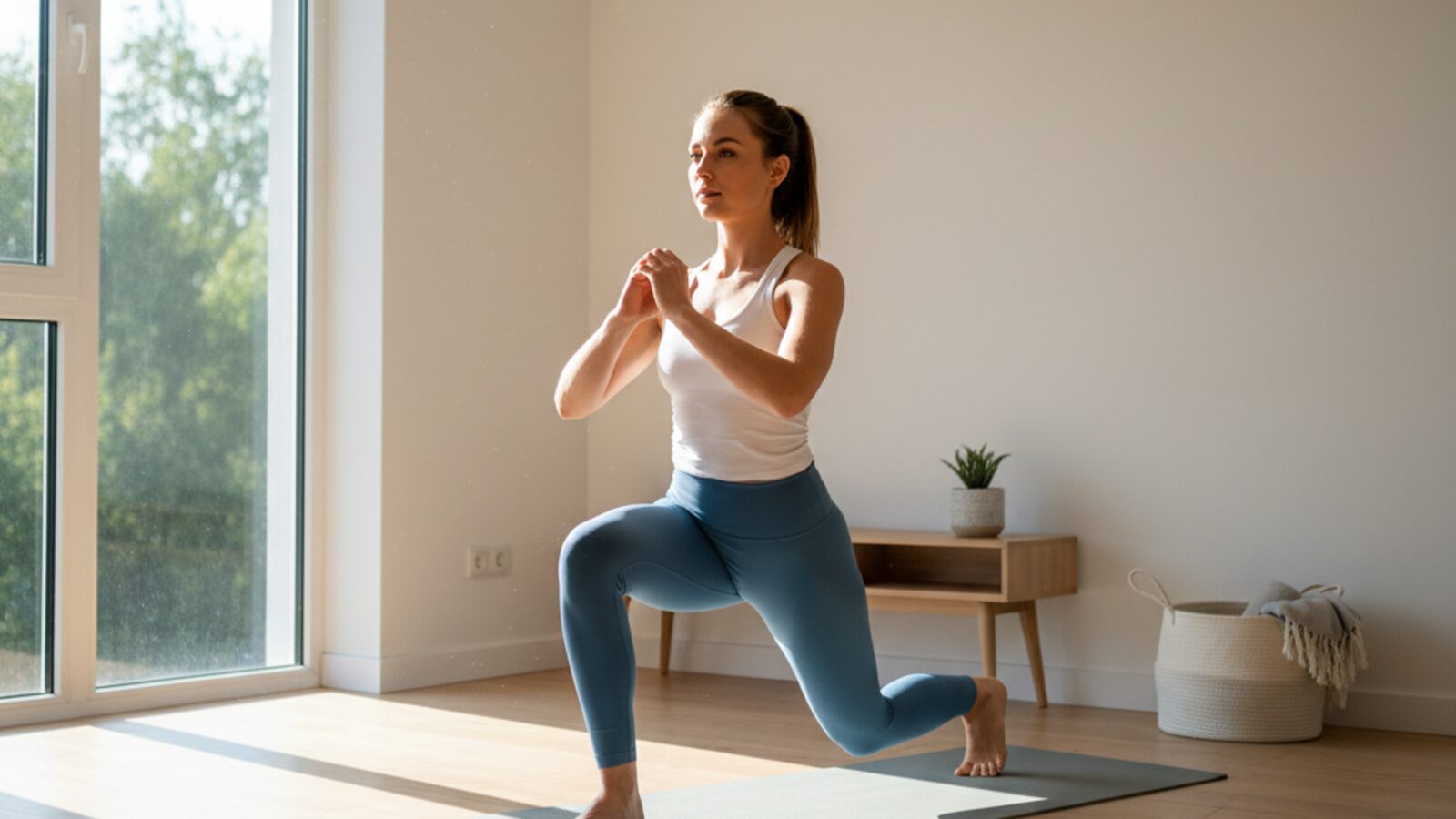
Home Workout Without Equipment: A 30-Minute Full-Body Plan
A balanced 30-minute home workout using nothing but your bodyweight, your breath, and the floor under your feet.
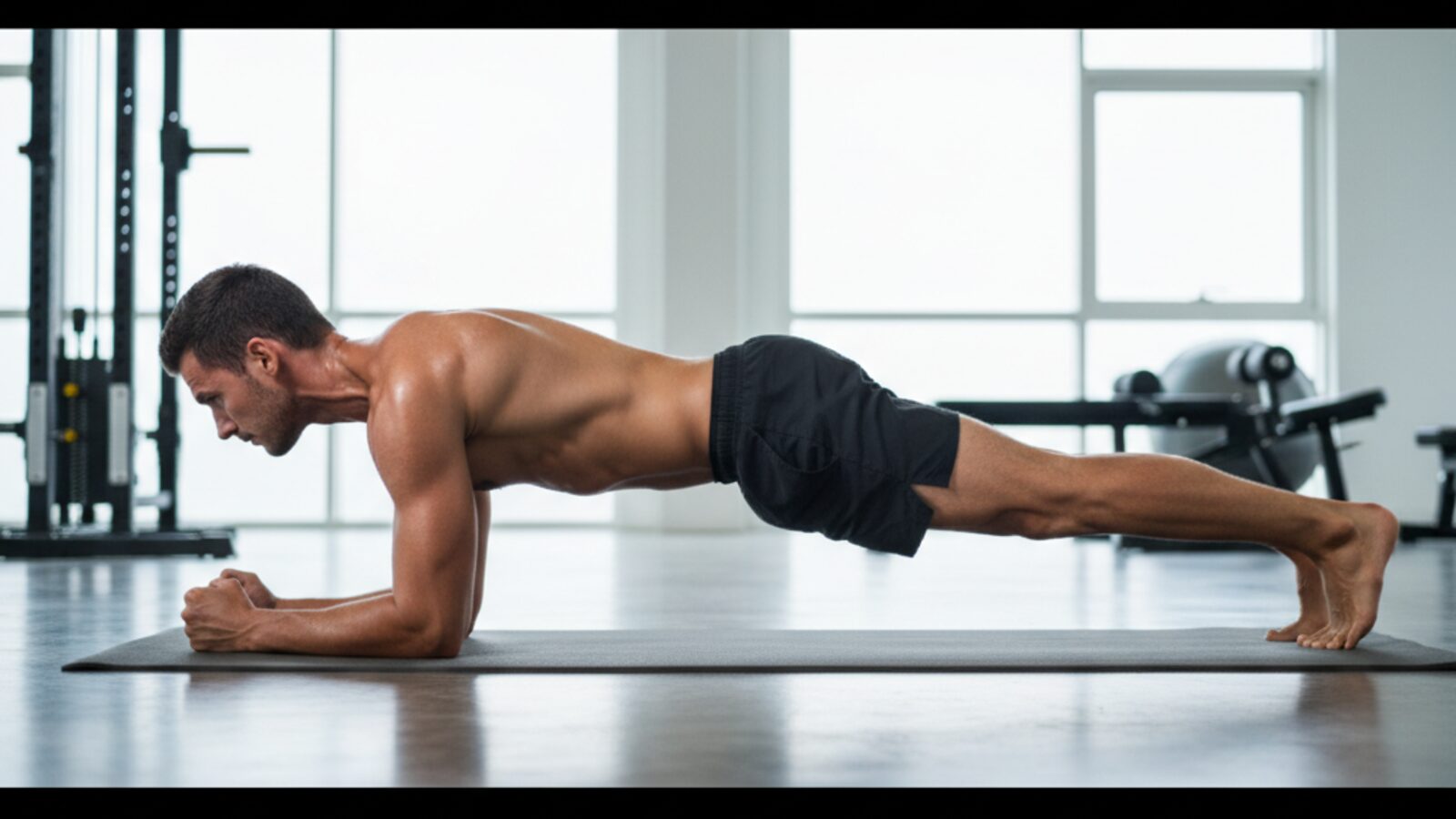
The 8 Best Exercises for Belly Fat (And the Truth About Spot Reduction)
The eight movements that build a strong core and burn calories — plus the honest truth about whether you can target belly fat.