Home Workout vs Gym Workout: Which Is Better for Beginners? (2026 Guide)
You want to get fit — but should you drive to the gym or roll out a mat at home? An honest, research-backed comparison for beginners in 2026.

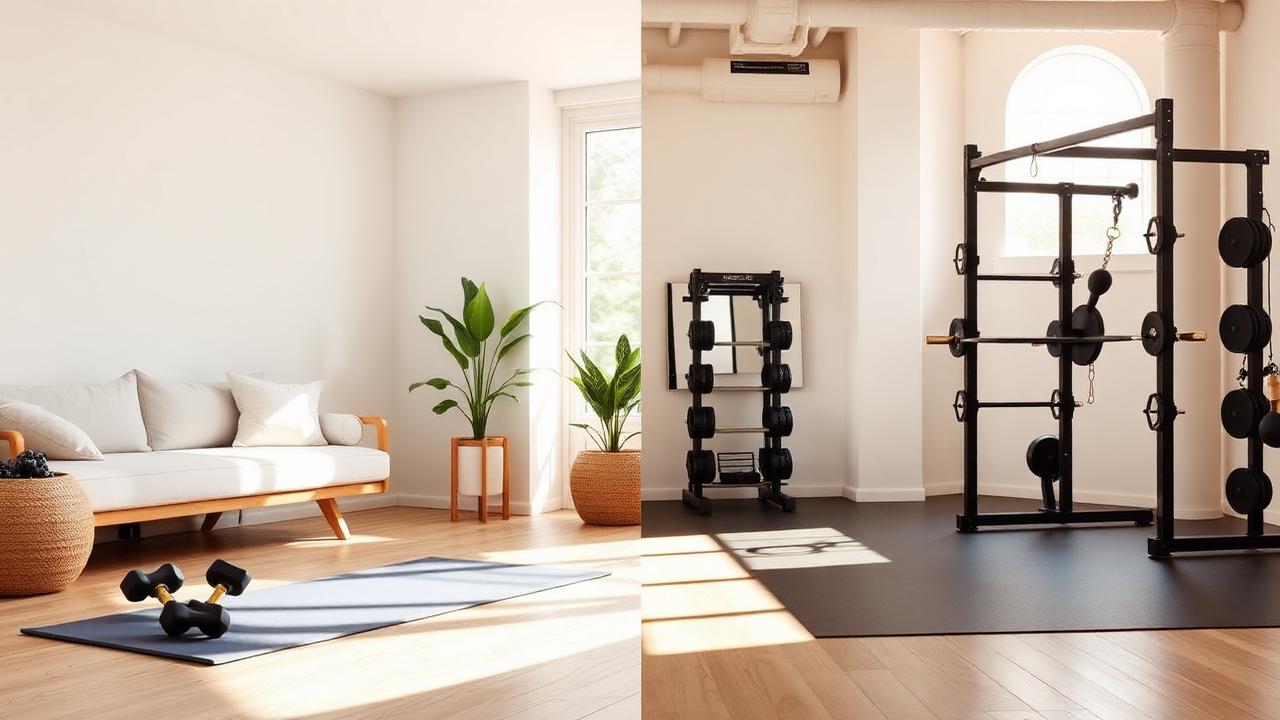
"I'll start the gym on Monday." Sound familiar? Most people never actually do. According to IHRSA, roughly 50% of new gym members quit within the first six months. Meanwhile, research keeps confirming what coaches have known quietly for years: where you train matters less than whether you actually train. But the two options are not equal in every situation — and this guide breaks down exactly which one is better for fat loss, muscle building, budget, motivation, and real-life logistics so you can stop guessing and start moving.
What Home and Gym Workouts Actually Mean
A home workout is any structured physical exercise performed outside a commercial fitness facility — in your living room, garden, rooftop, or garage — using bodyweight movements, resistance bands, dumbbells, or minimal equipment.
A gym workout is structured training performed at a commercial or community fitness centre with access to free weights, machines, group classes, and often personal trainers.
Some context worth holding on to: about 80% of adults globally don't meet the WHO's minimum exercise guidelines, the U.S. gym industry pulls in roughly $58B a year, and a 2022 Healthline survey found that 67% of people exercised more frequently after switching to home workouts. The NIH and CDC recommend just 150 minutes of moderate aerobic activity per week — barely 21 minutes a day.
A 2019 NIH study published in PLOS ONE found that home-based exercise produced similar improvements in cardiovascular fitness and body composition to gym-based programs over 12 weeks — when adherence was equal. That phrase, when adherence was equal, changes everything.
Why Beginners Struggle to Commit (in Both Settings)
Both options fail beginners for predictable, well-documented reasons. Understanding why helps you avoid the traps before they get you.
Why home workouts fall apart
There is no clear boundary between rest mode and workout mode at home. Phones, family and TV interrupt the flow. Without equipment variety, progressive overload stalls quickly. And when no one is watching, accountability drops fast — motivation peaks at 2–3 weeks, then crumbles.
Why gym memberships fail beginners
Gymtimidation from more experienced members is real. Even a 15-minute commute each way adds up to excuses. Not knowing how to use equipment leads to injury or embarrassment. A monthly fee starts to feel like a punishment when attendance drops, and rigid class schedules don't fit irregular work or family lives.
Signs You Chose the Wrong Option
If you recognise three or more of these signs, your current workout environment may be working against your goals — not toward them.
Signs your home workout isn't working: you plan to train daily but consistently skip 4+ days a week, you've done the same routine for two months with zero progress, you feel bored with no sense of community or challenge, or you're getting joint pain from poor form because nobody is there to correct you.
Signs the gym isn't the right fit right now: you've cancelled or skipped three or more consecutive weeks due to schedule or cost, you feel anxious every time you walk in, the commute consistently derails your plan, or the membership creates real financial stress.
The Science Behind Both Options
Fat loss is driven by a sustained caloric deficit — not by a gym membership. The Mayo Clinic confirms that any form of moderate to vigorous physical activity burns calories and contributes to fat loss when paired with appropriate nutrition. A well-structured home HIIT session can burn 400–600 calories per hour — comparable to many gym sessions. A 2021 review in Obesity Reviews found no statistically significant difference in fat loss outcomes between home-based and gym-based groups over 16 weeks once caloric intake was controlled. The gym doesn't burn fat. Consistency does.
Muscle building is where gyms hold a genuine edge — but only past the beginner stage. For the first 3–6 months, bodyweight training can produce substantial hypertrophy. The NIH's National Institute of Arthritis and Musculoskeletal and Skin Diseases notes that progressive overload — not the equipment itself — is the primary driver of muscle growth. Push-ups, pull-ups and squats build real muscle in a beginner. Once your bodyweight is no longer challenging, you need added resistance, and a gym (or a home setup with adjustable dumbbells and a pull-up bar) makes that easier.
Motivation psychology is the most underrated factor. Research in Health Psychology shows that social facilitation — simply being around others who are exercising — increases workout effort and duration. Gyms provide this passively. Home training requires you to manufacture motivation every day, which is a high cognitive load for beginners. On the other side, autonomy is a powerful predictor of long-term adherence in self-determination theory, and home training gives you total control of your schedule. It's not black and white.
Home vs Gym — The Master Comparison
Fat loss: equal if you stay consistent. Beginner muscle building (months 0–6): both are very effective. Intermediate muscle building: clear advantage to the gym. Motivation and accountability: gym, because it's social and structured. Convenience: home, no commute and available 24/7. Monthly cost: home (₹0–₹2,000 / $0–$25) easily beats a gym (₹1,500–₹5,000 / $20–$60). Equipment variety, form guidance and scalability: gym. Privacy and beginner injury risk: home, because lighter loads and no audience.
Either way, avoid the classic beginner mistakes: doing too much too soon, skipping warm-up and cooldown (the ACSM estimates this increases injury risk by up to 40%), repeating the same routine forever with no progressive overload, eating back every calorie you burn, comparing yourself to advanced gym-goers on Instagram, and winging it instead of tracking your workouts.
Budget Comparison (Realistic Numbers)
A home setup is mostly a one-time cost. Resistance bands run ₹800–₹1,500. Adjustable dumbbells are ₹3,000–₹8,000. A yoga mat is ₹600–₹1,200. A doorframe pull-up bar is ₹500–₹1,200. App or YouTube subscriptions are ₹0–₹800 per month. Year-one total: roughly ₹6,000–₹20,000.
A gym is recurring. A basic local gym is ₹800–₹1,500/month, a mid-range chain is ₹2,000–₹3,500/month, and a premium gym with pool and classes runs ₹4,000–₹8,000/month. A personal trainer is another ₹500–₹1,500 per session. Commute (petrol or auto) adds ₹1,000–₹3,000/month. Year-one total: ₹15,000–₹80,000.
Home wins on cost by a significant margin — especially in year two and beyond, when your setup is already paid for.
Morning Routine Comparison
A home morning at 5:30 looks like: wake and drink water, warm up in the living room by 5:45, full workout from 6:00 to 6:45, cooldown and shower at home, breakfast by 7:00, and at your desk by 7:30. Total time: about 60–75 minutes.
A gym morning at the same start time: wake and pack a gym bag, commute 15–30 minutes, arrive and change and warm up, main workout, cooldown and shower at the gym, then commute home or to the office. Total time: about 90–120 minutes.
The gym morning costs roughly 30–45 extra minutes per day. Over a year, that's 180–270 hours — time that matters if you have a demanding schedule.
A Beginner Weekly Plan That Works in Both Settings
Monday — lower body (35–45 min): home does squats, lunges, glute bridges; gym does leg press, squats, leg curl. Tuesday — upper-body push (35–45 min): home does push-ups, pike push-ups, dips; gym does bench press and shoulder press. Wednesday — active recovery (20–30 min): a 20-minute walk and stretching at home, or a light treadmill plus foam rolling at the gym.
Thursday — upper-body pull (35–45 min): home does band rows and door pull-ups; gym does lat pulldown and cable rows. Friday — core and cardio (30–40 min): home does planks, mountain climbers and HIIT; gym does cable crunches and a rowing machine. Saturday — full body (40–50 min): home does burpees, squat jumps and push-ups; gym does circuit training with free weights. Sunday — rest, with light yoga or a walk if you feel like it.
Realistic monthly expectations
Month 1: soreness, better energy, improved sleep, 0.5–1 kg fat loss, noticeable form improvement. Month 2: clothes fit slightly different, endurance up, 1–2 kg fat loss, 20–40% strength increase. Month 3: visible muscle definition begins, mood lift, 2–4 kg total fat loss, doubling of starting strength. Month 6: significant physique change, the habit feels automatic, 5–8 kg total fat loss, intermediate strength level.
Reality check: these numbers assume 4–5 workouts a week and a moderate caloric deficit of 300–500 calories per day. Without dietary changes, expect 50–60% of these results. That aligns with the Mayo Clinic's move more, eat less framework for sustainable fat loss.
Myths vs Facts
Myth: you can't build real muscle without gym machines. Fact: bodyweight training produces real hypertrophy in beginners — a 2017 NIH review confirmed progressive calisthenics is as effective as machine training for early-stage muscle growth.
Myth: sweating more at the gym means more fat burned. Fact: sweat is your body cooling itself; you can burn 500 calories in a cool room with minimal sweat. Myth: home workouts are only for lazy people. Fact: elite athletes — marathoners and combat-sport athletes — train extensively at home; location doesn't define effort.
Myth: gym workouts are too intense for beginners. Fact: every gym-goer was a beginner once, most gyms offer orientations, and starting on guided machines is safer for novices than free weights. Myth: you need 2 hours daily to see results. Fact: the NIH and WHO recommend just 150 minutes per week — about 21 minutes a day. Myth: the gym is always better because of the equipment. Fact: equipment access means nothing if you don't go. A 2020 Healthline survey found people who switched to home workouts trained more frequently than when they had gym access.
Who Should Avoid Each Option
Avoid home workouts if you need external structure and accountability, you live in a very small space, you're recovering from injury and need supervised rehab, you're serious about powerlifting or Olympic lifting, you struggle with self-motivation when no one is watching, or roommates and family constantly disrupt your sessions.
Avoid the gym if severe social anxiety or gymtimidation keeps you away, your schedule is irregular (shift work, parenting, travel), you genuinely can't afford the membership without financial strain, there's no decent gym within reasonable distance, you have a health condition that makes public spaces risky, or you've already quit gym memberships two or more times due to consistency problems.
Diet and Lifestyle — The 70–80% Most People Miss
Here's the uncomfortable truth: exercise alone accounts for roughly 20–30% of your body composition results. The remaining 70–80% is diet. This is consistently supported by research in the British Journal of Sports Medicine and referenced by the Mayo Clinic's weight-loss resources.
Non-negotiables regardless of where you train: protein intake of 1.6–2.2g per kg of bodyweight daily (NIH recommendation for active adults), 7–9 hours of sleep (muscle repair happens in deep sleep, not during the workout), 2.5–3.5 litres of water daily and more on training days, limited ultra-processed food, breakfast on training days (ACSM research shows it improves morning performance by 8–11%), and food tracking for at least the first 4 weeks — most beginners underestimate intake by 30–40%.
Healthline-aligned insight: a sustainable deficit of 300–500 calories/day — rather than crash dieting — produces the best long-term fat loss without muscle loss. Aggressive restriction triggers muscle breakdown, which slows metabolism.
When to See a Doctor Before Starting
The Mayo Clinic recommends consulting a physician before beginning any new exercise program if you have a pre-existing medical condition. This applies to both home and gym workouts.
Talk to a doctor first if you've been sedentary for more than a year, have a known heart condition, chest pain or palpitations, have Type 1 or Type 2 diabetes (exercise changes blood-sugar regulation significantly), have any joint condition such as arthritis or previous ligament tears or disc issues, are pregnant or recently postpartum, have a BMI over 35 (high-impact exercises can stress joints), or experience dizziness, shortness of breath or pain with light physical activity.
A physical exam and possibly a cardiac stress test may be recommended before moderate-to-vigorous exercise. This isn't alarmist — it's smart. Getting cleared by a doctor is often what separates people who exercise safely for decades from those who get hurt and quit.
Key Takeaways
- For most beginners in 2026, home workouts win on consistency, cost, and convenience.
- Gyms hold a real edge for heavy progressive overload, structure, and social motivation.
- Fat loss outcomes are virtually identical between home and gym when adherence and diet are equal.
- Diet drives 70–80% of body composition — exercise alone is only 20–30%.
- The best workout location is simply the one you'll actually do 3–5 times a week for the next six months.
Frequently Asked Questions
Can I actually lose weight working out at home with no equipment?
Yes. Bodyweight HIIT, yoga and calisthenics all create the caloric expenditure needed for fat loss. A 30-minute HIIT session at home burns roughly 300–400 calories depending on body weight. The key is intensity and consistency, not equipment.
How long before I see visible results from working out?
Most beginners notice energy improvements and reduced soreness within 2–3 weeks. Visible changes in muscle definition and body fat usually become noticeable to others around 8–12 weeks of consistent training and adjusted nutrition. Tape measurements and progress photos are more reliable than the scale early on.
Is it okay to do a hybrid — workout at home some days and the gym others?
Yes, and many trainers recommend it. Use the gym for strength-focused days when you need heavy load and structure, and home training for cardio, mobility or busy days. It also reduces the all-or-nothing mentality that causes most people to abandon a routine.
What is the minimum home equipment I actually need?
For most beginners: a resistance band set (₹800–₹1,500), a yoga mat (₹600–₹800), and a doorframe pull-up bar (₹500–₹1,000). That covers the first 3–4 months. Add adjustable dumbbells when bodyweight stops being challenging.
Is morning or evening exercise more effective?
Both produce equal results for fat loss and muscle building, according to a 2019 study in Current Biology. Morning workouts tend to support better habit formation; evenings tend to support slightly better strength and reaction time. The best time is the one you'll actually do.
Should I hire a personal trainer or follow YouTube workouts at home?
Even 4–6 sessions with a certified trainer is worthwhile for a complete beginner — it builds the form foundation that prevents injuries for years. After that, structured free programs from credible channels (Athlean-X, Sydney Cummings, Heather Robertson) are excellent guidance for home training.
Conclusion
For most beginners in 2026, home workouts win on consistency, cost, and convenience — but if you need structure, social energy, or heavy progressive overload, the gym is worth every rupee. The data from the NIH, Mayo Clinic and multiple peer-reviewed journals all say the same thing: the location of your workout matters far less than the frequency, intensity, and progression of your training combined with your diet. Pick one. Commit to 90 days. Then adjust based on real results — not Instagram aesthetics or gym culture pressure. Your body just responds to stress, recovery and nutrition. Give it those three things consistently, and the results will follow.
Sources & Further Reading
More on Fitness & Workouts
- → Building Functional Strength: Why Compound Movements Matter
- → HIIT vs Steady-State Cardio: Which One Works Best for Endurance?
- → The Best Morning Workout Routine at Home (20 Minutes, No Equipment)
You may also like
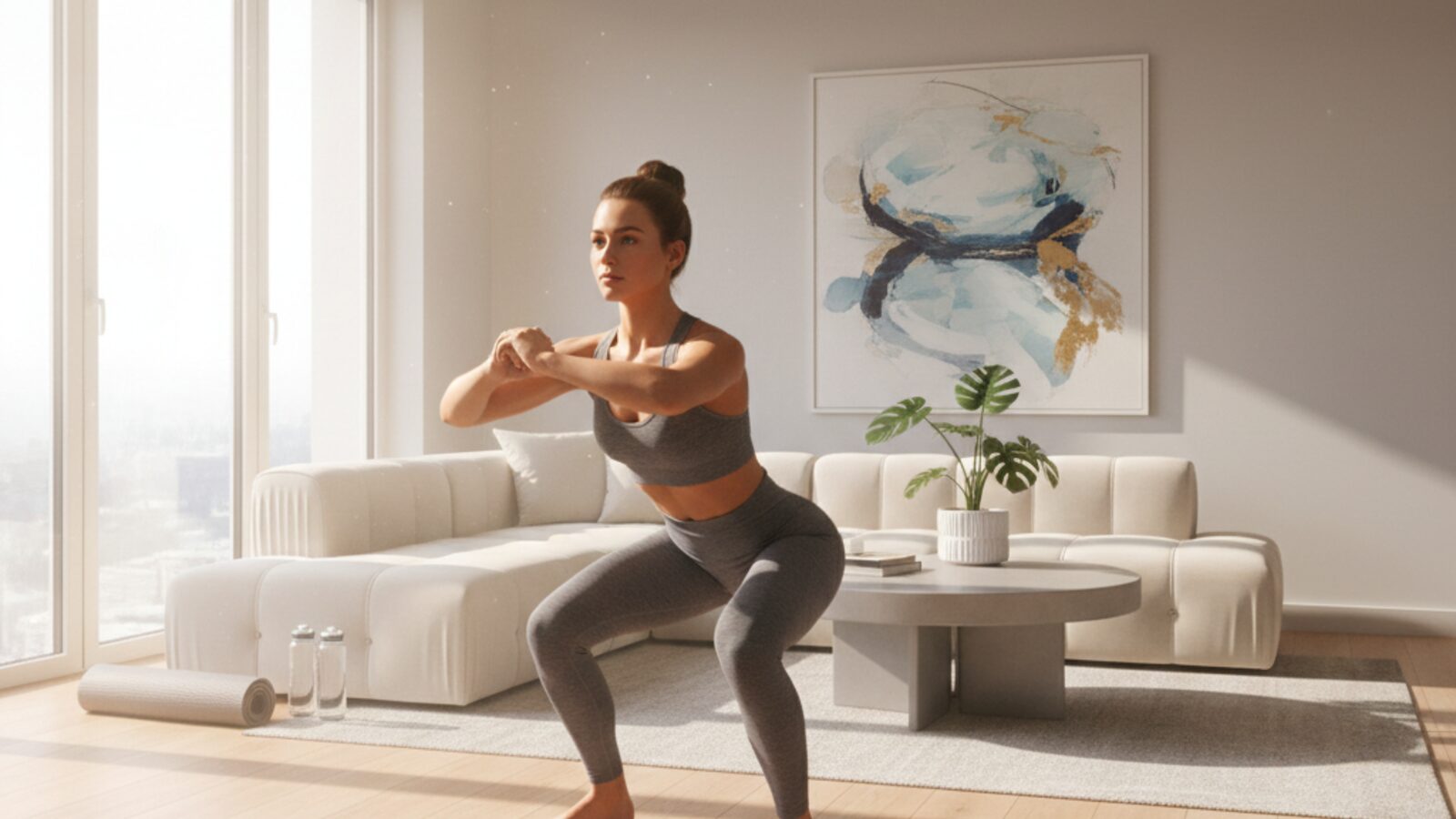
The Best Morning Workout Routine at Home (20 Minutes, No Equipment)
A complete 20-minute morning routine you can do beside your bed — mobility, strength, and a short cardio finisher to set up the rest of your day.
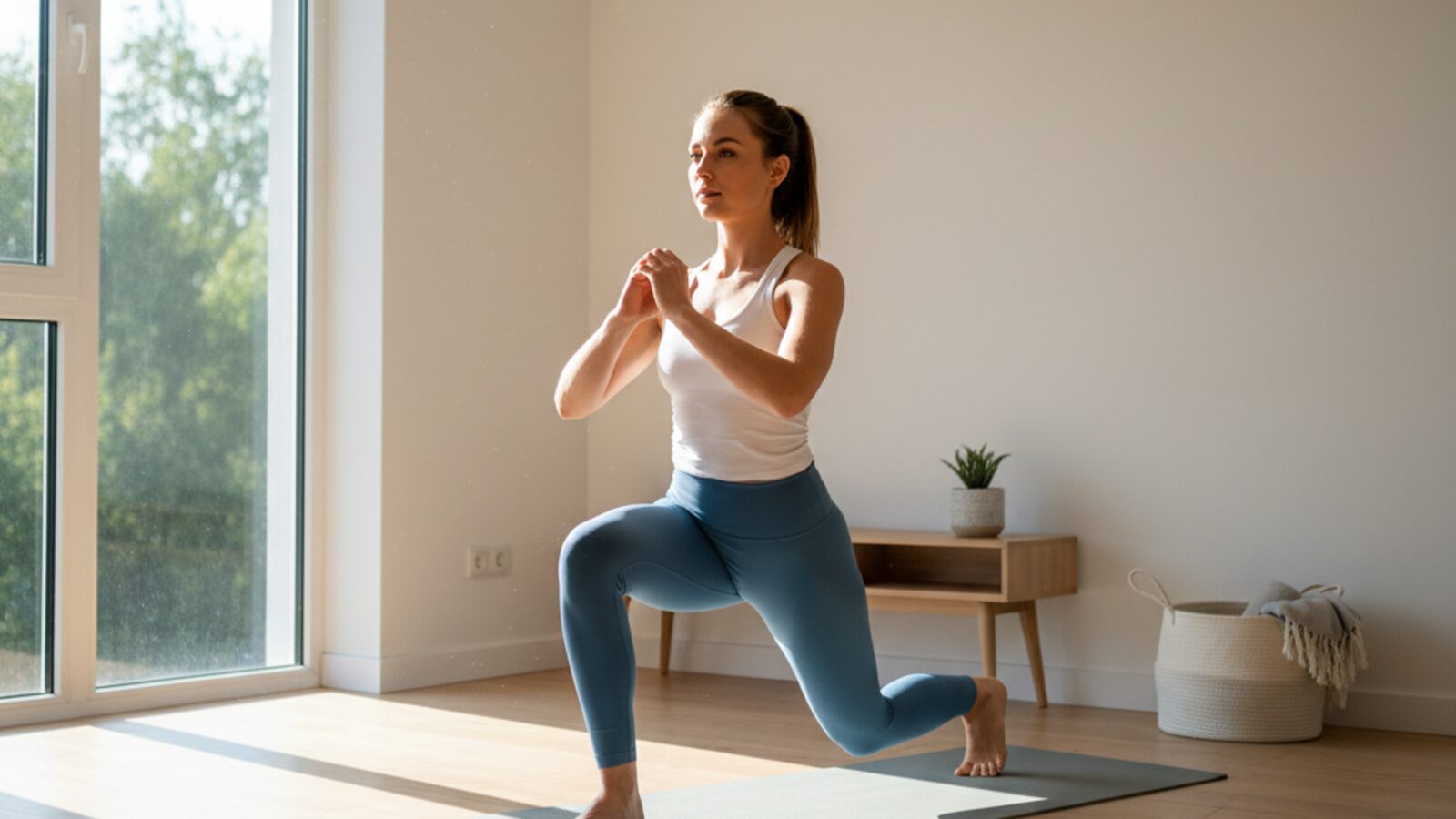
Home Workout Without Equipment: A 30-Minute Full-Body Plan
A balanced 30-minute home workout using nothing but your bodyweight, your breath, and the floor under your feet.
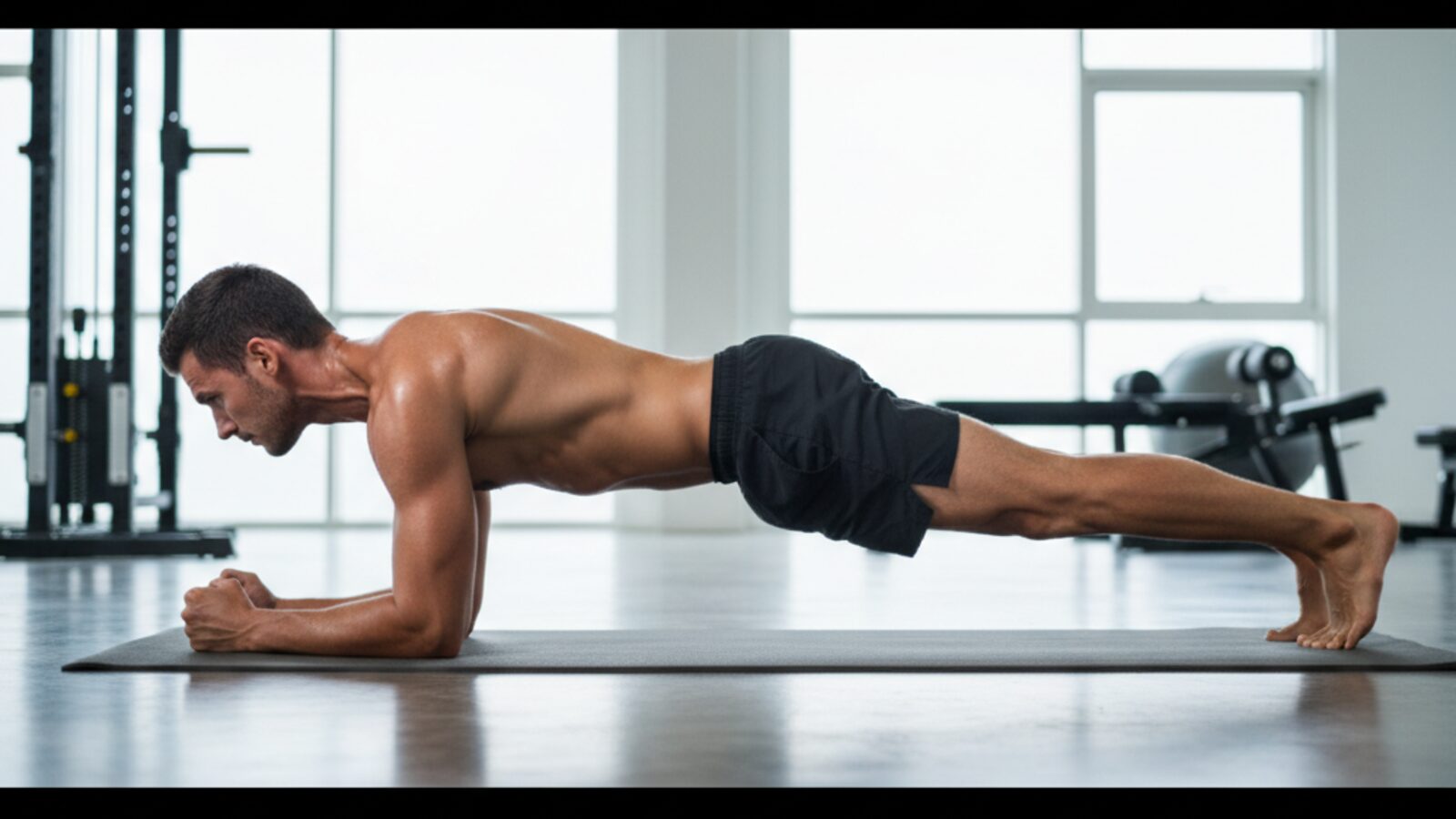
The 8 Best Exercises for Belly Fat (And the Truth About Spot Reduction)
The eight movements that build a strong core and burn calories — plus the honest truth about whether you can target belly fat.